  1. Home
  2. Phones
  3. News

Apple’s anonymous email feature isn’t nearly as anonymous as you might think

Apple's Hide My Email feature is great, but don't expect it to save you from cops

Add as a preferred source on Google
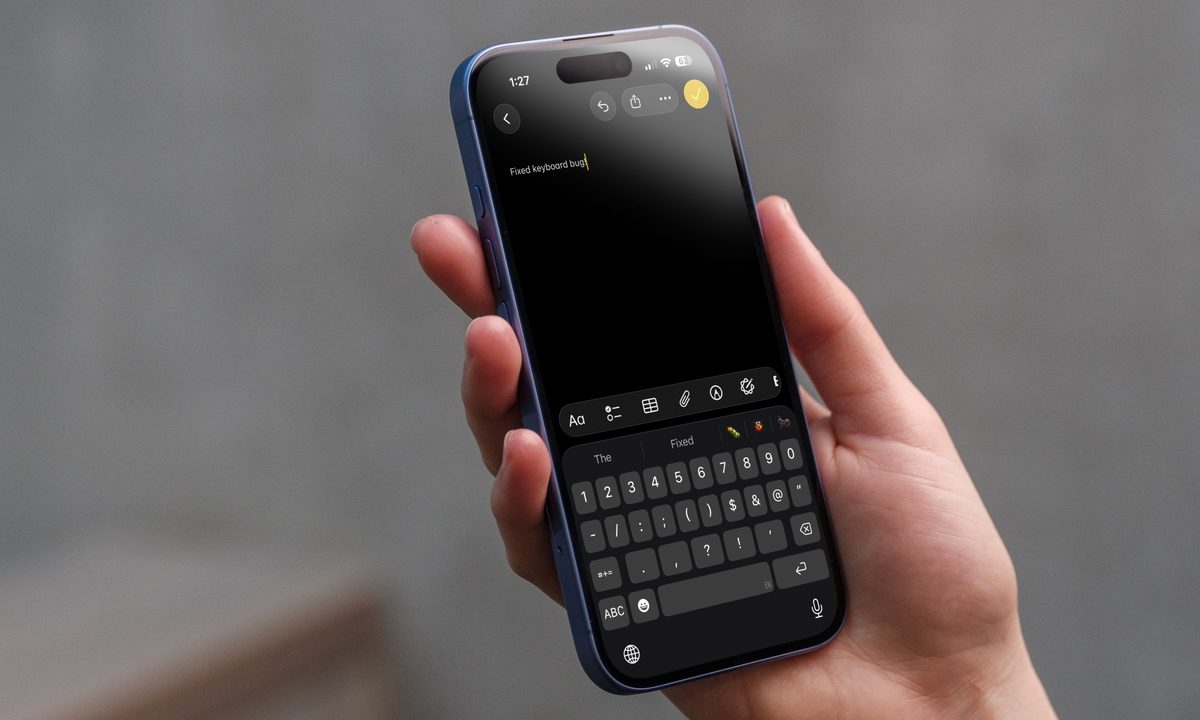
iPhone in hand showing notes app
Rachit Agarwal / Digital Trends

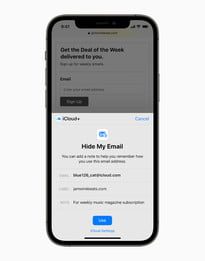
Apple’s Hide My Email feature has always been a pretty good quality-of-life privacy tool. iCloud+ subscribers can access randomly generated email addresses that forward messages to their real inbox. This helps users avoid any apps or websites from seeing their actual address. Apple also states that it doesn’t read the forwarded messages either.

All of this makes it quite a handy tool that genuinely cuts down on spam, creating a distance between you and whatever sketchy service wants your email.

Recommended Videos

But what it apparently does not do is hide your identity from law enforcement.

What’s going on?
According to court documents seen by TechCrunch, Apple provided federal agents with the real identities of at least two customers who had used Hide My Email addresses. One case in particular had the FBI seek records in an investigation that involved an email allegedly threatening Alexis Wilkins, who has been publicly reported as the girlfriend of FBI director Kash Patel.

The affidavit cited in the report states that Apple identified the anonymized address as being associated with the target Apple account. The company even provided the account holder’s full name and email address, along with records of another 134 anonymized email accounts created through this privacy feature.

TechCrunch also says it reviewed a second search warrant tied to an investigation by Homeland Security, where Apple again provided information linking Hide My Email accounts back to a user.
Why does this concern you

Before anyone starts calling out Apple for breaching privacy, they should know the distinction between companies and official warrants. Hide My Email is designed to protect users from apps, websites, and marketers, not from legal requests.

Apple still stores customer data like names, addresses, billing details, and other unencrypted info, which can be handed over when authorities come knocking with the right paperwork. So an email is a weak point here. Most emails are still not end-to-end encrypted, which means it is fundamentally different from services like Signal, whose popularity has grown precisely because of their robust privacy model.


Vikhyaat Vivek
Vikhyaat Vivek is a tech journalist and reviewer with seven years of experience covering consumer hardware, with a focus on…
Android 17 is about to make gaming on foldables way better
Person, Computer Hardware, Electronics

Google is giving mobile gamers a few new reasons to pay attention to Android 17. The next version of Android introduces features aimed squarely at gaming, with foldable phones among the biggest beneficiaries.

Among the highlights is a new foldable gaming mode that finally puts those larger displays to better use. Instead of stretching games across the entire screen and covering parts of the action with touch controls, Android 17 introduces a smarter layout designed specifically for gaming.

Read more
Google releases Android 17 for Pixel phones
Gemini Intelligence arrives later this year for selected devices.
Electronics, Mobile Phone, Phone

After months of rumors and two keynote events in May 2026, Google has finally released Android 17, the stable version. It's rolling out to eligible Pixel devices today, including models in the Pixel 6 lineup, all the way to the latest Pixel 10 series.

The stable build contains plenty of features showcased at The Android Show and Google I/O, but if you were hoping to get your hands on Gemini Intelligence, that will ship later this summer to “select advanced devices.” With that out of the way, here’s what Android 17 offers at launch.

Read more
Commodore’s flip phone runs Android apps, but it’s the retro looks that’ll convince you to get one
The Callback 8020 wants to be the smarter dumb phone, with modern apps, privacy-first software, and a proper snap-shut design.
Computer Hardware, Electronics, Hardware

Commodore is bringing back the flip phone for people who want fewer screen traps without giving up every useful app. The Commodore Callback 8020 uses a custom Sailfish OS build and supports many Android apps through Linux, which gives it more range than a typical minimalist handset.

The retro look does a lot of the selling. You get a clamshell body, T9-style texting, a small front status display, dome LED notifications, and color options that echo old Commodore hardware more than modern glass-slab phones.

Read more