
What’s happened? For about five years now, we’ve been waiting for Apple to release its first foldable, with new rumors showing up about its design (and delay) every now and then. The latest piece of information comes from a reliable industry analyst.
- According to renowned analyst Jeff Pu (via 9To5Mac), Apple’s first foldable smartphone, expected to debut in 2026, will feature a combination of titanium and aluminum alloys.
- So far, rumors have claimed that Apple’s debut foldable phone will either go with titanium, or stick with a stainless steel chassis.
Why is this important? Apple has retired titanium from its Pro models in the iPhone 17 lineup but retained the material on the iPhone Air. Titanium, despite being a more premium choice, also raised heating issues on iPhones, an issue that was widely reported by users. When Apple introduced the iPhone 17 Pro, which ditches titanium, the company highlighted the superior heat dissipation properties of aluminum on its flagship.
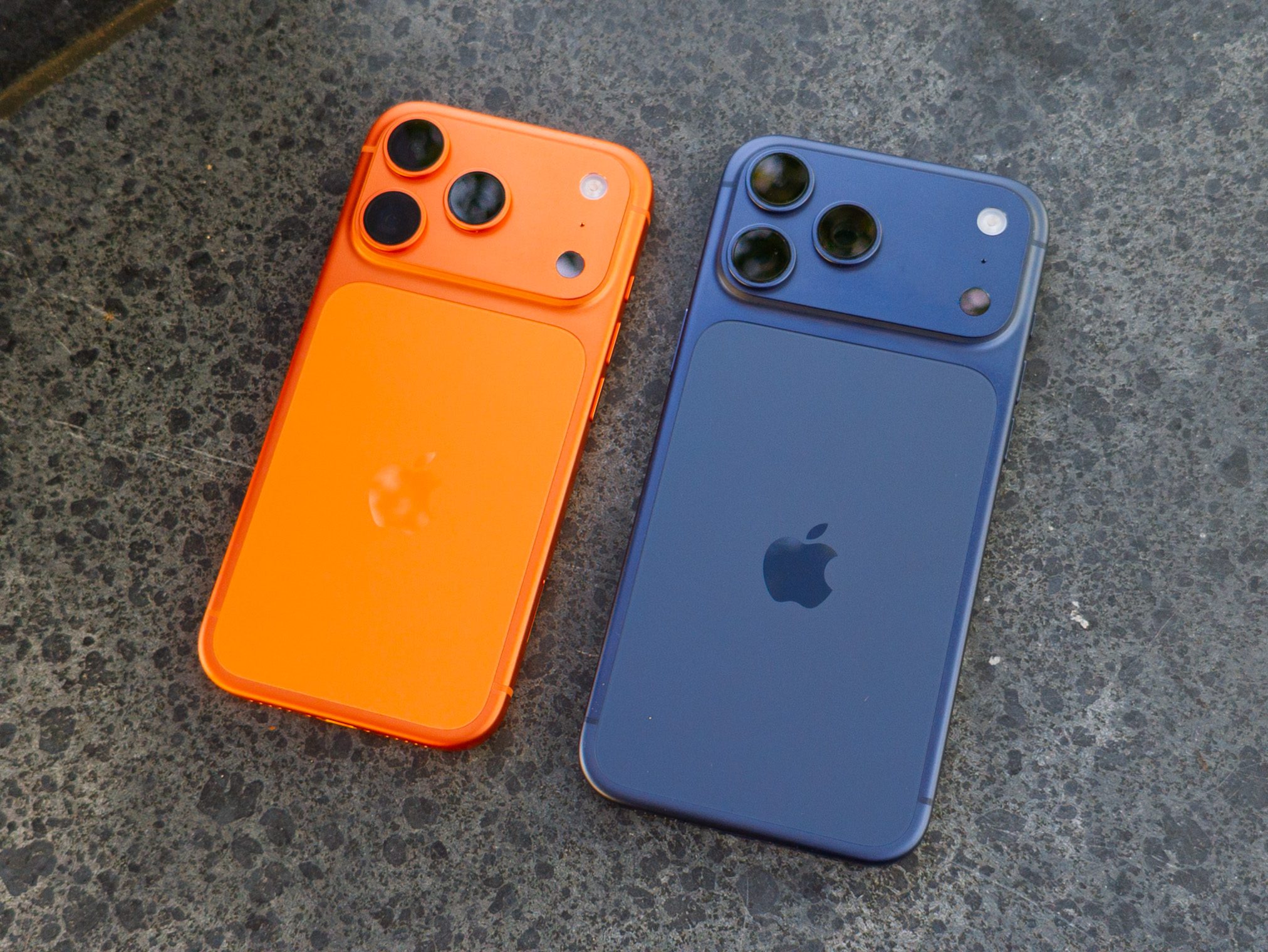
- Apple’s first foldable is rumored to be slim when unfolded (about 4.5 mm) — thinner than the iPhone Air (5.64 mm).
- Using titanium on the foldable will ensure that it is structurally strong and resistant to bending (especially in the high-stress areas like the hinge and the frame).
- On the other hand, aluminum will help with heat dissipation and keep the iPhone cooler (maintaining optimal performance).
Why should I care? Recent bend tests of the iPhone Air have demonstrated how the titanium used in the frame can withstand high pressure.

- As a result, Apple already has a successful material choice at its disposal, but it will come at a cost, which will be passed down to you.
- However, it would make the foldable less prone to issues like bending and fragile hinges, offering better longevity.
OK, what’s next? Apple is expected to unveil the foldable iPhone at the September 2026 launch, alongside the iPhone 18 Pro models.
- It will compete directly with Samsung’s Galaxy Z Fold 7 (and its successor), which measures 4.2 mm when unfolded and weighs 215 grams.
- If successful, the titanium and aluminum or stainless steel combination could set a new benchmark in foldable durability, encouraging other manufacturers to adopt it.