  1. Home
  2. Phones
  3. News

Digital Trends may earn a commission when you buy through links on our site. Why trust us?

Apple’s iPhone 20 may finally ditch the design we’ve known for years

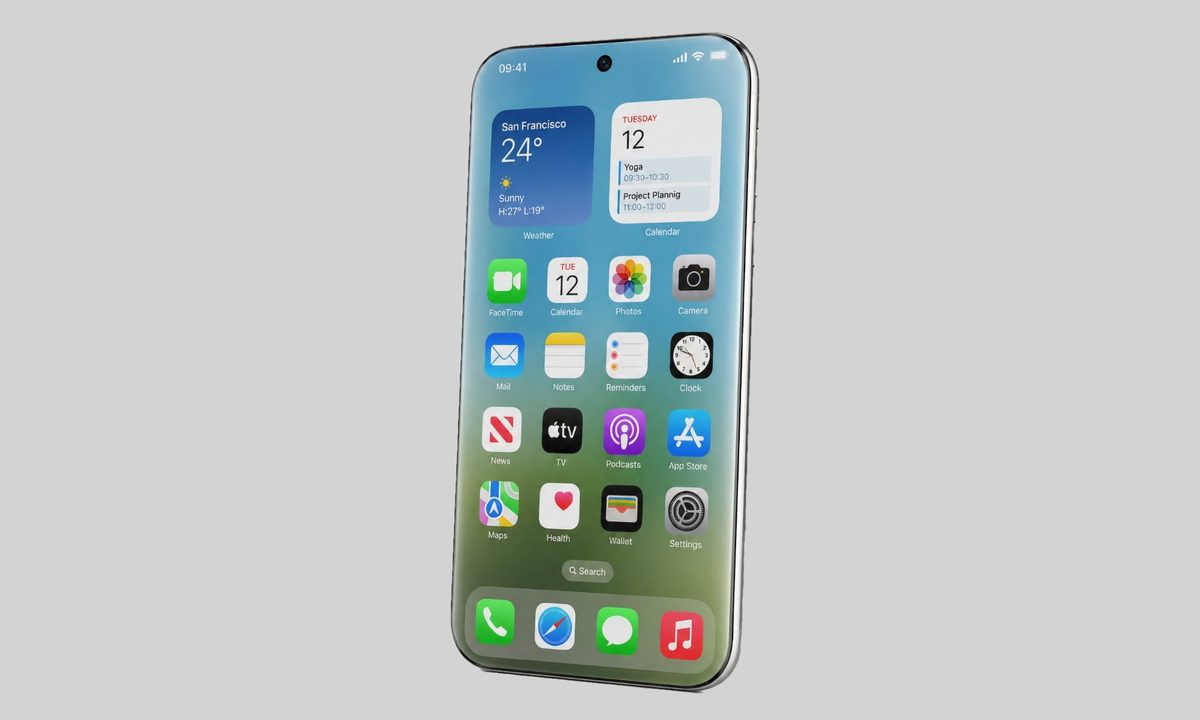
Apple’s 20th anniversary iPhone could go full glass, lose the buttons, and make today’s iPhones look instantly old

Add as a preferred source on Google
iPhone 2027 mockup
Ice Universe / X

The iPhone’s journey began in 2007 by changing the smartphone market forever, replacing physical keyboards with a 3.5-inch multi-touch display. Now, as the device moves toward its 20th anniversary, Apple may be preparing for another major design shift, a seamless, completely buttonless iPhone.

Is Apple planning its biggest iPhone redesign in years?

Bloomberg’s Mark Gurman has added fresh weight to the iPhone 20 redesign rumors. In the Q&A section of his Power On newsletter, Gurman said Apple’s 20th-anniversary iPhone overhaul is internally referred to by some as “Glasswing,” a name inspired by the glasswing butterfly and its transparent wings.
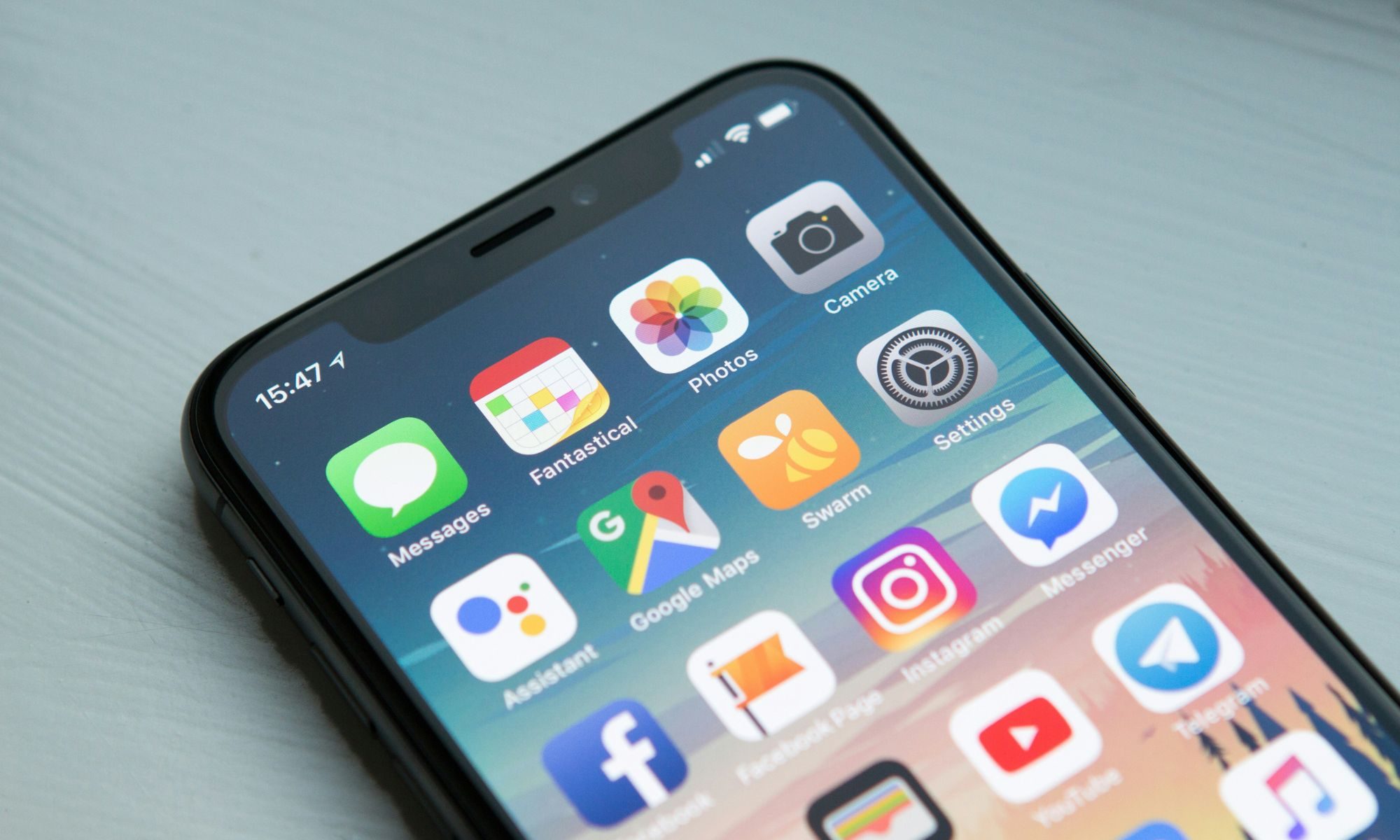
According to Gurman, the design includes glass edges that curve smoothly into the display on all four sides. Gurman also said Apple’s Liquid Glass interface is being shaped around this hardware direction, with the software designed to visually blend into the iPhone’s glass-heavy body. The idea appears to be a tighter connection between the device and the operating system.

Recommended Videos

Previous reporting has also pointed to Apple exploring a return to curved-screen styling. The design may aim for a seamless visual effect rather than bringing back the sharply sloped waterfall displays seen on some older Android phones.

Could the iPhone 18 start the shift earlier?

The buttonless part of the story comes from an earlier Weibo leak by Chinese tipster Instant Digital from October 2025. The tipster claimed Apple’s solid-state button plan had completed functional verification and was being prepared for mass production on the 2027 iPhone 20.
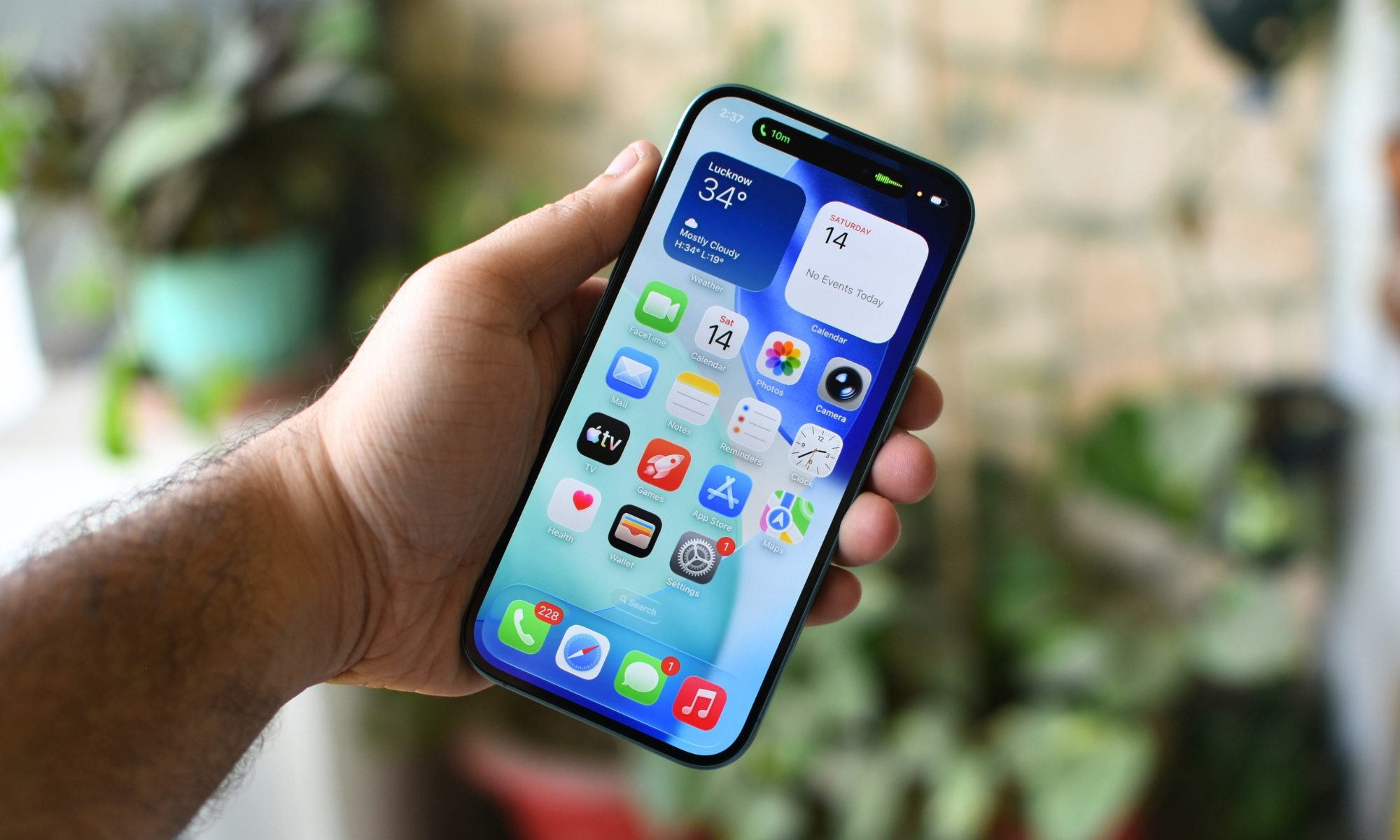
According to that leak, the power button, volume buttons, Action button, and Camera Control button could all move to solid-state controls with localized vibration feedback. That would allow the iPhone to simulate a physical click without using traditional moving buttons.

Instant Digital also claimed Apple may begin the transition earlier with the iPhone 18. The Camera Control button is said to get a simpler structure by removing the capacitive sensing layer and keeping pressure recognition.

Ming-Chi Kuo had previously reported that Apple was working on solid-state power and volume buttons for the iPhone 15 Pro. However, the feature was later shelved due to technical and manufacturing issues. If Apple has managed to fix those issues, the iPhone 20 might finally be the one to go fully buttonless.

Sudhanshu Kumar Mangalam
I’ve got about 4 years of experience, mostly covering gaming, PC hardware, and smartphones. In my free time, I like…
Google is adopting a new framework to stop shady Android apps from raising hell
Android’s next security trick is a public record for official apps
iPhone screen showing a folder with all of the Google apps.

Android security is getting another layer of accountability, and it's aimed squarely at a problem that digital signatures can't solve. Google has announced that it is expanding Binary Transparency across the Android ecosystem. Starting with the production of Google apps for Android and Mainline modules, the company will log official releases on a public append-only ledger, which should make it easier to verify whether the software running on a device is the exact version Google intended to release.

Why digital signatures no longer cut it

Read more
I tested the Xiaomi 17 Ultra’s camera and I don’t think I’ll ever go back to an iPhone
In a "Galaxy" of slow innovation and complacency, the famed "Apple copycat" is setting a high standard for everyone.
Xiaomi 17 Ultra

When it comes to flagship phones, the word “Ultra” has started to lose meaning. Every brand throws it around, but very few actually deliver something that feels… ultra. Take the Samsung Galaxy S26 Ultra, for instance. It’s a solid phone, sure, but exciting? Not quite. And that’s the bigger issue with the US market right now. Some of the most interesting Android flagships simply don’t make it here.

Meanwhile, brands like Vivo, Oppo, and Honor are quietly pushing smartphone cameras into territory that feels closer to dedicated cameras than ever before. And then there’s the Xiaomi 17 Ultra. After using it for a couple of weeks, one thing is clear: this isn’t just a phone with a great camera. It’s a camera that happens to be a phone. And honestly, it kind of feels like a modern-day revival of the Samsung Galaxy Camera.

Read more
Razr Fold vs. Galaxy Z Fold 7: I’m cautiously impressed by what Motorola’s first foldable offers while saving $300
More battery, better cameras, lower price, and everything still to prove. That's Motorola's opening move in Samsung's territory.
Motorola Razr Fold vs. Galaxy Z Fold 7 comparison.

You’ve made up your mind to spend top dollar on a book-style foldable that provides you with a big-screen experience but folds in half when you want to carry it around. Sounds fantastic, right? Well, here’s something worth sitting with: the Galaxy Z Fold 7 (256GB), from July 2025, still retails for $1,999, while the just-announced Moto Razr Fold (512GB) costs $1,899.

How did Motorola do that? Did it make any compromises in undercutting the Fold 7 by $100 and still offering twice the storage? Well, there are a couple of papercuts that might not sit well with you, particularly if you base your buying decision on the spec sheet. A better approach, in my opinion, is to look past that and focus on how you'll actually use the device.

Read more