
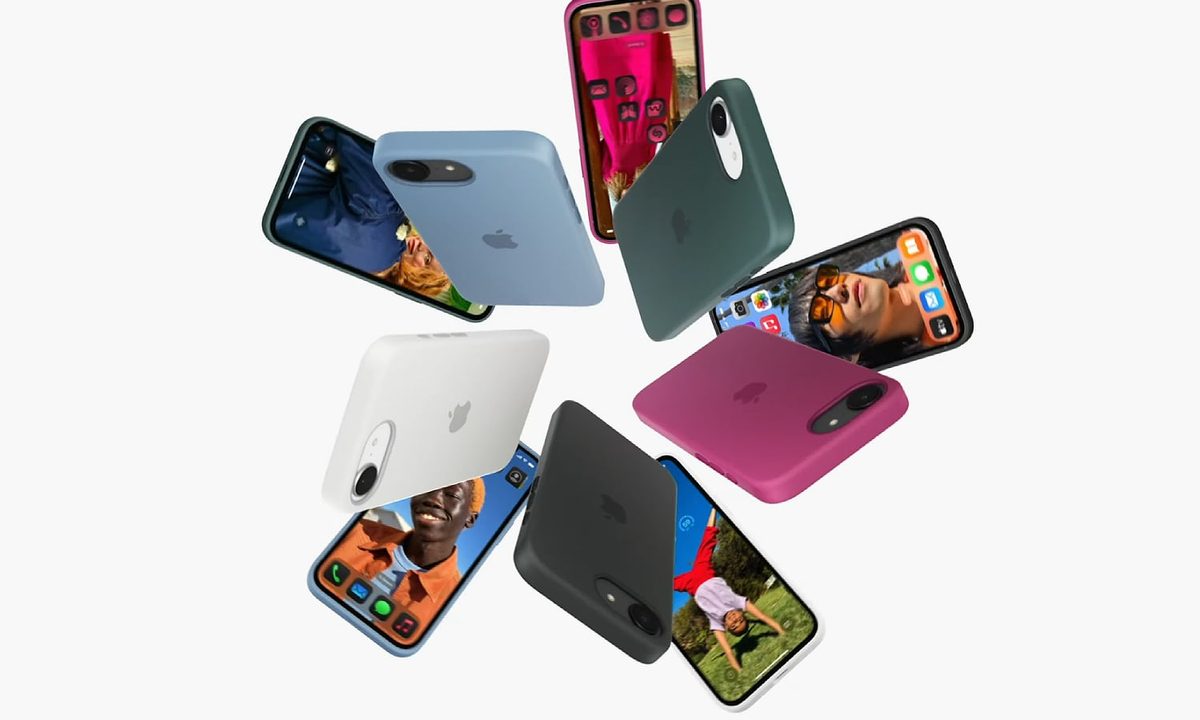
Apple has unveiled the all-new iPhone 16e, a new $599 replacement for the iPhone SE line. The spiritual successor to the iPhone SE introduces several changes to the iPhone SE, including an OLED panel and Face ID, while jettisoning the Touch ID Home button and more prominent bezels.
Apple has long resisted certain hardware trends in the smartphone industry, and one of the most consistent omissions in its devices is expandable storage. Whether you’re considering a high-end iPhone or an entry-level model like the iPhone SE, your storage options consistently remain limited to what Apple provides out of the box. So, does the iPhone 16e break this trend and offer a microSD card slot?
Is there a microSD slot in the iPhone 16e?
If you were hoping to expand the storage of the iPhone 16e with a microSD card, you’re out of luck. Just like every iPhone before it, the iPhone 16e does not include a microSD card slot. Apple has never included expandable storage in any of its smartphones, and the iPhone 16e is no exception.
Instead, Apple offers its usual range of storage options, starting at 128GB for $599, with 256FB and 512GB options for $699 and $899 for those who need more space. If you tend to store a lot of photos, videos, and apps, you’ll need to choose a model with enough storage at the time of purchase, as there’s no way to add more later.
Why doesn’t Apple include a microSD card slot?
There are a few reasons Apple has never embraced microSD cards. First, Apple prefers to keep tight control over its hardware and software experiences. Limiting your storage to the various internal options available means Apple can ensure consistent performance without having to worry about the potential speed and reliability issues that can come with third-party microSD cards.
Another reason is Apple’s emphasis on iCloud and its ecosystem. The company encourages iPhone users to use its cloud storage service, iCloud, to store files, photos, and backups rather than expanding physical storage. This is a great way to keep users relying on Apple’s services and it also means potentially buying another iPhone later for more space.
What about iCloud storage?
If you’re concerned about running out of storage on your iPhone 16e, Apple’s iCloud offers ways to expand it for a fee each month, depending on how much you need. Plus, there are ways you can save space by doing a bit of housekeeping. With iCloud Photos, enabling the Optimize iPhone Storage feature means that only smaller, space-saving versions of your images and videos are stored on your device. The full-resolution originals are safely kept in iCloud and can be accessed whenever you need them with a tap, so you in turn save yourself a bit of time and money.
For the rest of your files, iCloud Drive lets you store things in the cloud, which means less on-device clutter. Apple’s cloud storage system also supports offloading unused apps, so you can take them off of your phone while keeping your personal data. If you need an offloaded app again, reinstalling it restores all associated information so you can free up space without losing all the important data attached to it.


