
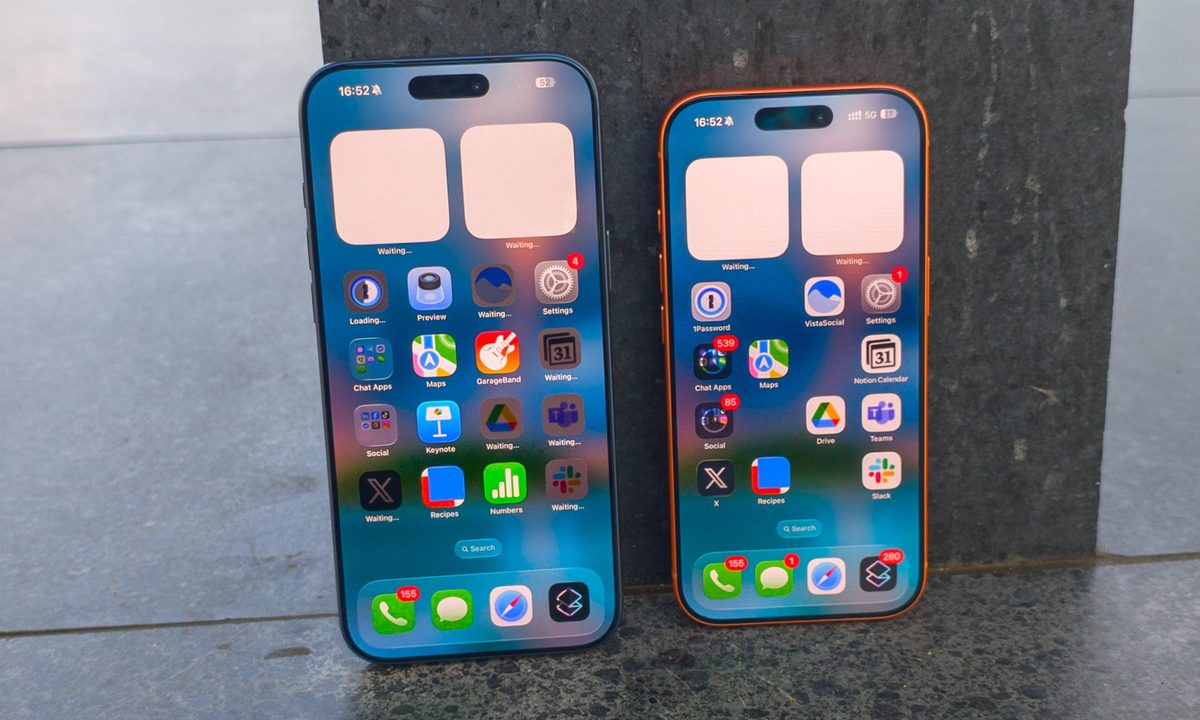
The eyes of Apple fans are always looking forward, and the iPhone 18 is the next family of flagship Apple smartphones that we’re expecting to see. With the the iPhone 17 series four months old, and getting older by the day, it’s time to start thinking about the refresh.
Almost immediately upon the release of the iPhone 17, leaks and rumors about the iPhone 18 family began to hit the web, This 2026 group of mobiles could, according to rumors, have some new features and some big design changes (literally, in the latter case). Wider rumors point to a new-form contender for the best iPhones crown, though possibly the disappearance of another iPhone entry.
We’re soon to meet the competition, too, with the Samsung Galaxy S26 series likely to hit the market in the first few months of the year. Will its features have the iPhone 18 models beat, or will Apple bring additions that win over fans? It’s hard to say for now, but the number of leaks we’ve heard paint a glorious picture.
It’s going to look, well, familiar
So far, all the credible leaks have pointed to the iPhone 18 series having same fundamental design language as the iPhone 17 series, save for a few minor cosmetic tweaks. According to Digital Chat Station on the Chinese microblogging site Weibo, the iPhone 18 Pro will look the same as its predecessor. Apple likes to keep each design iteration going for at least a few generations, so it makes sense.
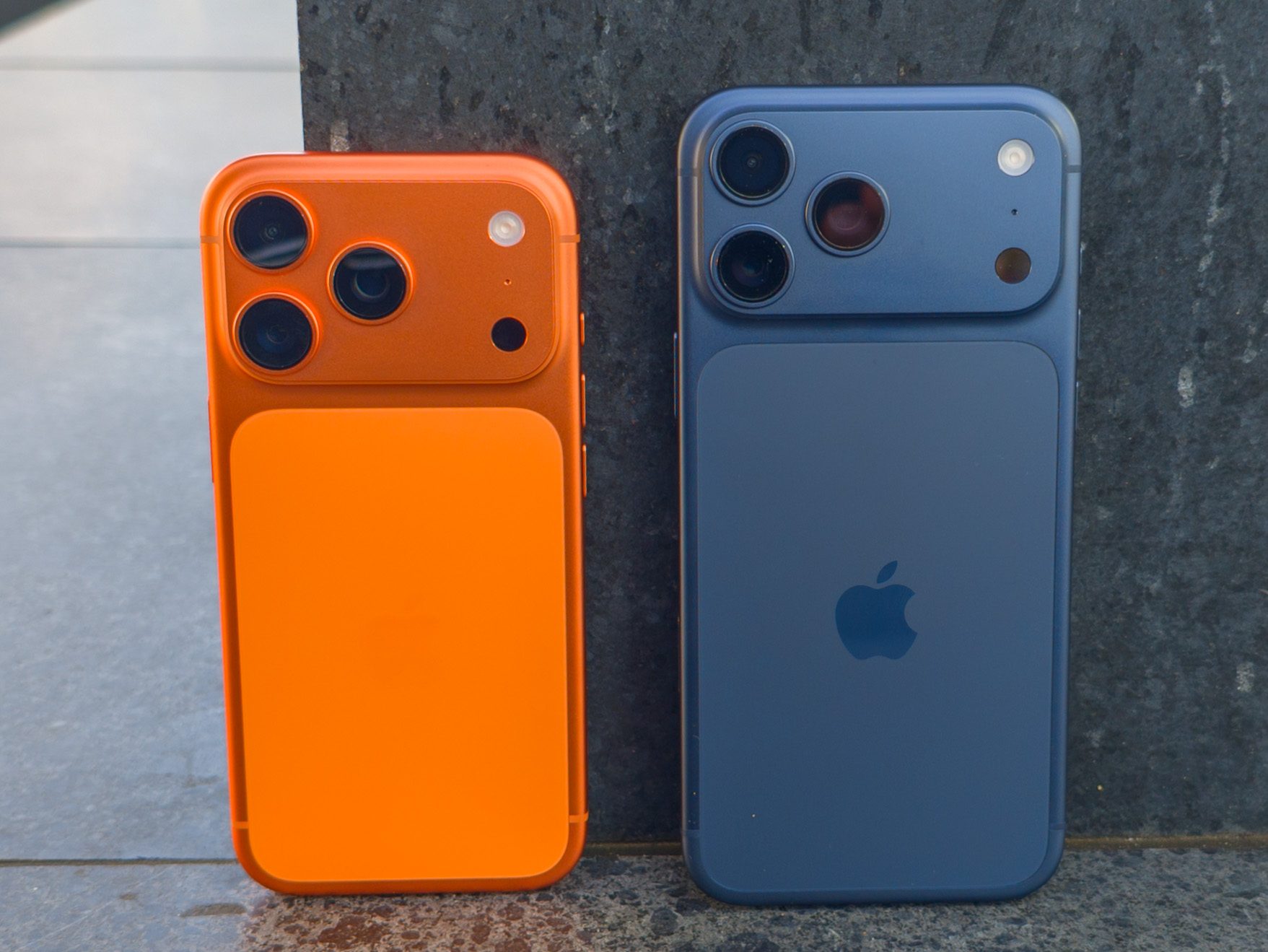
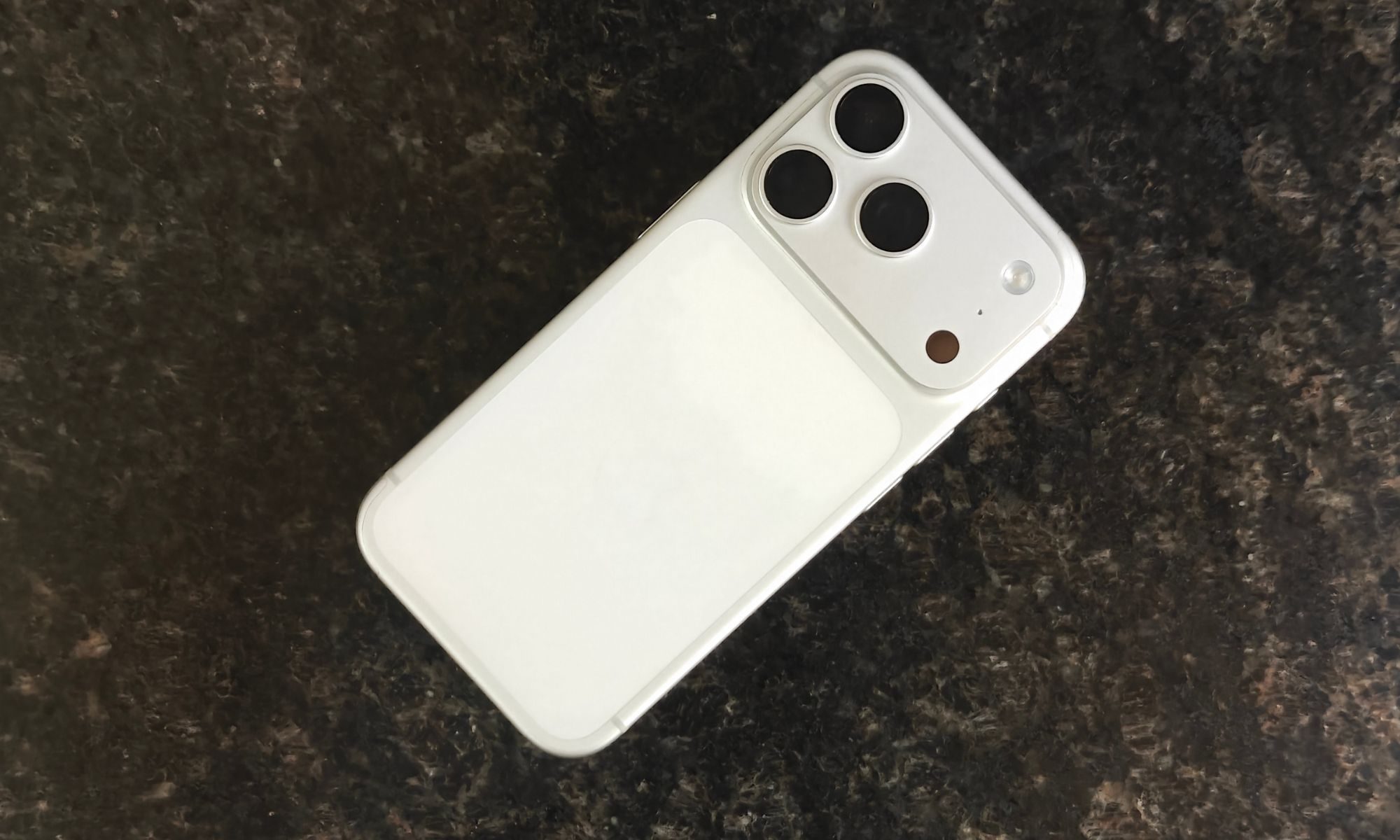
But there could still be a bit of a difference. The leaker notes that the plastic portion at the back, underneath the camera hump, will be slightly translucent. On the iPhone 17 Pro, it’s opaque and matches the color of the rest of the body. On the silver version, we have a white block of plastic sitting atop the wireless charging coil. It isn’t clear if the switch to a slightly see-through material is simply an aesthetic choice or if it will bring any practical benefits.
Talking about cosmetic changes, it seems Apple will experiment with some bright shades next year. According to leakster Instant Digital on Weibo, the iPhone 18 Pro will likely come in three new shades: coffee, purple, and burgundy. The leaker, however, warns that only one of these colors could make the final cut. I am also siding with the latter theory.
Historically. Apple has reserved the more vibrant and bubbly colors for the baseline iPhone, while the Pro models have mostly gone with understated shades. Apple broke that tradition atop the iPhone 17 Pro this year, with the bright cosmic orange shade, so it’s plausible that the hero color on its successor could turn out to be a tad wild.
There are some conflicting rumors on how the phone will look from the front. The Information reported that Apple has experimented with under-display Face ID for the iPhone 18 Pro, something other leakers have since echoed, while display supply chain analyst Ross Young has predicted a smaller pill-shaped Dynamic Island cutout on the display. Other, more recent reports point to a similar change, but suggest the new phones could have Android-style punch-hole cameras. Of course, there’s the possibility that Apple will adopt both designs; one for the standard model, the other for the Pro versions.
Another leak points to a small increase in weight for the iPhone 18 Pro Max, which could grow to over 240g, or 10g more than the iPhone 17 Pro Max and fittingly be a little thicker to match. This isn’t a massive increase in the grand scheme of things and will likely be used to facilitate a bigger battery or similar functional improvement.
As far as the vanilla iPhone 18 goes, it will likely look similar to its direct predecessor. That means we’re looking at a familiar 120Hz OLED panel with a pill-shaped Face ID cutout on the front, and a vertically-oriented hump at the back housing two camera lenses. The color palette, likely, will be different, though the rumor mill is quiet on what we can expect next year for the baseline iPhone model.
Likewise, the iPhone Air will most likely stick with the same design formula, given Apple’s history of recycling the same design over a few generations. Interestingly, there are reports claiming that Apple’s ultra-slim phone hasn’t quite performed up to expectations, leading to production cuts, though it would be quite out of character for Apple to cancel a product after just one generation.
I am more excited about the innards

Given the level of upgrades that Apple has served atop the iPhone 17 series phones, the scope for any major hardware-level upgrades is pretty slim. To begin, we are getting a new processor next year. A leak account on Weibo claims that Apple has tasked long-term partner TSMC to make two variants of its next silicon — A20 and A20 Pro.
In all likelihood, the standard iPhone 18 will get the A20 processor, while the Pro and Air models will get the more powerful A20 Pro version. These will be the first Apple processors built atop TSMC’s 2nm process node. Compared to the 3nm-based A19 series silicon, we are expecting some big gains in raw performance and efficiency.
These processors will also embrace a new chip design, it seems. As per Kuo, Apple will shift to WMCM (Wafer-level Multi-Chip Module) packaging technology, a rumor that has been confirmed by a few other industry insiders, as well. This tech allows the chip’s heart and other components, such as the DRAM, to be integrated into the same package at the wafer level.
This approach reportedly saves on material costs, enhances yield, and also boosts overall system performance. Down the road, the same tech will reportedly be deployed for the M6 series processors. TSMC is said to have already begun work on a dedicated production line for making the WMCM-based chips.
With the iPhone 17 Pro, Apple finally shifted to an all-big-sensor approach for the rear camera array. Even though the competition has moved to denser 200-megapixel camera sensors, Apple will apparently stick with the same triple 48-megapixel camera array on the iPhone 18 Pro. Interestingly, it could serve a crucial imaging tech upgrade that is commonly seen on professional cameras.
Digital Chat Station and Kuo have already predicted that the iPhone 18 Pro and its Max variant will adopt the variable aperture tech. It’s unclear if the convenience will also be extended to the baseline iPhone 18 model, as well. Interestingly, Sony and Samsung have both offered this tech on smartphones years ago. A variable aperture essentially allows users to control the amount of light reaching the camera sensor.
This can be done either by controlling the blades in front of the lens, or by switching the physical opening. As far as the benefits go, it offers a higher degree of control over pictures. By reducing the amount of light, users can avoid overexposure in bright surroundings. Conversely, shifting to a wider aperture allows the camera to collect as much light data as possible and capture sharp pictures in dark surroundings.
A variable aperture also offers flexibility over the strength of the depth effect and subject sharpness in bokeh shots. Leaker Instant Digital (via Weibo) also claims that the Camera Control button will be simplified, making it pressure sensitive only, and removing support for capacitive gestures.

Supply chain analyst Jeff Pu has also predicted that the iPhone 18 series will deploy Apple’s new C2 modem. Aside from the boost in performance and energy efficiency, it should add support for the faster mmWave flavor of 5G. Right now, the C1 modem inside the iPhone 16e and C1x powering the iPhone Air lack mmWave 5G support.
The Information reports that the iPhone 18 Pro will also land support for satellite-based 5G internet connectivity, and other outlets have independently pointed to this too. The convenience will reportedly be offered via Starlink satellites operated by Elon Musk’s SpaceX. Work in the field is already underway, though 5G satellite internet hasn’t been commercialized yet.
In May, scientists in China conducted the world’s first 5G satellite-to-smartphone broadband video call. A French startup named Constellation Technologies & Operations (CTO) is also working with satellite-linked 5G millimeter wave (5G mmWave) spectrum.
Oh, don’t forget the foldable
The biggest draw next year, arguably, is going to be Apple’s debut foldable phone. Most supply chain analysts, pundits, and leak accounts are predicting a fall launch for the folding iPhone. Will it take after the iPhone 18 naming, something like the iPhone 18 Fold (a la Google Pixel 10 Pro Fold), or whether Apple goes with something simpler like iPhone Fold (akin to the iPhone Air) — remains to be seen. Naming scheme aside, this one is shaping up to be a fierce debut by Apple.

Let’s start with the looks, as it seems Apple wants to deliver a knockout punch from the get-go. “I am increasingly told that users should imagine two titanium iPhone Airs side-by-side. In other words, it’s going to be super thin and a design achievement,” Bloomberg reported in September.
In a nutshell, we can expect a fairly slim and premium-looking device. Analyst Jeff Pu notes that Apple might actually use a mix of aluminum and titanium on this one. Apple will, however, have tough competition from Samsung and Chinese labels such as Honor and Oppo.
The latest crop of foldable phones from these brands is already serving a waistline under nine millimeters, while also packing some pretty serious imaging hardware and battery charging tech. Apple will not only have to craft a chassis that is slim, but also arm the phone with some heavy-hitting innards. It seems the groundwork has already been laid out.
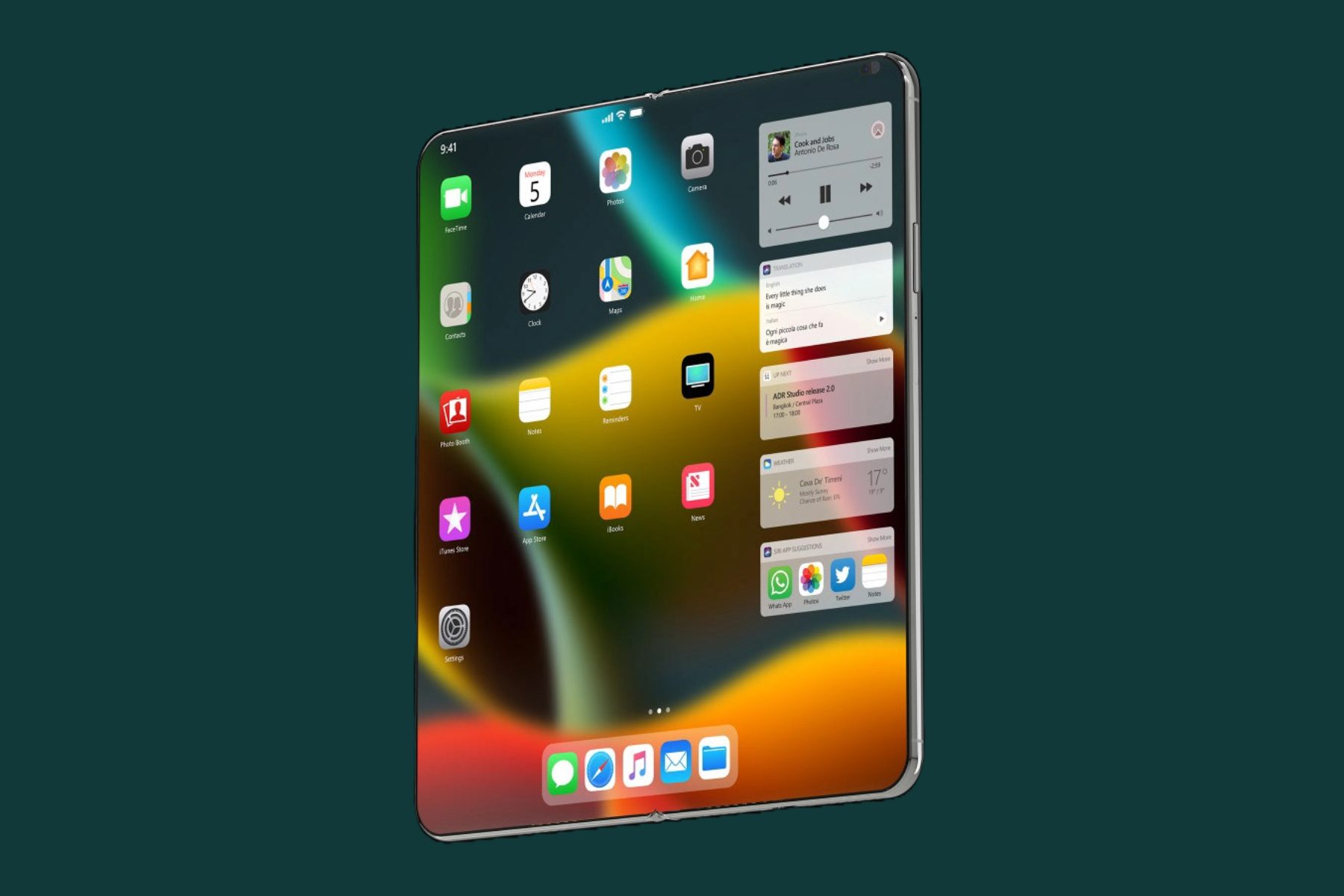
TFI Securities analyst Ming-Chi Kuo recently wrote in an investor note that the foldable iPhone will feature a display that is virtually free of any crease on the inner foldable phone. So far, no brand has managed to completely remove the crease along the vertical folding line, so it would be interesting to see how Apple manages that pain point.
As far as dimensions go, Kuo points out that the device’s thickness will be 9–9.5mm in the folded state, and around 4.5-4.8 when open. The inner flexible panel will reportedly span 7.8 inches, while the outer cover display will measure 5.5 inches diagonally. The imaging hardware could be a bit of a downer, as the phone will only feature two rear cameras. One report suggests the iPhone foldable could use Touch ID and a chip focused on enabling AI features.
Every other brand in the game, including Google, is already offering a triple-lens setup on its foldable phones. Kuo is also predicting the same high-density battery cell tech for the “iPhone Fold” as the iPhone 17. The price, however, could be on the higher end of the spectrum, falling close to $2,000-2,500 a pop.
Overall, it seems the iPhone 18 series will focus on upgrades that are invisible from the outside, but will deliver a few meaningful upgrades that could make them an appealing choice for upgrades. The biggest surprise is going to be the foldable model, and assuming Apple doesn’t run into some supply chain snags, it’s going to be the talk of the tech town next year.


