

SpaceX has reportedly shown investors a prototype of a handset-like AI device that is slimmer than an iPhone. According to The Wall Street Journal, the device is said to run on a proprietary operating system, use a Qualcomm Snapdragon chip, and integrate AI technology from xAI.
The project is still at an early stage, and there is no guarantee that SpaceX will turn it into a real product. The report also does not describe it as a traditional smartphone, which is important. It could be a phone, something closer to a dedicated AI device, or a product that never makes it past the prototype stage.
SpaceX has been linked to phone-like hardware before
This is not the first time SpaceX has been connected to phone-like hardware. Earlier this year, a report claimed the company was exploring a Starlink-connected phone, though Musk denied that SpaceX was developing one.

Musk has also spoken about the idea of making a phone in the past, largely in response to his frustration with Apple and Google’s control over app distribution. He previously said he would consider making an alternative phone if X were removed from major app stores.
This background helps explain why the new prototype matters, even if it is still unclear what SpaceX is building. A handset-like device connected to xAI would fit with Musk’s efforts to bring more of his companies’ software, services, and hardware under one roof and his ambitions for an “everything app,” which he expressed shortly after he purchased Twitter (now X).
If it is a phone, what would it focus on?
If SpaceX’s prototype does become a phone-like device, AI would almost certainly be the headline feature. Musk already has xAI, Grok, X, Starlink, and his long-running “everything app” vision around payments, messaging, services, and media. A dedicated device could bring those pieces closer together without relying as heavily on iOS or Android.
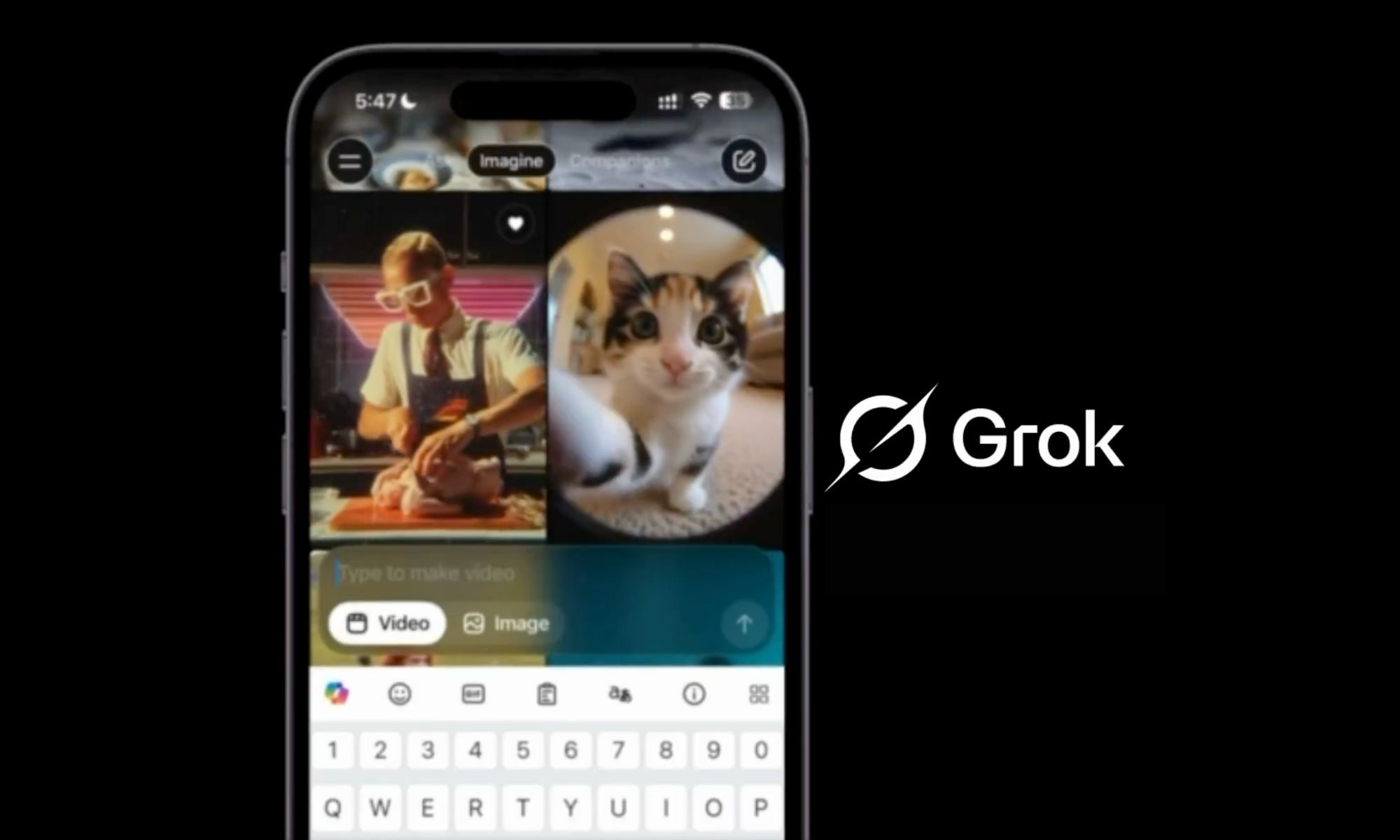
Privacy and platform control could also become part of the pitch. Musk has repeatedly criticized mainstream tech companies over user data and app-store power. He pushed users toward Signal during the WhatsApp privacy backlash and later accused WhatsApp of exporting user data.
A SpaceX device could lean on xAI, encrypted communication, X services, and possibly Starlink connectivity. That would give it a clearer identity than many AI gadgets, but building a successful phone is still extremely difficult. Users expect polished hardware, strong cameras, reliable software, good battery life, carrier support, and a mature app ecosystem.
For now, this is an early prototype, not a finished product. Only time will tell whether SpaceX is exploring a real smartphone, a narrower AI device, or something else entirely.


