Google is officially entering the AI health coach race, and this one has been a long time coming. The company has announced the Google Health Coach, a Gemini-powered personal wellness assistant baked into a rebranded Google Health app. It will track your workouts, analyze your sleep, read your medical records, and adapt to your life in real time. Think of it as having a fitness trainer, a sleep expert, and a nutritionist on call 24/7 for just $9.99 a month. Here’s everything you need to know about Google’s play to become your go-to health companion.
Same coach, new name
The Google Health Coach didn’t appear out of thin air. It’s been in the works for a while, albeit under a different name. Google first previewed it during its August 2025 Made by Google event, promised a public beta in October, and delivered on that promise for Fitbit Premium subscribers on Android, with the iOS rollout following later.
At the time, the feature lived inside the Fitbit app and was known as the Fitbit AI Coach. With this week’s announcement, the Fitbit app is being rebranded as Google Health, and the coach is getting a new name to match. The preview period was used to gather feedback and iterate, with Google making continuous improvements before committing to a full global rollout. That rollout is almost here.
Here’s when it drops
Google Health Coach will go live with the launch of the rebranded Google Health app on May 19. It will be a staged release, with the rollout expected to be completed by May 26, the same date the new Fitbit Air hits the market.
At launch, the coach will be limited to Fitbit and Pixel Watch devices, with support for other devices to follow. If you don’t own either, you can still download the Google Health app and sign up to receive a notification when the coach is ready for your device.
What it can do
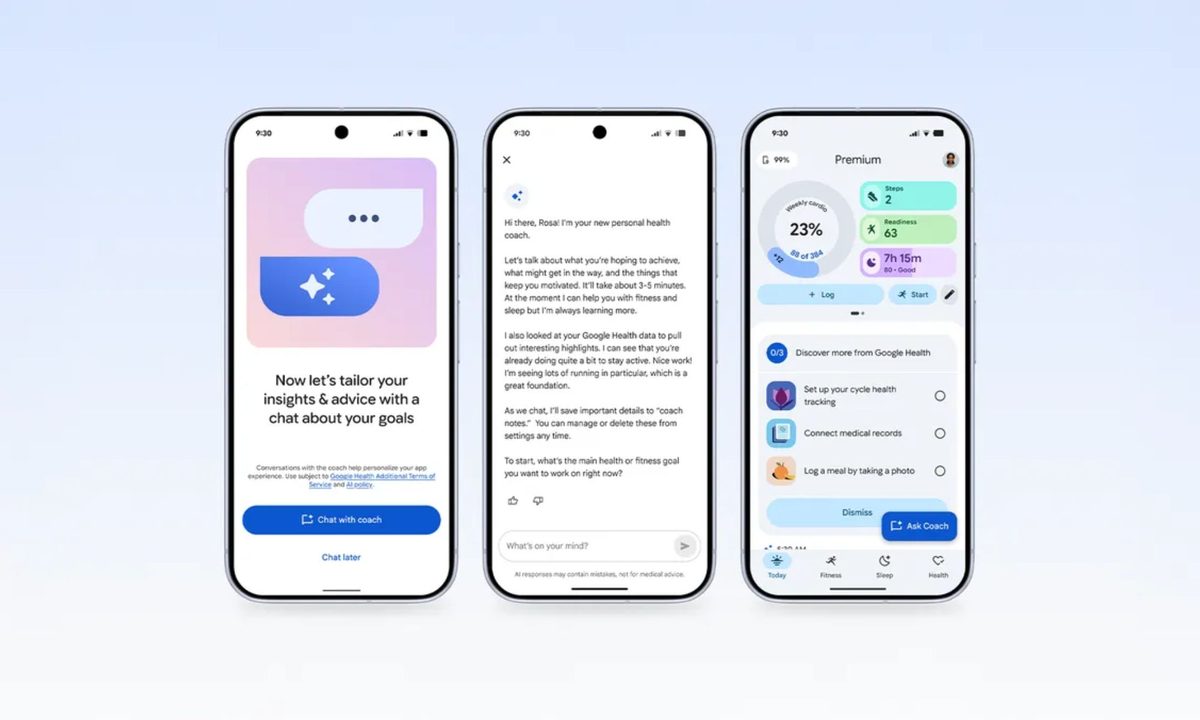
Google Health Coach is designed to function like a personal health assistant. So, before it starts offering advice, it’ll kick things off with an onboarding conversation to get to know you better. It’ll include questions about your goals, daily routine, available equipment, any injuries, and other lifestyle context that will help shape the guidance it offers. And since life rarely stays the same, you’ll have the option to update this information at any time, and it’ll adjust the guidance accordingly.
The coach will use all of that contextual information alongside your fitness and sleep data, nutrition, cycle tracking, local weather, and medical records (if you choose to share them) to offer relevant guidance. Day to day, it’ll surface insights and nudges through the redesigned Today tab in the Google Health app. And if you want a quick answer about something specific, the “Ask Coach” feature will offer on-demand guidance.
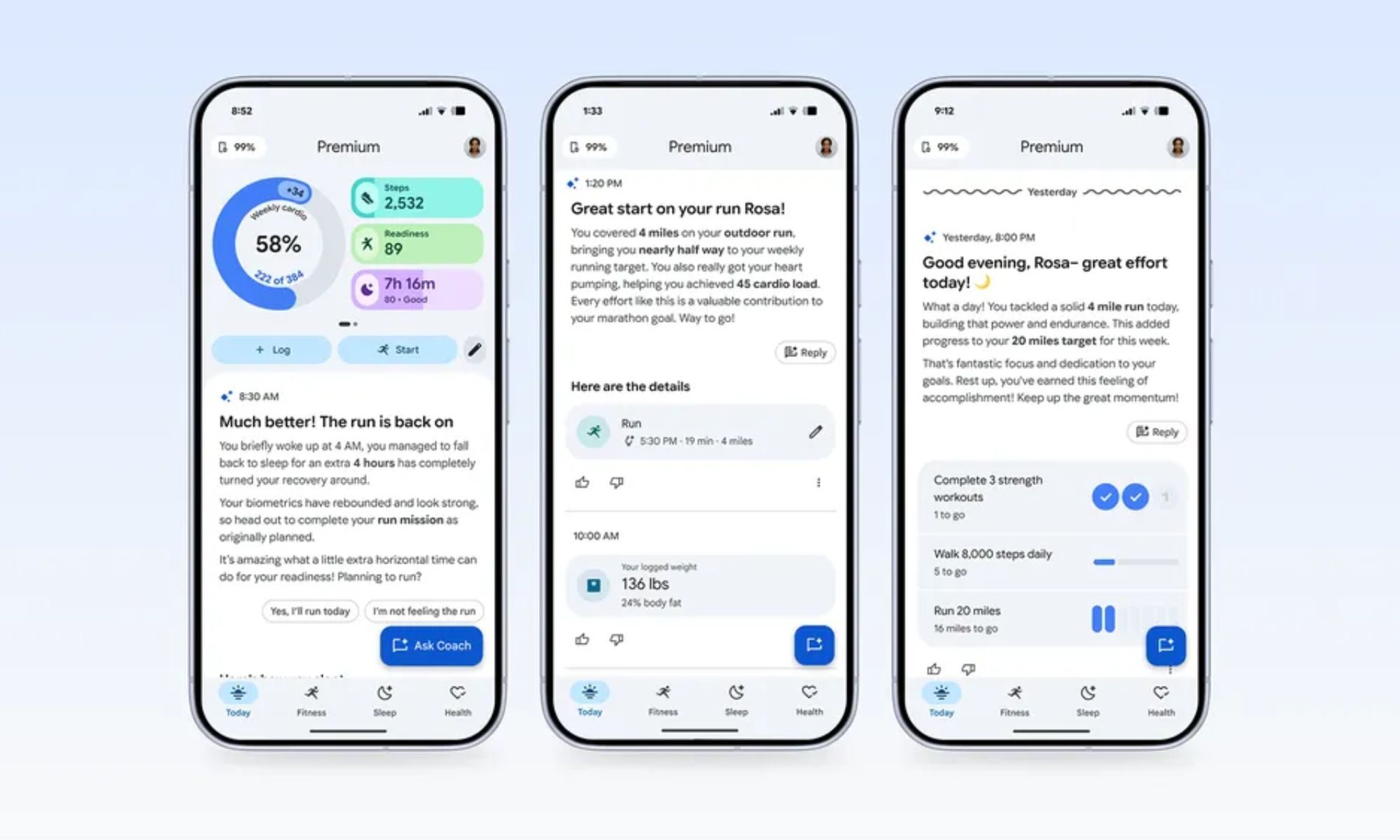
The coach will also help you track meals, workouts, and health data using voice, photos, or documents. Snap a photo of a gym whiteboard to log a session, or photograph a meal for a nutritional breakdown. US users will also be able to sync their medical records and ask the coach questions about test results, medications, and visit history.
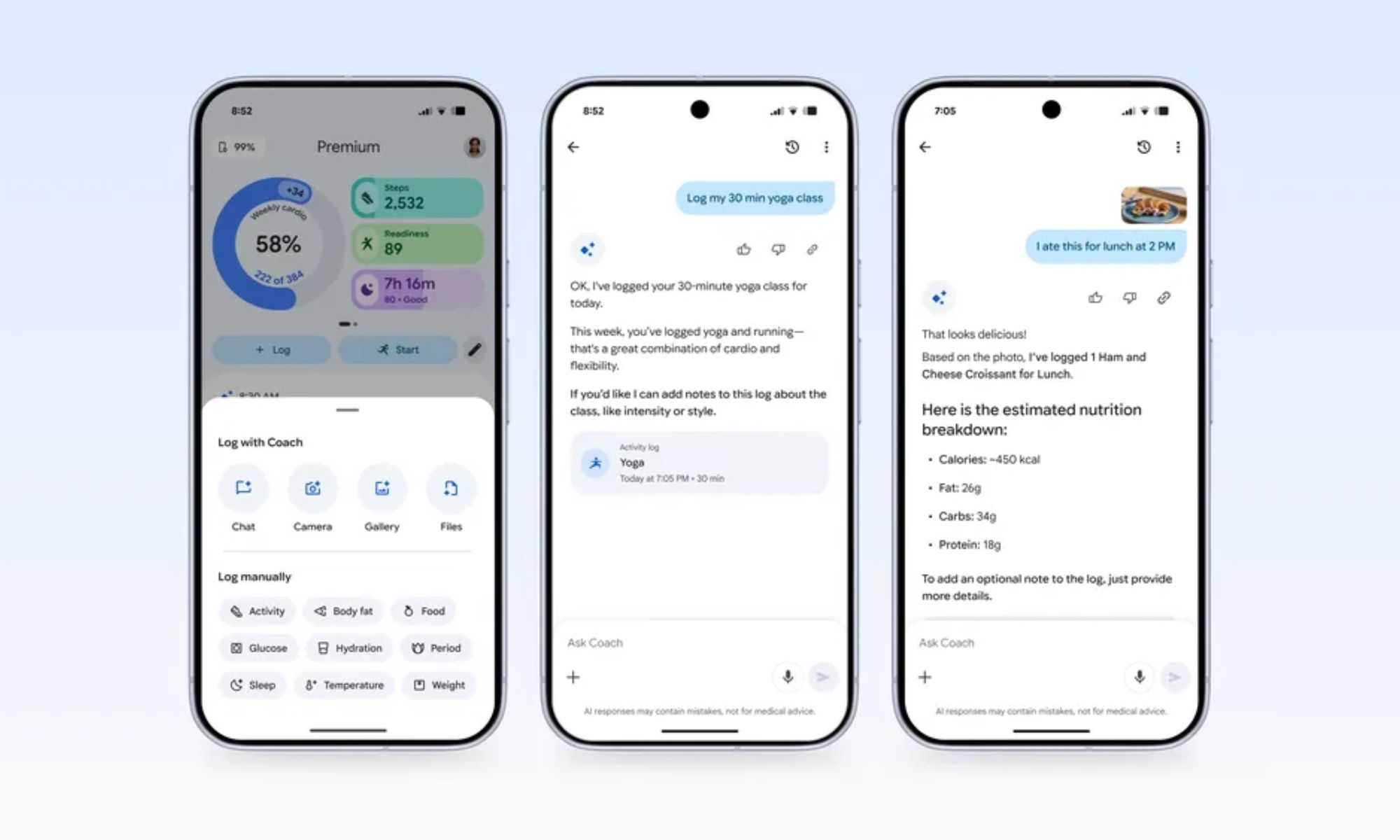
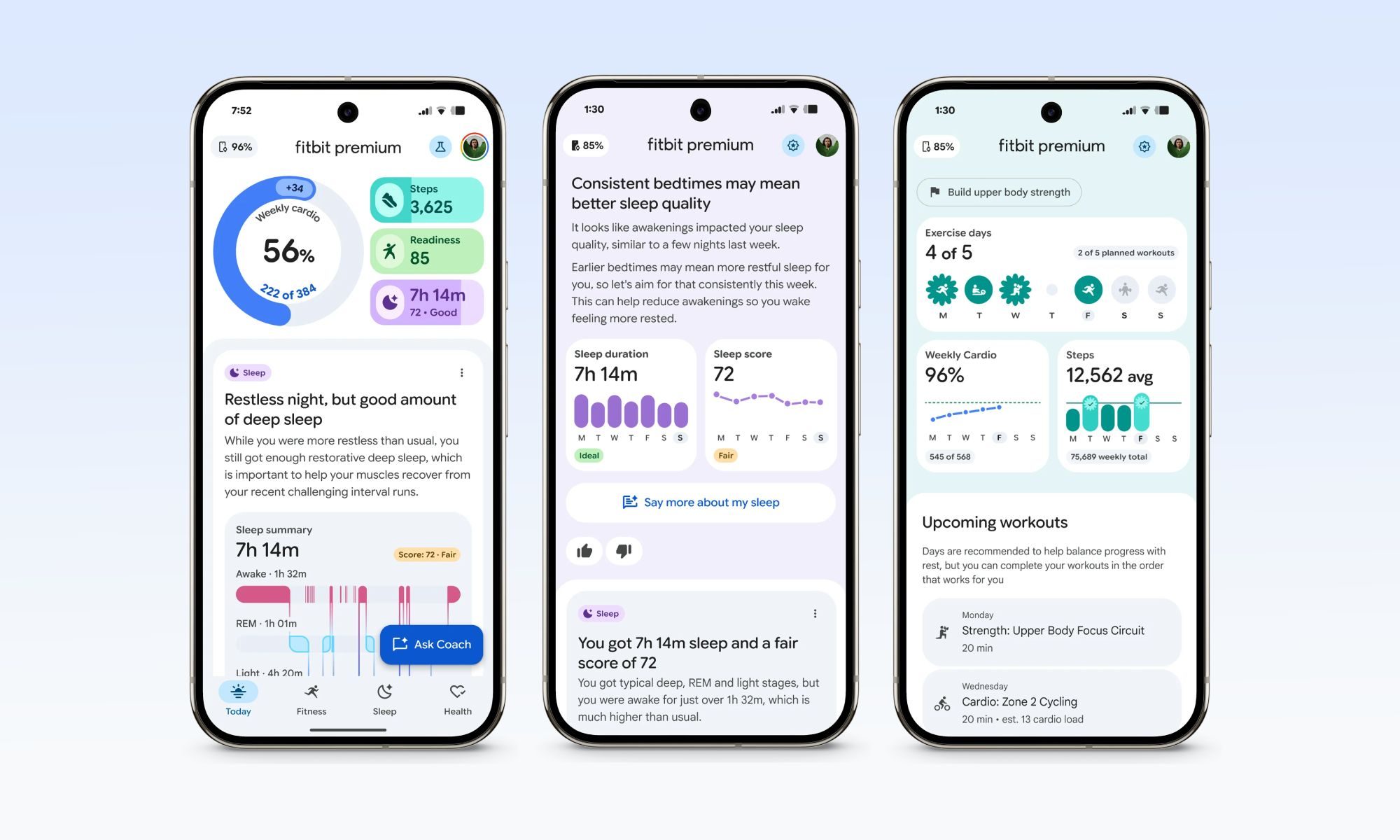
The coach will shape how the rest of the Google Health app works, too. The Fitness tab will offer a weekly plan built around your goals, with workout suggestions that factor in your readiness and recovery. You’ll also be able to build custom workouts using natural language, and the coach will provide step-by-step guidance as you work through them.
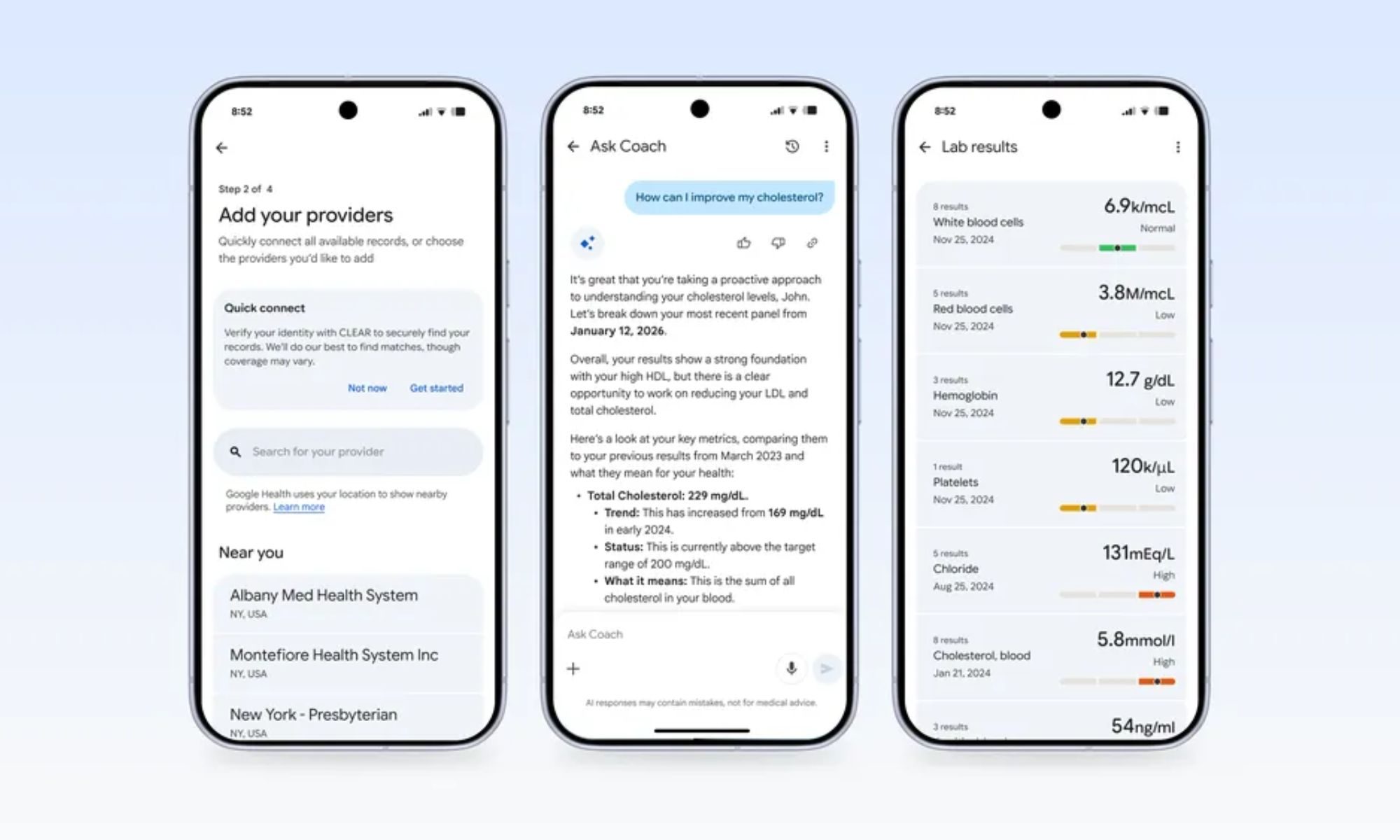
The Sleep tab will go beyond tracking hours and help you understand your consistency over time and where your rest could improve. The Health tab will let you view key metrics at a glance and ask the coach to summarize your medical records in plain language.
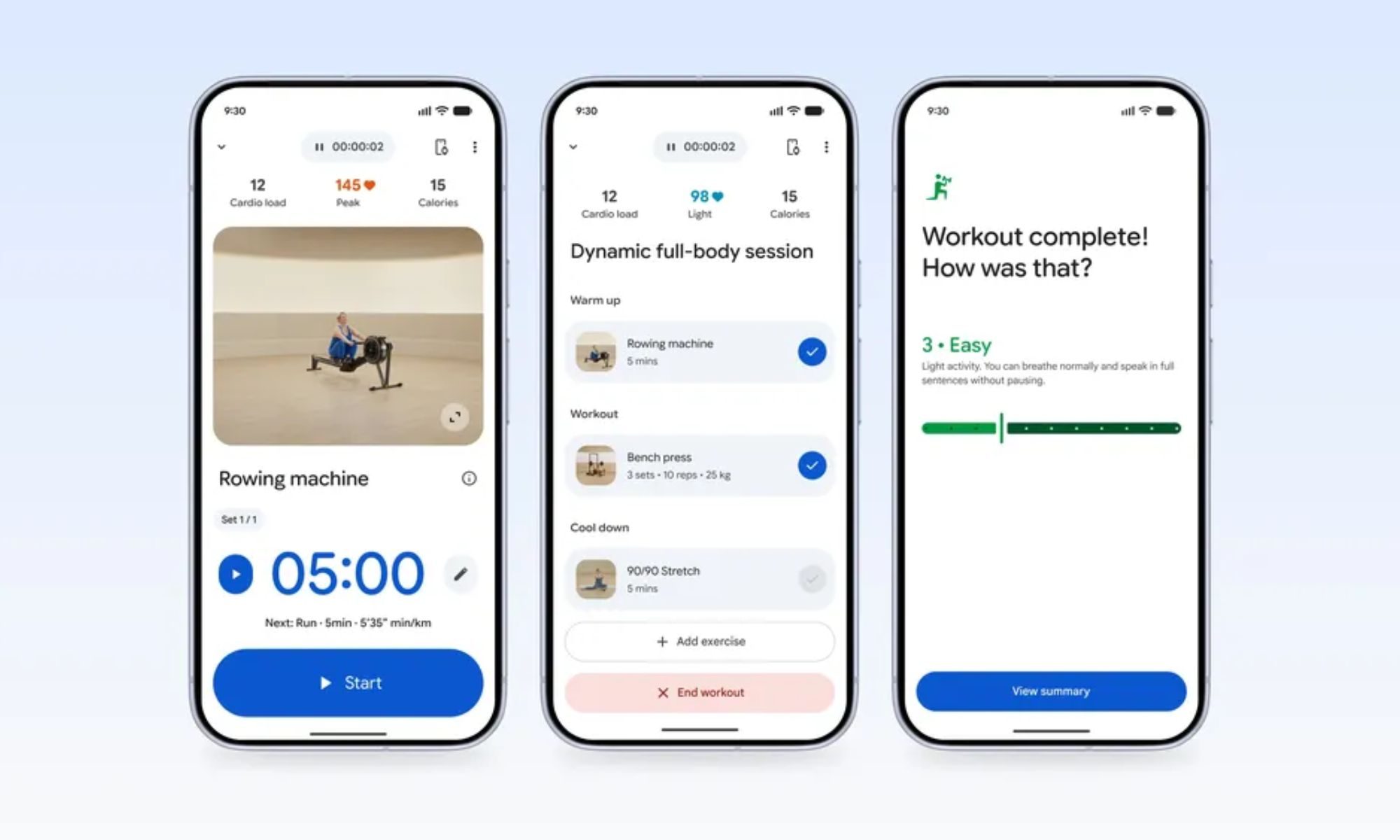
Cycle tracking, nutrition, and mental wellbeing are also being rebuilt from scratch for this release, with the coach connecting insights across all three to tailor your workout and recovery recommendations. So if your cycle phase is affecting your energy levels or sleep, the coach will take that into account when suggesting how to approach your week.
Built on real expertise
Google says the coach has a solid foundation. Its guidance is powered by Gemini and grounded in “novel health research and established wellness principles.” The company worked with a Consumer Health Advisory Panel of medical experts and clinicians across multiple disciplines, alongside its own clinical and sports science teams, to ensure the coach’s recommendations are evidence-based.
NBA star Stephen Curry and his team of performance experts were also part of the process, working directly with Google Health to shape the coach’s approach to goal setting and recovery.
On privacy, Google says it’s maintaining the commitment it made when it acquired Fitbit: your health and wellness data will not be used for Google Ads. That commitment will carry over to the Google Health app and stay in place going forward.
What it’ll cost you
The Google Health Coach will be available as part of a Google Health Premium subscription, which is a rebranded version of Fitbit Premium. The pricing stays the same at $9.99 per month or $99 per year. If you’re already a Fitbit Premium subscriber, nothing changes on your end.
If you’re on Google AI Pro or Ultra, you’ll get Google Health Premium bundled in at no extra cost, which makes those plans considerably better value for anyone who also cares about their health and fitness. The new Fitbit Air will also come with three months of Google Health Premium included, giving new device buyers a decent window to try the full experience before committing.
Google Health Coach arrives on May 19, and with Apple having recently shelved its own health coaching plans, Google has a genuine opportunity to stake its claim in this space early. Whether the coach delivers on its promise in day-to-day use remains to be seen. It’ll be interesting to see how this plays out over the coming months.