
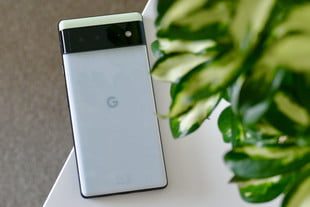
Google’s Pixel 6 is an excellent smartphone, one of the best Google has ever made. It fixes up issues we’ve seen in older Pixels, from outdated and weak hardware to boring designs. All things considered, it’s great — and our reviews say so. At the same time, the Pixel 6 and Pixel 6 Pro have come under fire from both critics and fans alike since its release. Over on the r/GooglePixel subreddit, there are many who would chafe at the idea of someone having a good experience with the Pixel 6, while prominent reviewers like Marques Brownlee (MKBHD) back them up.
From where I sit, it’s not that the Pixel 6 is a bad phone — reviews say as much, my personal experience aligns, and my colleague Andy Boxall offers a more measured take on the issue from a user perspective. It’s a very good phone, and it does what it says it is supposed to do, with little complaint on my end.
“It’s certainly possible that Google is having widespread quality control problems, but it isn’t something I have seen directly (anecdotally, my Pixel 6 review units have been fine),” Avi Greengart, from Techsponential, told Digital Trends over email. “However, even if the Pixel 6 is bulletproof, it still must contend with a market that leans heavily Apple and Samsung, and, in Europe, is inundated with low-cost competition from Chinese brands.”
But it’s also the case that these bugs — network issues and battery drainage most prominently — do exist and have been documented by a growing number of reviewers and users. That is going to work against Google if not addressed soon.
Updates can still turn things around
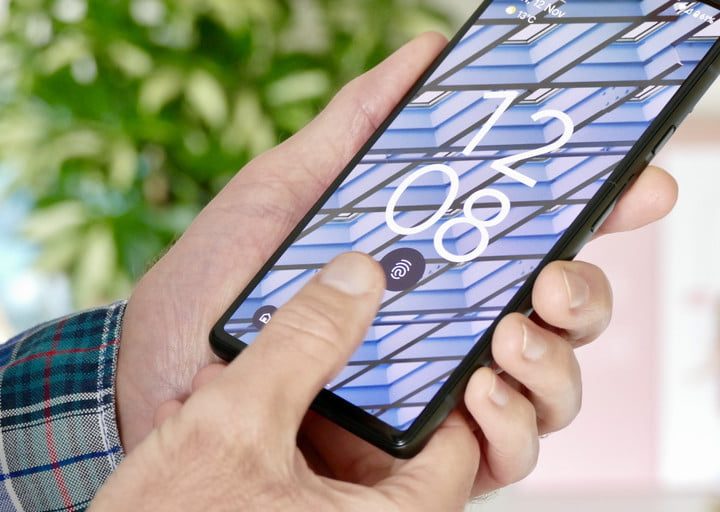
It’s not just Pixel phones that are having a rough time, but Android 12 phones in general. The Verge attributes this to a mixture of the new platform and the tight deadlines engineers face. They may be right — we already know Google is working on Android 12L and Android 13 as we speak.
The company’s December update, which was purported to fix many of these issues, now has a tentative January 17 release date. Sure, it may not have the best word-of-mouth coverage right now, but Google is usually good at pushing out bug fixes that squash software issues. And most of the issues with the Pixel 6 right now are software-related.
The Pixel 6 is still an important phone for Google’s hardware ambitions and Android as a whole in so many ways. The company understands that it can’t just push out revamp after revamp before each bombastic announcement starts to sound hollow — as we saw with its forays into messaging apps. If Google manages to smooth out these rough edges soon and push out a message that resonates with customers — both those who are fine and those who feel burned — then it still has a chance to turn the public perception of the Pixel 6 and Pixel 6 Pro around.
“It is still early days to say how consumers accepted (or not!) the device since it has been on sale for a very short period,” IDC senior research manager Marta Pinto told Digital Trends over email. “[The] Pixel 6 series is a leap from the previous Google Pixel iterations and not just another update. It breaks from the past in terms of design, but also in terms of components, and opens the door to a whole new future of Google Pixel devices. Saying this, being the first of a “true” flagship, it is a learning device in many senses: Not just in terms of customer acceptance, but also in terms of marketing and product positioning, since Google is now aiming to compete with different players as OnePlus, Samsung, or Apple, and that brings the game to a different level.”
It’s not just Google’s skin in the game. According to Pinto, the manufacturer making the Pixel 6 into a win would help its carrier partners, all of which would be happy to see a new choice in the high-end market to break up the Apple/Samsung duopoly. If successful, there may even be second-order effects.
The Pixel 6’s choice of processor, for example, would free up Qualcomm chips for other Android brands and help avoid the chip shortages that occurred last year. “Even if this first ‘true’ flagship from Google is not a blockbuster, for sure it is a new era for Pixel devices, and there won’t be turning back: Tthe new features are not going to be scaled back, the innovation is in motion and won’t be reverted. It will be down to marketing and continuous work from Google and partners to pitch this new device to consumers,” Pinto added.
Much ado about nothing?
It’s worth stressing again that I personally have purchased a Pixel 6, and it is fine. There are some minor glitches, and the battery isn’t excellent, but it’s still pretty good when not being stressed. The same is true for my colleagues with Pixels, as it is for other people if you do check the comment sections and Pixel subreddits. For many people, the Pixel 6 and Pixel 6 Pro are great devices they’re happy with. Unhappy people tend to make the loudest noise, after all. But if Google does its job well with the next update and saves the Pixel 6 from its bad reputation, the only way you’ll know it succeeded is if you don’t hear anything at all.


