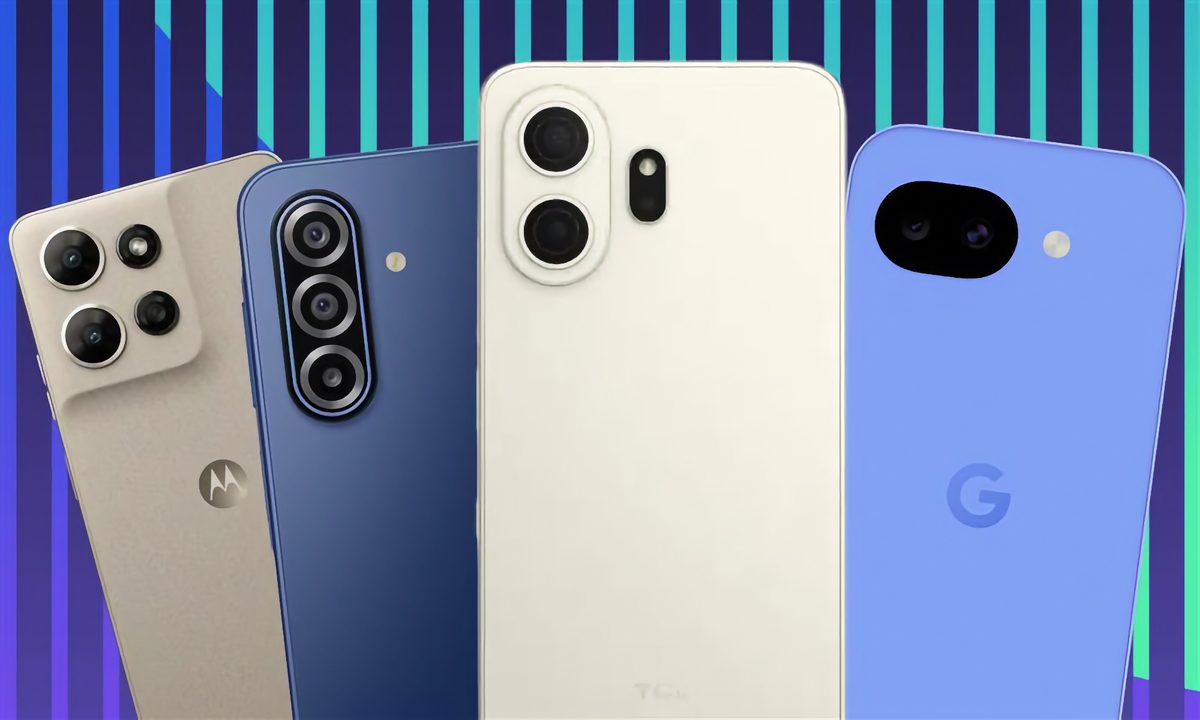
The era of truly good budget phones is over, and you can blame AI for that. Due to the rising chip costs, even flagship phones are feeling the pinch. And that’s why, when TCL finally brought the NXTPAPER 70 Pro to the US, it came as a big surprise to me. The phone costs just $199, nearly half the price you’d pay in other markets.
Yes, the phone is exclusive to T-Mobile, but at $199, the NXTPAPER 70 Pro felt something else. A 6.9-inch 120Hz display, IP68 water resistance, 5,200mAh battery, 50MP camera, and TCL’s NXTPAPER 4.0 display technology, which is genuinely unlike anything else at this price. Naturally, I wanted to compare it to phones in a similar price range to see whether I can find a better deal.
So, I went looking for alternatives at a similar price and found three worth comparing: the Samsung Galaxy A17 5G, the Motorola Moto G Power 2026, and the Pixel 10a. None of them can beat the TCL in price, performance, or features, and I concluded that there’s no reason to choose any other phone over the NXTPAPER 70 Pro right now. Let me show you what I mean.
But first, a quick specs comparison
| Specification | TCL NXTPAPER 70 Pro | Galaxy A17 5G | Moto G Power 2026 | Google Pixel 10a |
| Display | 6.9 inches, IPS LCD, 120Hz (1080 x 2340 pixels) | 6.7 inches, Super AMOLED, 90Hz (1080 x 2340 pixels) | 6.8 inches, IPS LCD, 120Hz (1080 x 2388 pixels) | 6.3 inches, P-OLED, 120Hz (1080 x 2424 pixels) |
| Processor | Mediatek Dimensity 7300 (4 nm) | Exynos 1330 (5 nm) | Mediatek Dimensity 6300 (6 nm) | Google Tensor G4 (4 nm) |
| Cameras | Main: 50MP, f1.9, 24mm Ultrawide 8MP ultrawide (120˚) Selfie 32MP, f/2.0, 28mm | Main: 50MP, f1.8, 24mm Ultrawide 5MP ultrawide Macro 2MP Selfie 13MP, f/2.0 | Main: 50MP, f1.8 Ultrawide 8MP ultrawide (119˚) Selfie 32MP, f/2.2 | Main: 48MP, f1.7, 25mm Ultrawide 13MP ultrawide, f2.2 (120˚) Selfie 13MP, f/2.2, 20mm |
| Battery | 5200 mAh | 5000 mAh | 5200 mAh | 5100 mAh |
| Price | $199 (T-Mobile) | $189 (T-Mobile), $199 (unlocked) | $189 (T-Mobile), $299 (unlocked) | $499 (unlocked) |
Is there any competition at this price?
The Samsung Galaxy A17 5G is the obvious first comparison. It is Samsung’s best-selling budget phone, and for good reason. You get a solid 6.7-inch Super AMOLED display, a triple camera system, and an impressive six years of software updates.
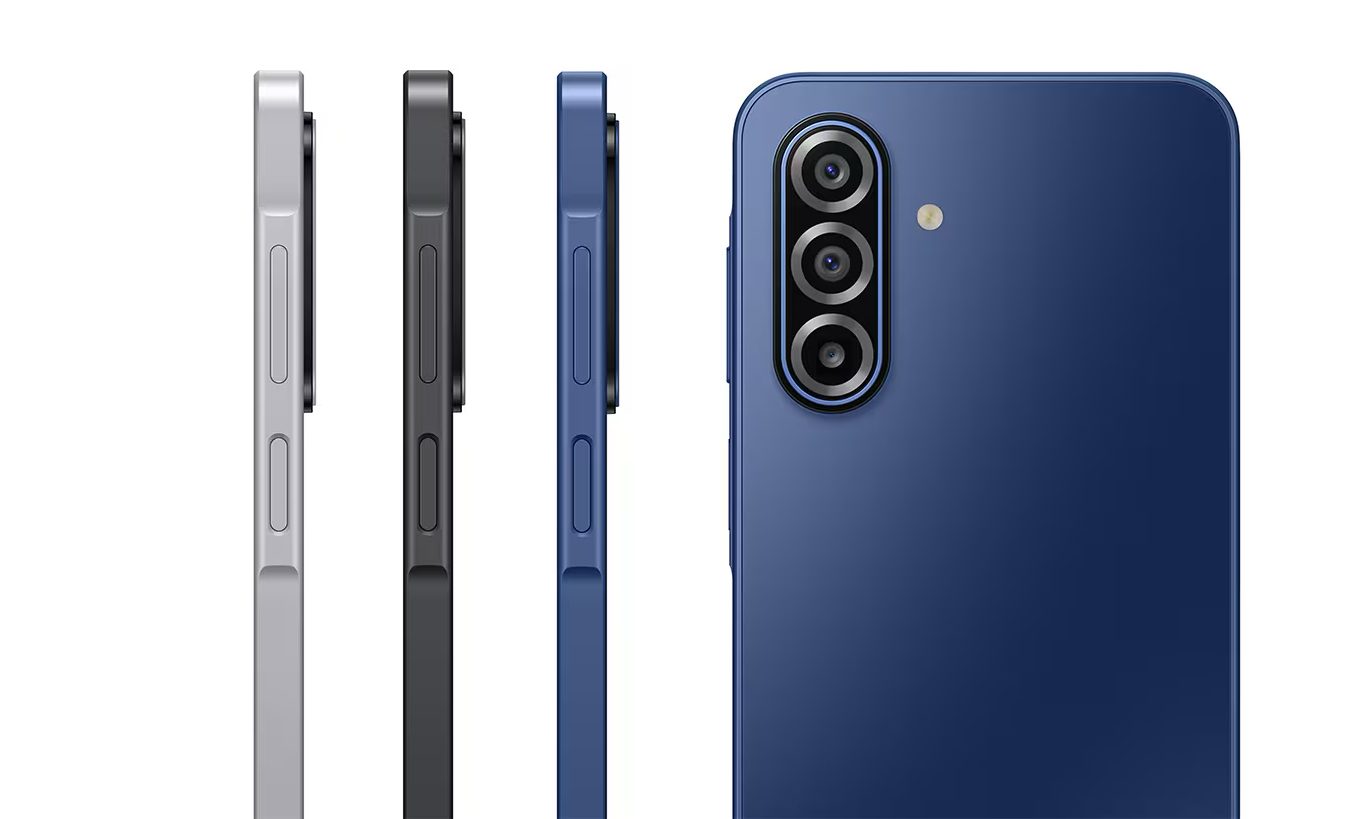
It is a reliable, no-frills phone that does the basics well. But it runs on the Exynos 1330, a chip that has been specifically called out for poor performance. Compared to the MediaTek Dimensity 7300 powering the TCL NXTPAPER 70 Pro, the Exynos 1330 is slower across CPU, GPU, and battery performance. Take a look at the comparisons below:
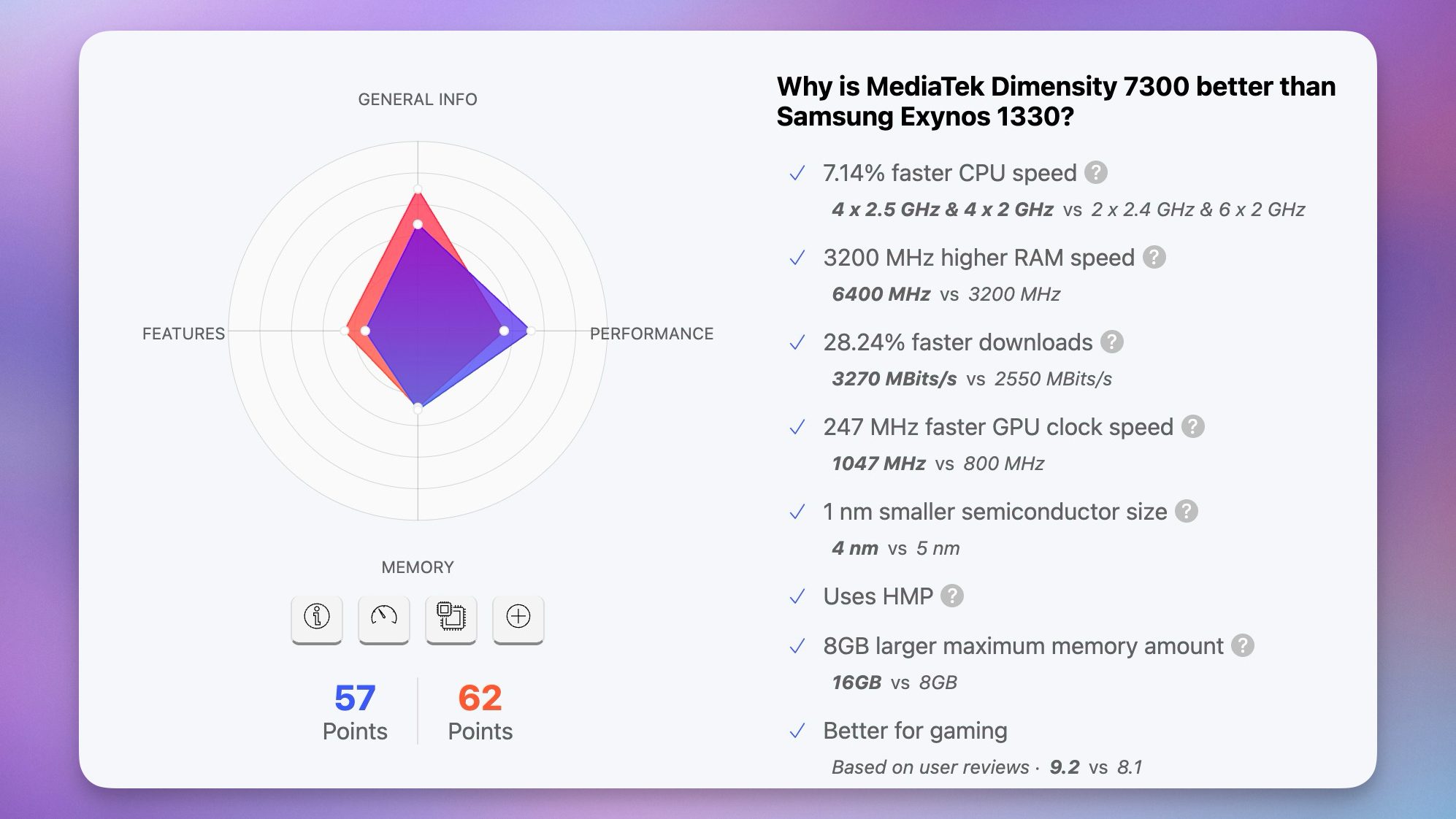
It also has an IP54 rating, which means it is splash-resistant but not submersible. The NXTPAPER 70 Pro, by comparison, has a better chip, a better display, IP68 water resistance, and a more interesting feature set. The A17 sells for around $175 to $199. Simply put:
Same price. No contest.
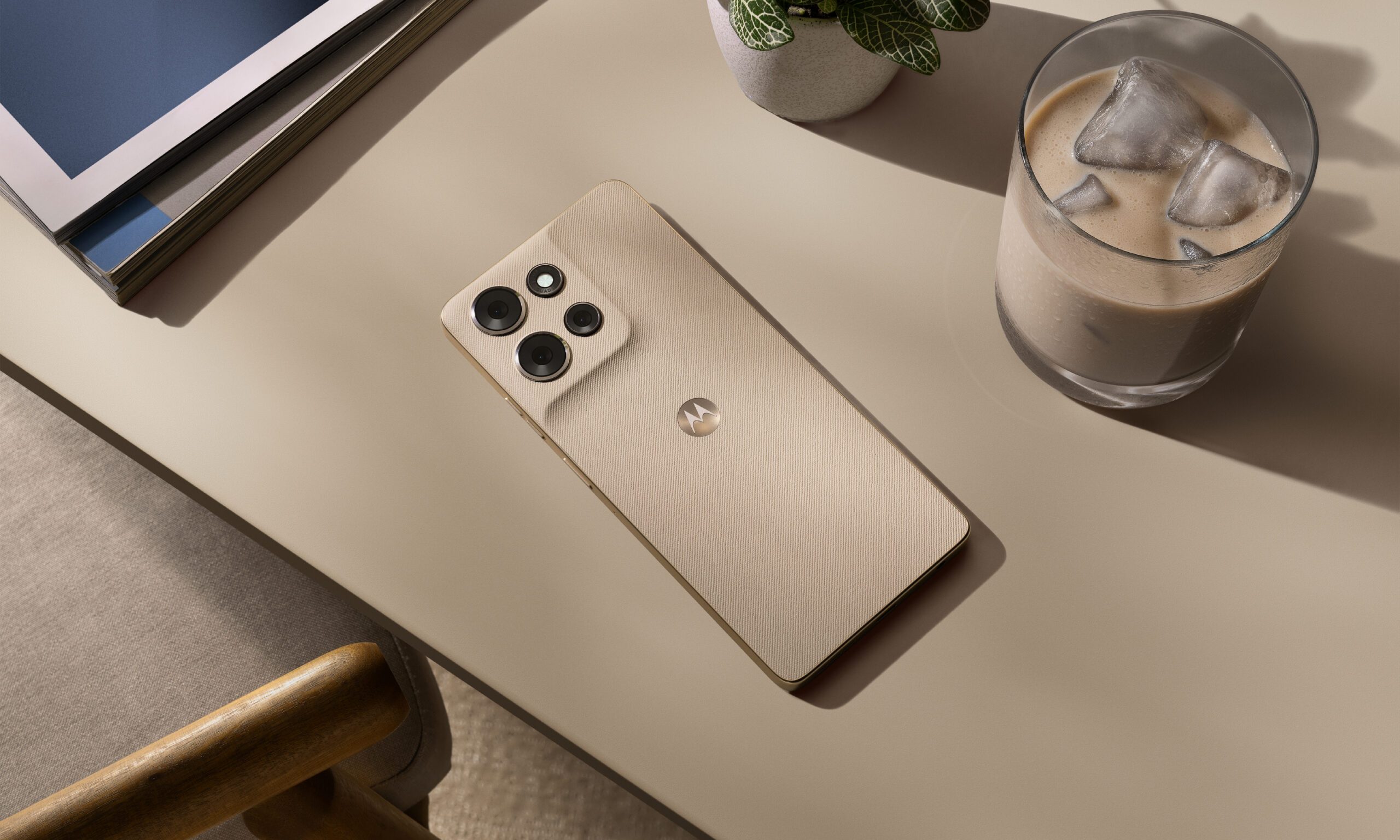
The Moto G Power 2026 offers a similar 6.8-inch LCD display and the same 5,200mAh battery, but the MediaTek Dimensity 6300 inside is a step down from the NXTPAPER 70 Pro’s Dimensity 7300. The Dimensity 7300 uses a newer 4nm fabrication process (compared to the Dimensity 6300’s 6nm) and delivers up to 67% better performance. Have a look at the performance figures:
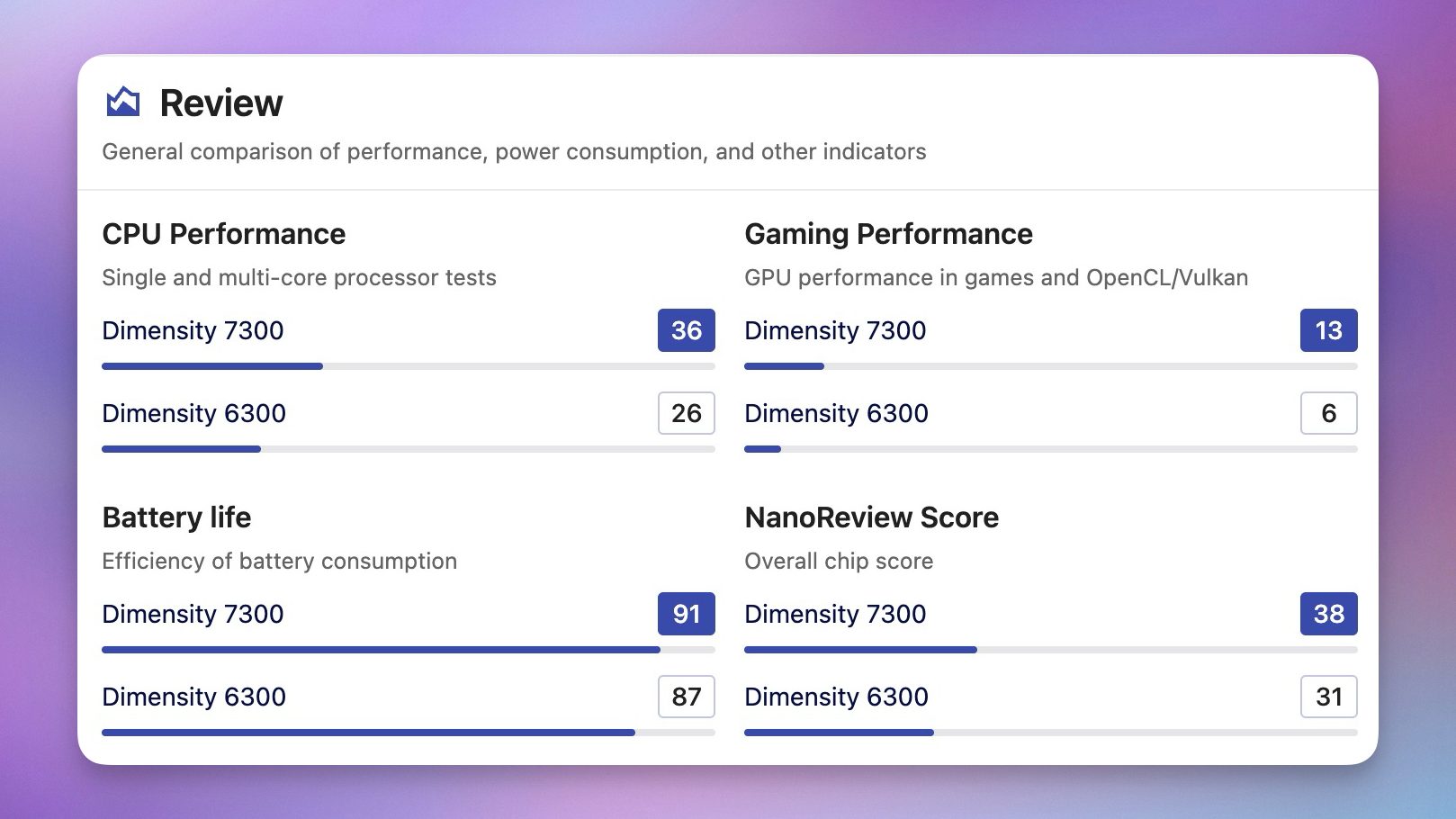
There are several factors working in favor of the Moto G Power (2026). It features a better Gorilla Glass 7i protection and IP68/IP69 dust and water resistance, but that’s about it. On all other fronts, the NXTPAPER 70 Pro either offers equal or better features. Moto G Power 2026 costs $189 if you get it on a similar T-Mobile contract and $299 on Amazon without a contract, so there’s no price advantage either.
As you can see, the TCL NXTPAPER 70 Pro beats the Samsung Galaxy A17 and Moto G Power 2026 on most fronts at a similar price.
What about the Pixel 10a?
This is where it gets interesting. At $499, the Google Pixel 10a is not a phone I should consider for this comparison. But it is a genuinely great phone, a gold standard for mid-range Android, and I am not going to pretend otherwise.
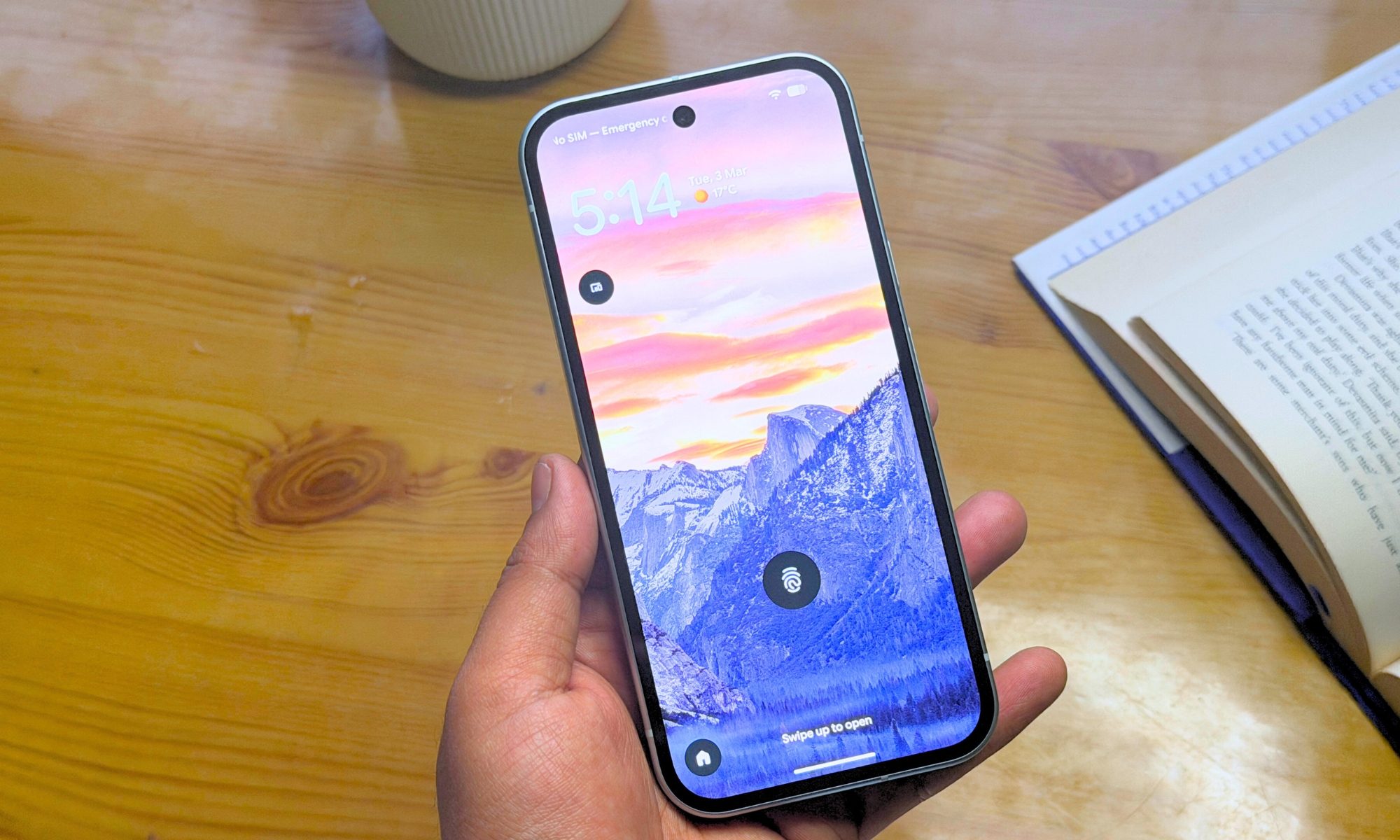
It features a 6.3-inch OLED display, a 48MP camera, seven years of updates, a more powerful Tensor G4 chipset, and Google’s AI features baked deep into the software.
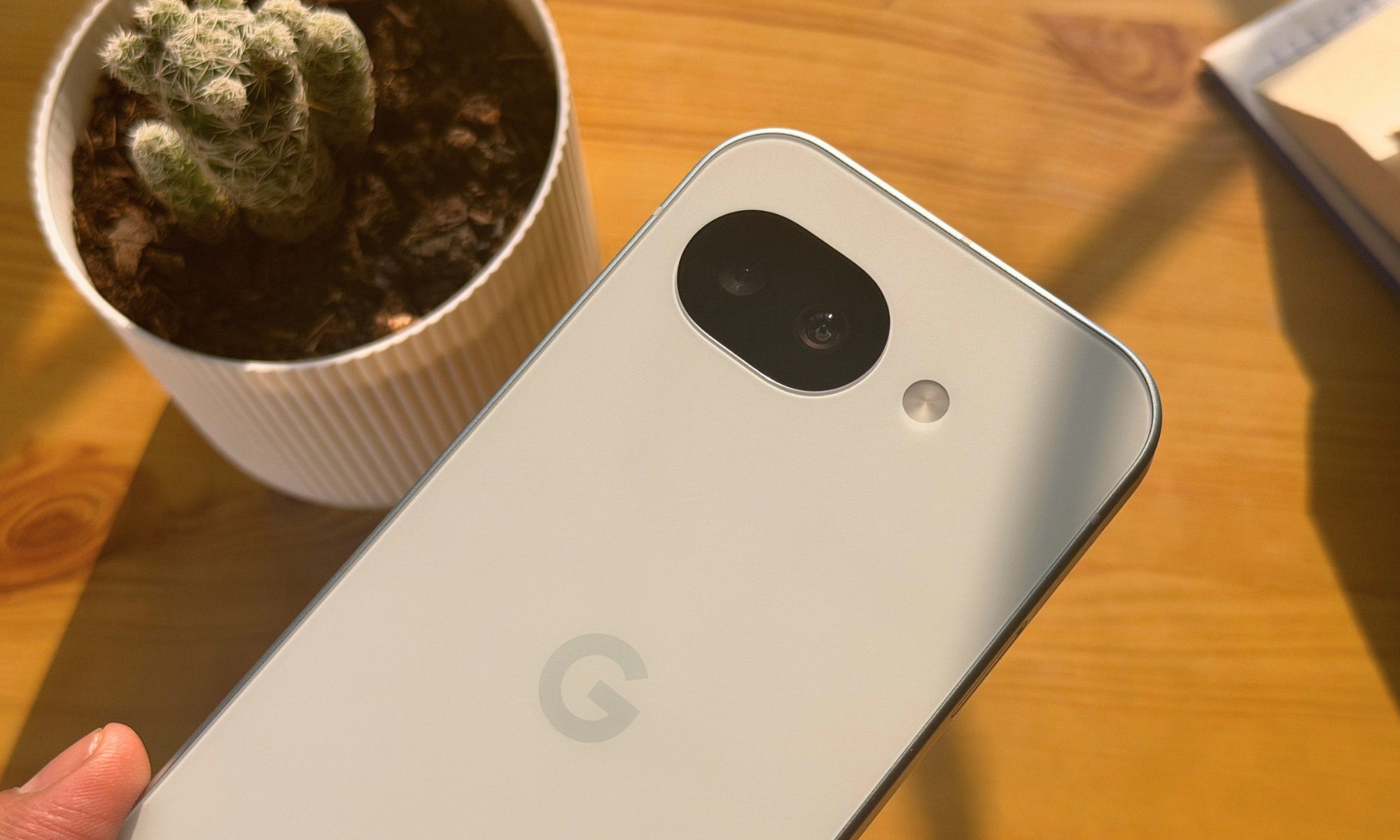
But the Pixel 10a does not have a bigger battery and does not support expandable storage. Also, the TCL NXTPAPER 70 Pro costs $199, and the $300 gap is doing a lot of heavy lifting. And throughout our comparisons, we haven’t even touched on the TCL NXTPAPER 70 Pro’s standout feature: the NXTPAPER 4.0 display.
That display is what makes this phone genuinely special. TCL’s NXTPAPER 4.0 is not a software night mode or a cheap filter. It uses hardware-level changes, including circular polarized light, DC dimming that eliminates screen flicker, and a filter that reduces harmful blue light.
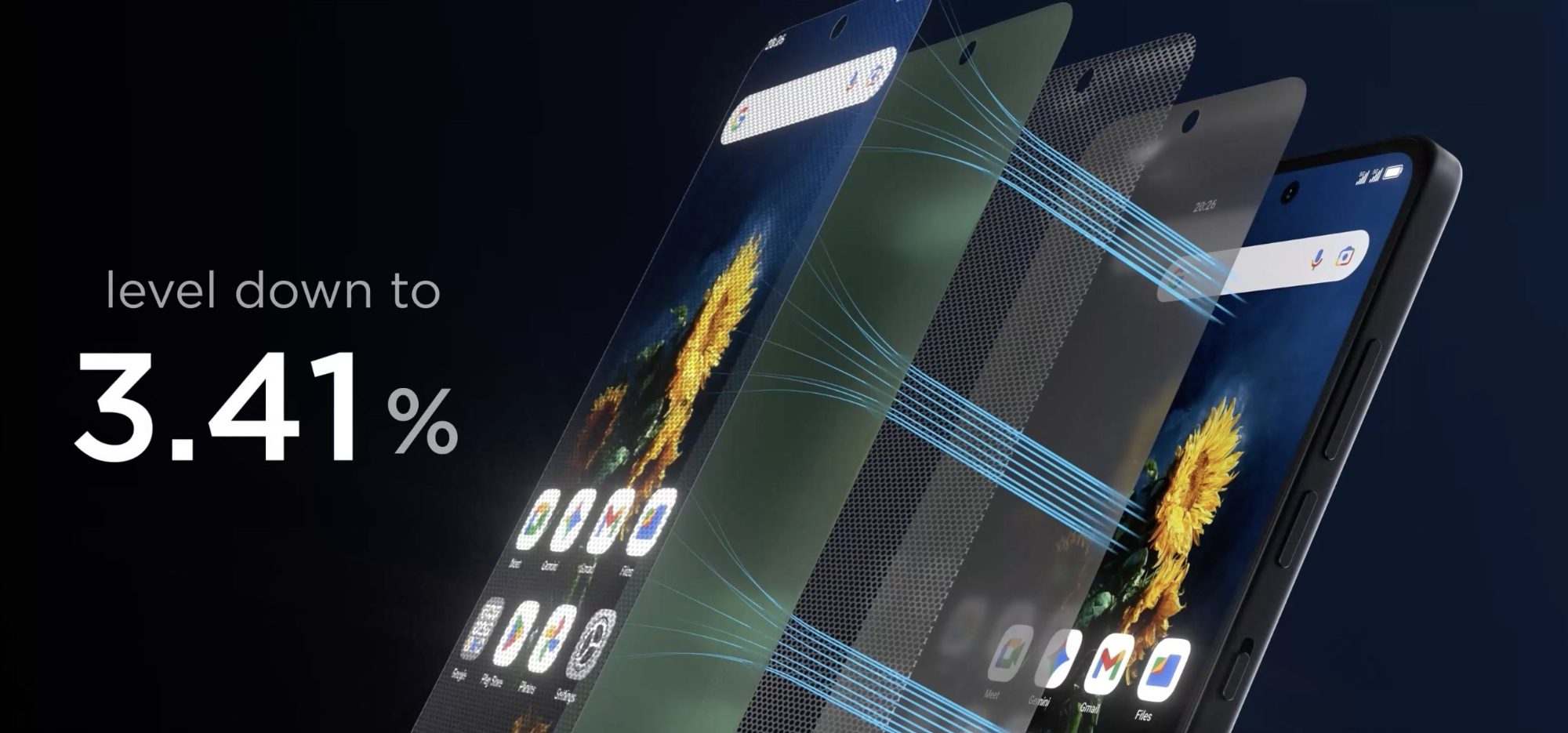
The phone is certified by TÜV and SGS, independent bodies that test these things rather than take a company’s word for it. A dedicated NXTPAPER key on the side instantly switches between full-color mode, Ink Paper Mode, and Max Ink Mode, allowing you to use it as a normal phone or as an e-reader experience. In Max Ink mode, the battery lasts up to seven days.
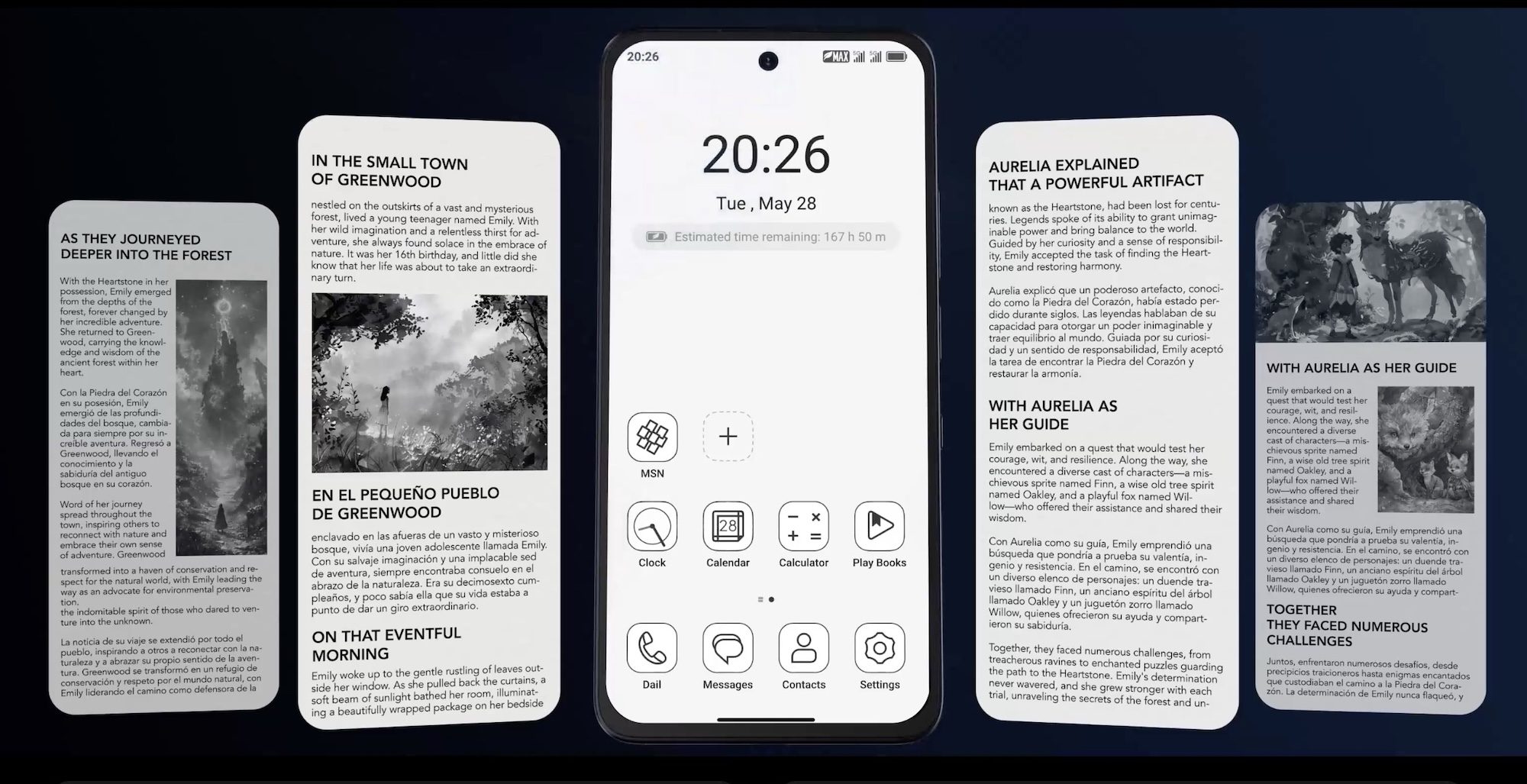
None of the other phones on this list offer these incredible display innovations. This feature alone makes the NXTPAPER 70 Pro worth buying. But even if you disregard it, you have seen that the NXTPAPER 70 Pro offers better features at comparable prices to all other phones in its price segment.
If you spend long hours staring at your phone for work, school, or reading, no phone at this price comes close to what TCL is offering. At $199, the TCL NXTPAPER 70 Pro is not a budget phone that asks you to make compromises. It is a genuinely good phone with one feature that no one else has figured out yet. That makes it a very easy recommendation.