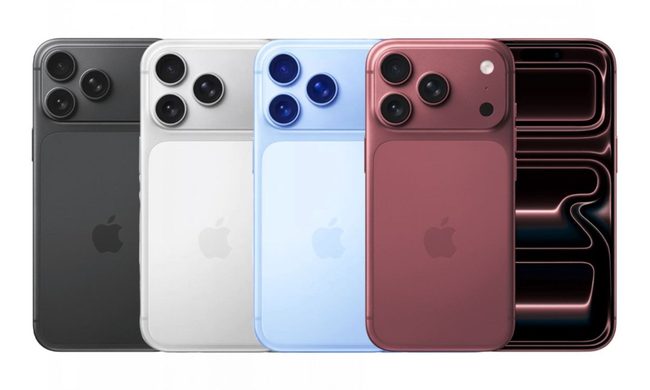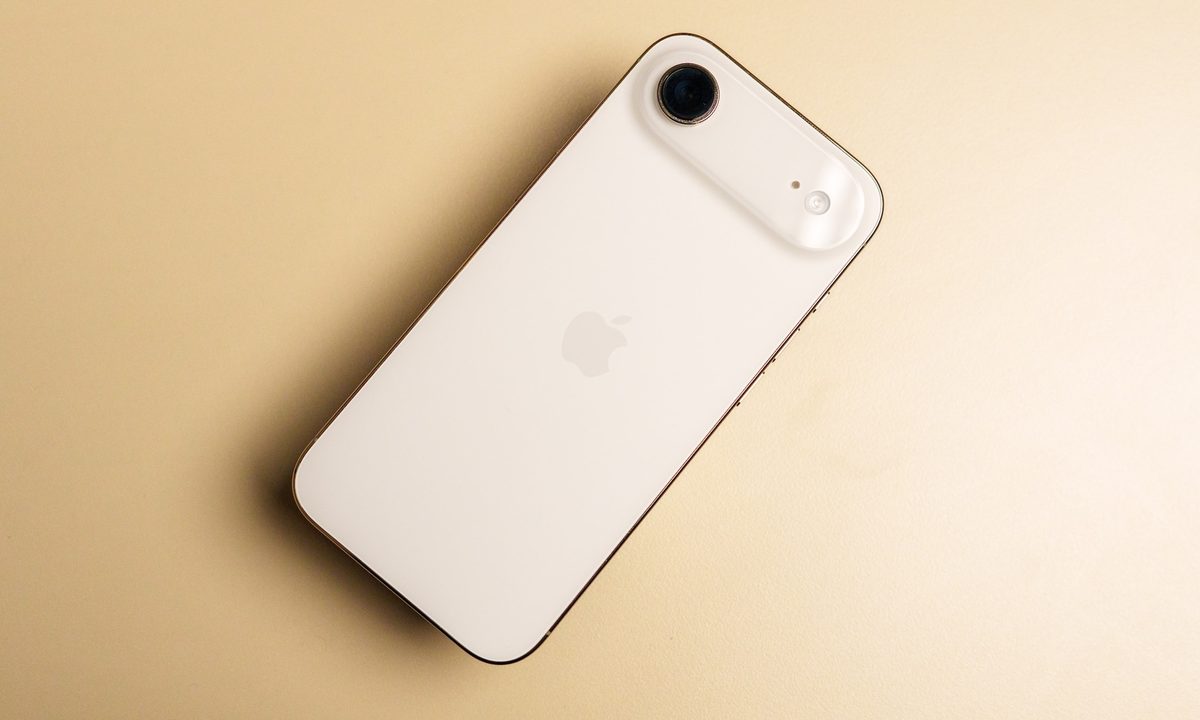
I have always loved using small phones. The last iPhone I truly loved was the iPhone 13 mini, but since it didn’t sell well enough, Apple cancelled it. Since then, I had to settle for the Pro iPhones, simply because they were the smallest option available.
When Apple launched the iPhone Air, I suddenly had another option. Yes, it has a large 6.5-inch screen, but it weighs only 165 grams, which is less than the regular iPhone 17 and significantly lighter than the iPhone 17 Pro. Its slim profile makes it easier to handle than its size would suggest, and that sold me on it.
Six months later, here’s everything I think about the iPhone Air.
What’s to love about the iPhone Air?
The first thing you notice when you pick up the iPhone Air is how easy it is to hold. Despite the large screen, its weight lets me manage it with one hand for most tasks, which is something I couldn’t do with the Pro iPhones.
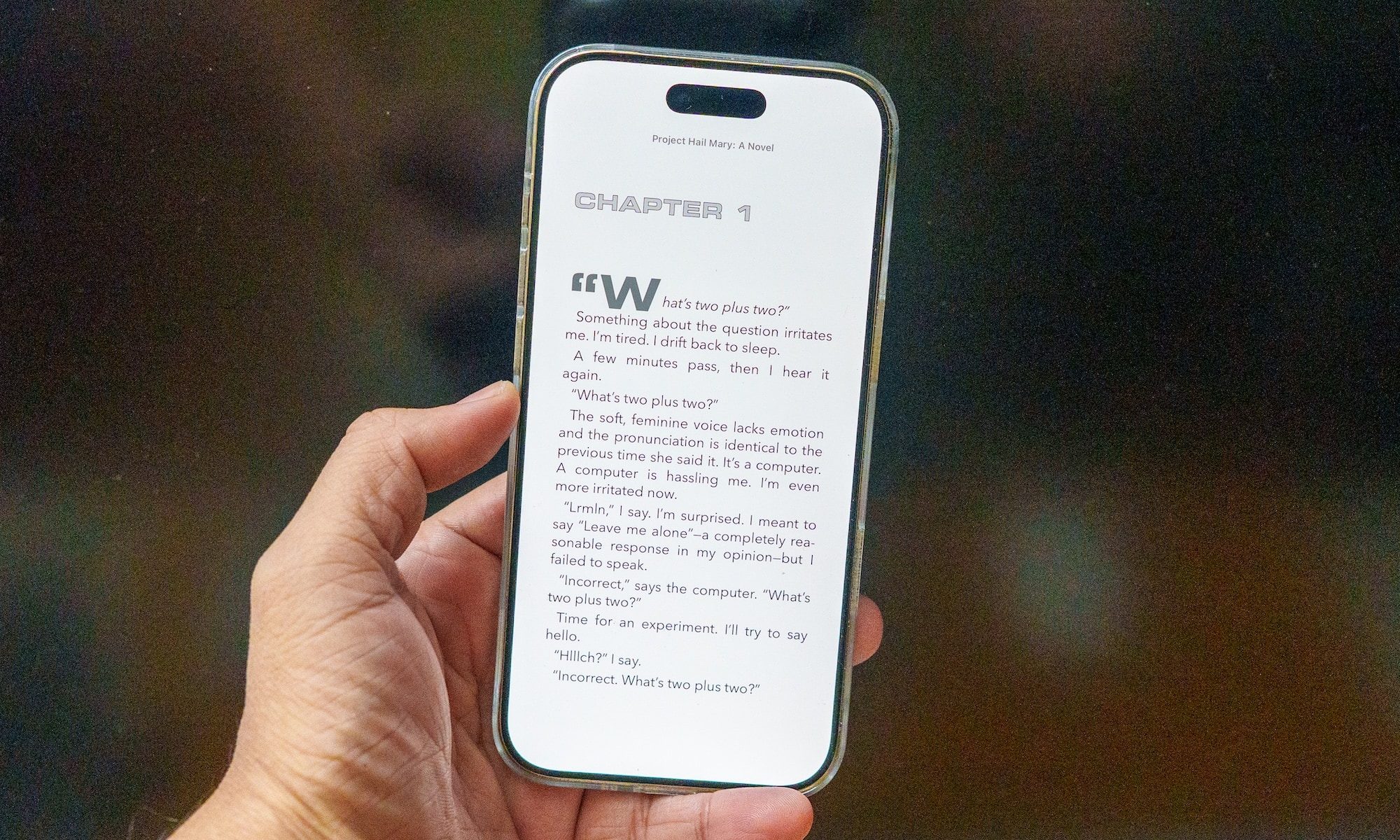
The large screen has its benefits, too. It has become my secondary reading device after the Supernote Nomad. I use Apple Books and Readwise Reader as my reading apps, and the bigger screen makes reading a much more pleasant experience. It’s also great for browsing the web, viewing photos, and watching content on the go.
The one-speaker system is a downgrade compared to the Pro models, but since I mostly use my AirPods Pro 2, it hasn’t been a real concern.
Did the battery last long enough?
My biggest concern before buying the iPhone Air was the battery. A 3,149 mAh battery sounds small on paper, and most reviews flagged it as a weakness. I was prepared to be disappointed.
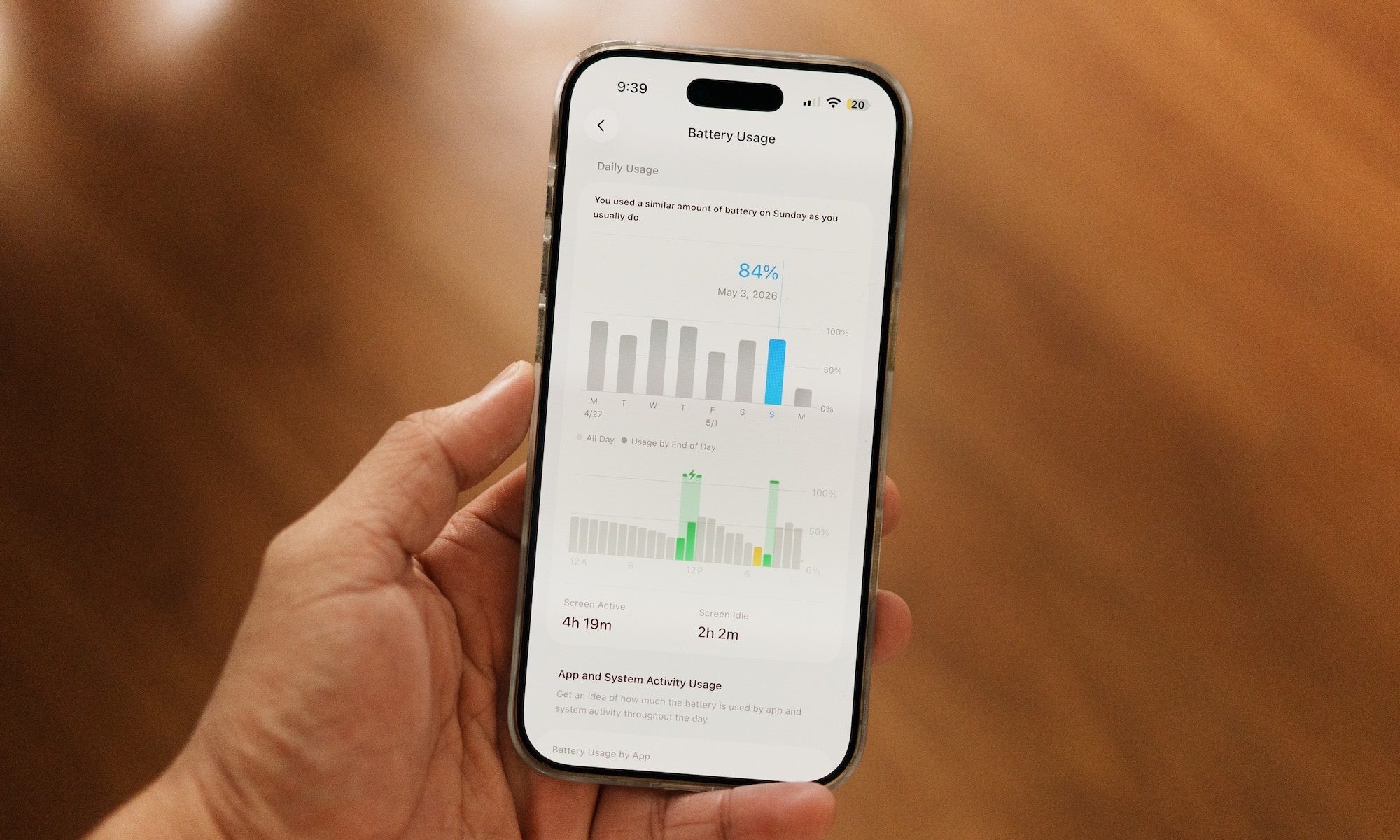
Surprisingly, battery life has not been a problem. The iPhone Air consistently delivers around four hours of screen-on time, which comfortably covers my daily needs. I don’t use social media apps much and prefer watching content on my iPad or MacBook.
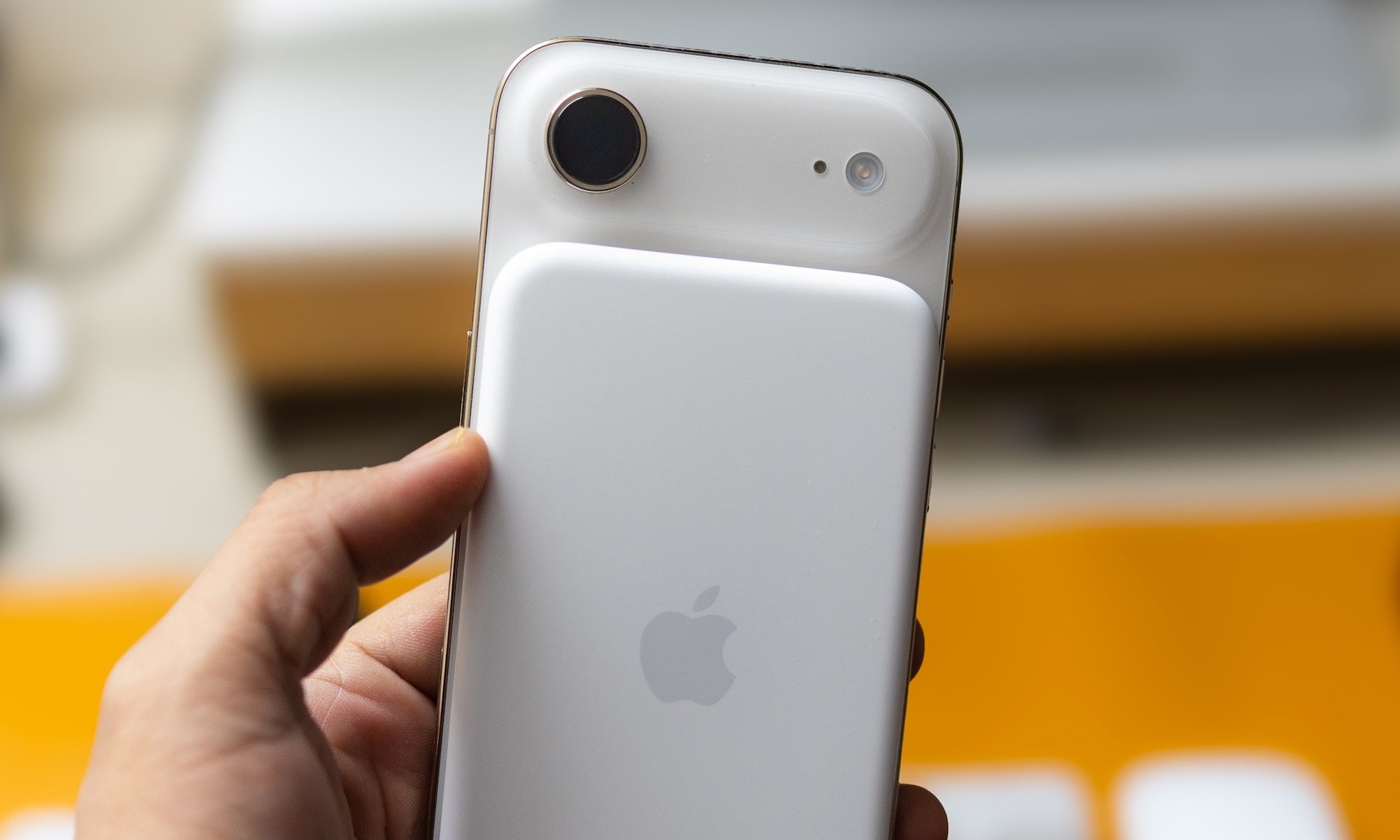
My iPhone use is mostly communication through chats and calls, reading, listening to music and podcasts, and a bit of browsing. For that kind of usage, the phone lasts a full day without issue.
I might feel a pinch on travel days, but Apple’s MagSafe battery pack handles that easily. It delivers an additional 70% charge, which is more than enough even for a heavier day of use.
The one thing I truly miss
Here’s the surprise. After six months, the one thing I genuinely miss is the telephoto camera. The main sensor is great. It captures beautiful photos, and the optical quality 2x crop works well for everyday shots. But it simply isn’t enough for telephoto photography.
Whether I am at a function trying to capture a candid moment or shooting landscape photos, the lack of a dedicated telephoto lens is a real limitation. Just last week, while traveling, I spotted a tree I wanted to photograph, but I couldn’t get close enough to the subject to make the shot work. A telephoto lens would have solved that instantly.
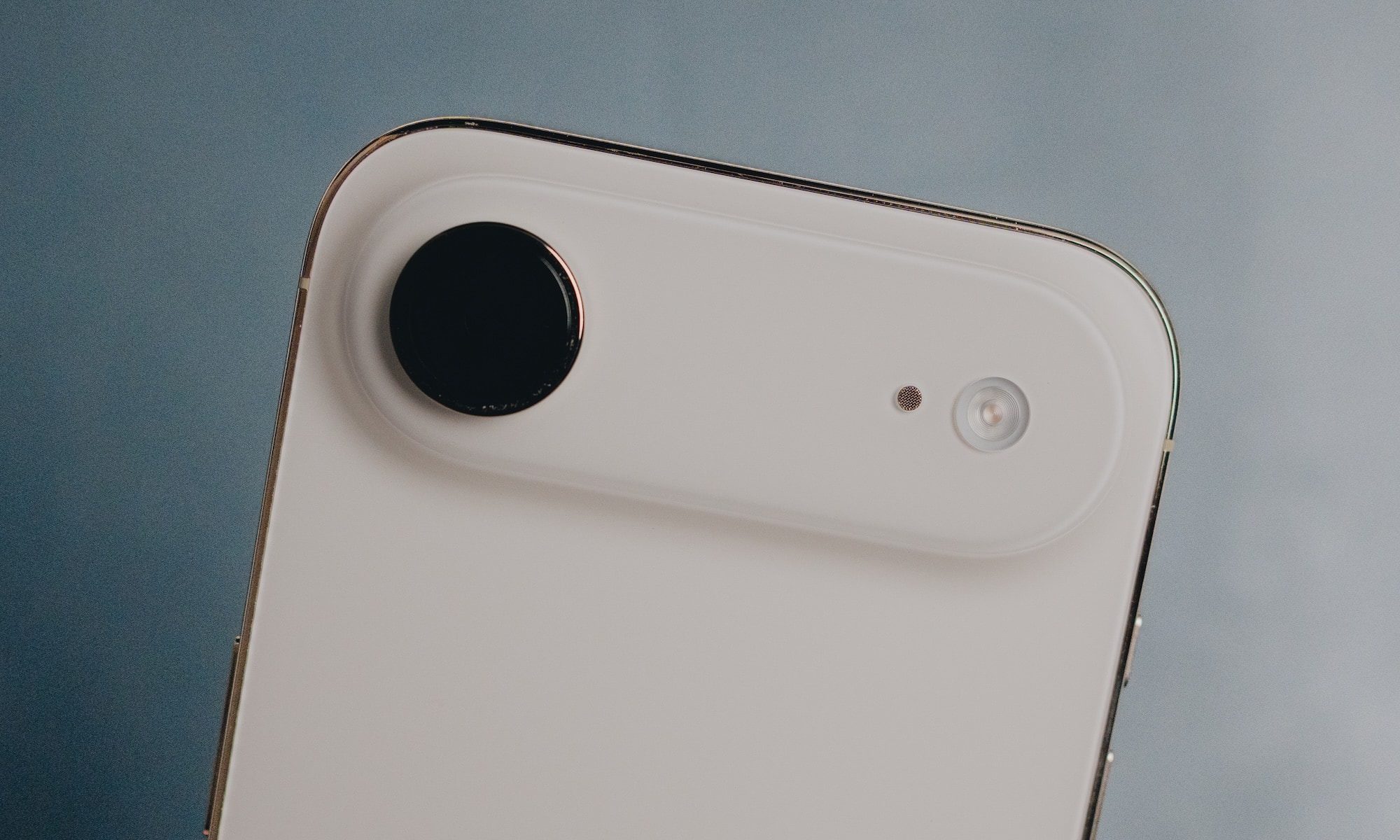
Over six months, this is the one compromise I keep running into. Rumors suggest the next iPhone Air will include a secondary camera. I genuinely hope it’s a telephoto and not an ultrawide. An ultrawide would be nice, but a telephoto would make the iPhone Air a nearly complete package for me.
If you can live without a telephoto camera, the iPhone Air is a fantastic phone. For most people, it probably is. For me, it’s the one thing I keep wishing Apple hadn’t left out.