For the longest time, I’ve thought of foldable phones as a solution in search of a problem. They’re expensive, fragile, and often feel like they’re trying too hard to justify their existence. While I’ve appreciated the engineering behind them, I never quite saw how they would improve my actual day-to-day life. To me, a regular slab phone just made more sense. Simpler, cheaper, and good enough for almost everything.
I was never too psyched about foldables
Part of that skepticism came from experience. I had tried flip-style foldables before, and they didn’t leave a great impression. The battery life on my Galaxy Z Flip 3 was a constant source of anxiety, the kind that makes you think twice before stepping out without a charger.
Then there was the Motorola Razr+ 2023, which I managed to break without even realizing how. After those two, I wrote off foldables as an interesting experiment, but one that wasn’t for me — for valid reasons.
What changed my mind
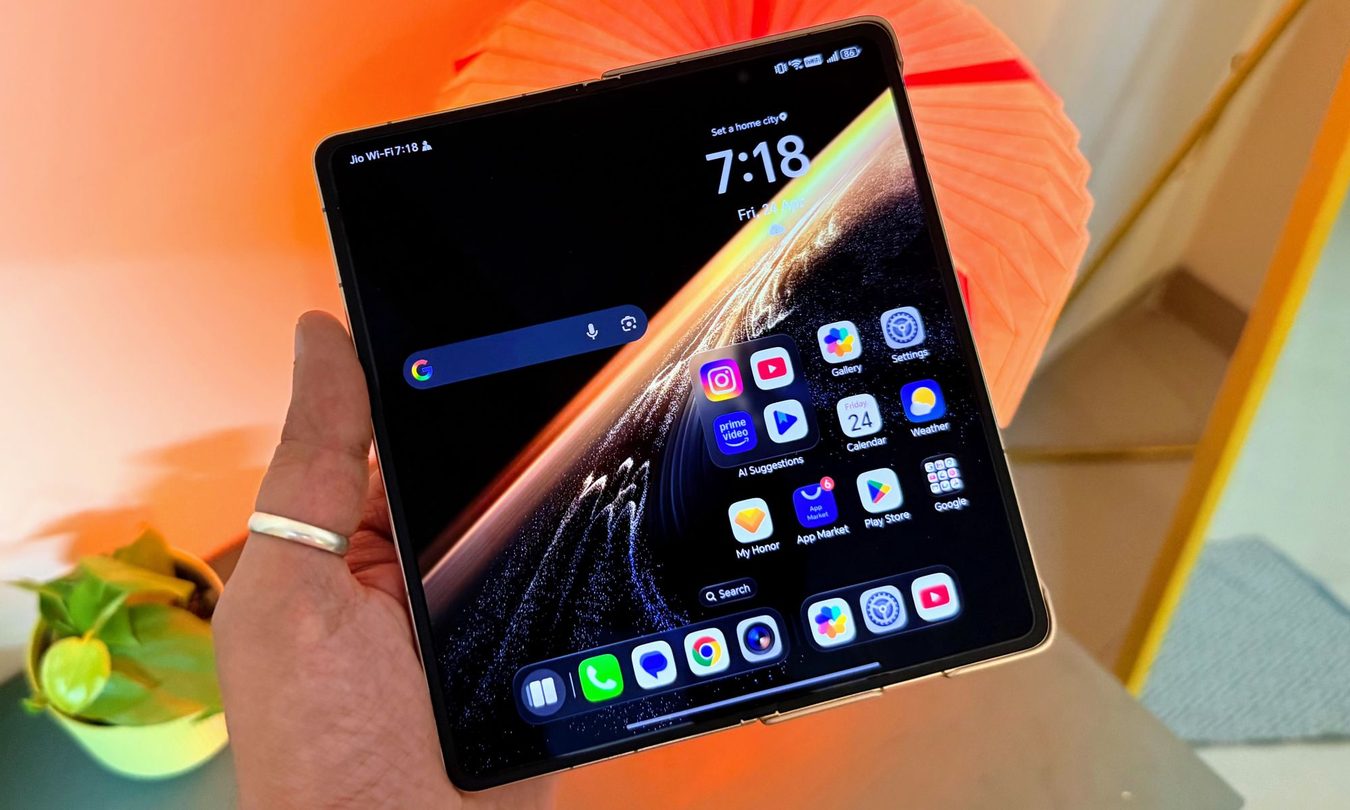
Well, it took a healthy few years of closely watching the technology evolve, plenty of back and forth with colleagues who are brave enough to use a foldable as a daily driver, and watching an unhealthy number of gnarly durability test videos. But the big shift happened when I finally made the leap, in person, and switched to a big, book-style foldable: the Honor Magic V6.
I went in expecting more of the same compromises, but it didn’t take long to change my mind.
It won me over in small ways. Reading was the first thing that clicked. I tend to read on my phone at odd hours, usually in short bursts that stretch longer than planned. On a regular phone, reading feels cramped. You scroll more than you should, and your eyes feel the strain sooner than you’d expect.
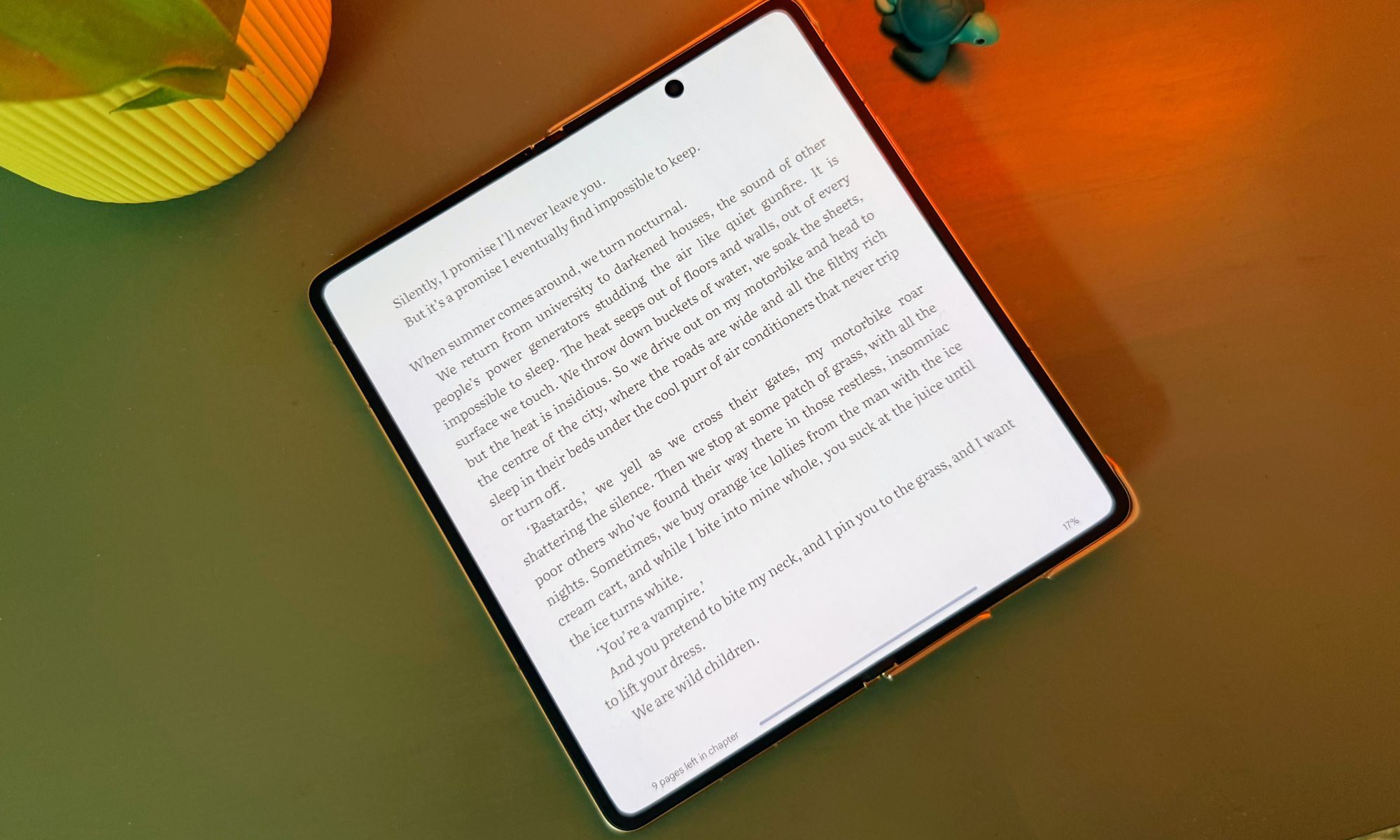
On the foldable, it just felt better. The larger inner display gives the text plenty of room to breathe, and the experience feels closer to holding a small book than staring into a narrow screen. I found myself reading for longer without really noticing, which is probably the clearest sign that the hardware was working for me.
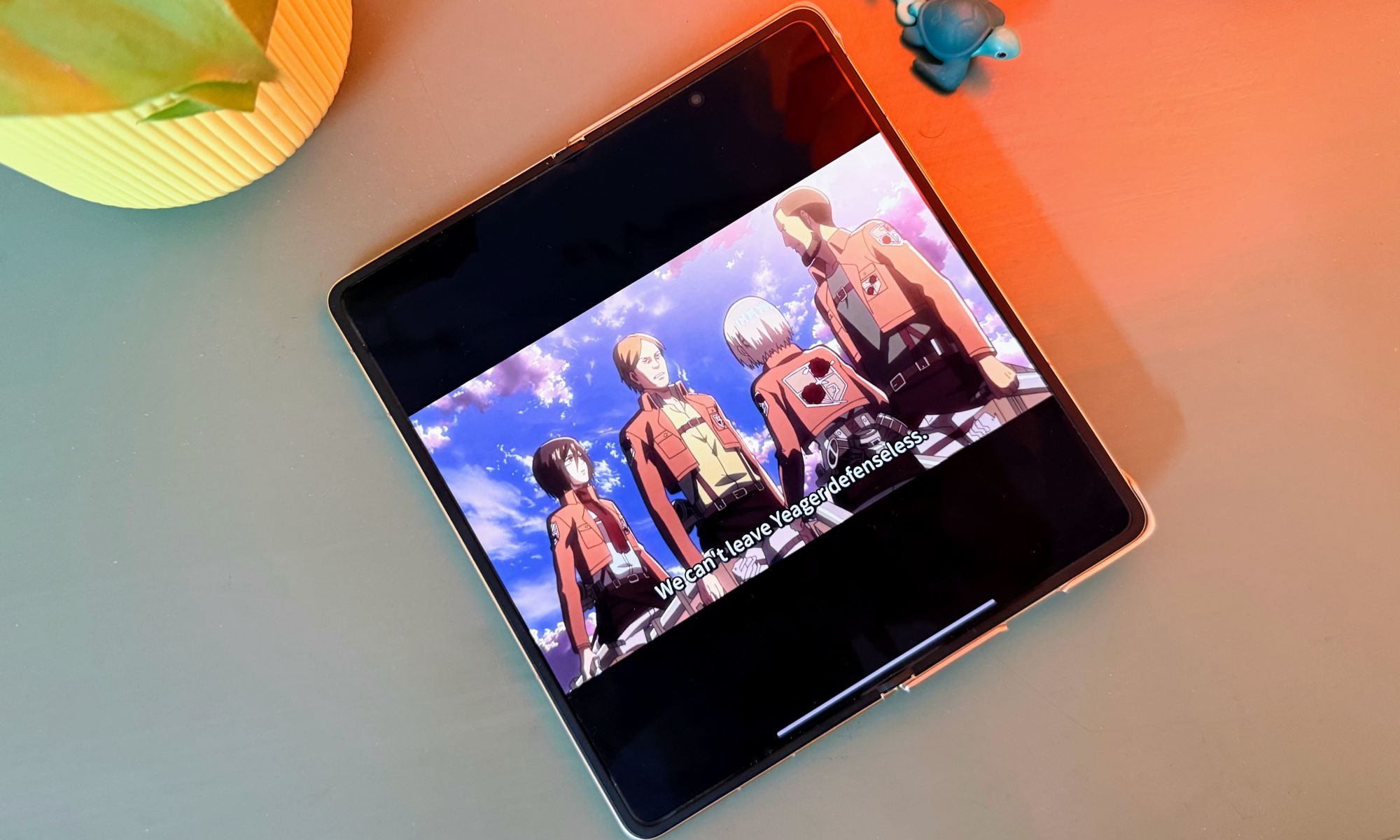
Video was the next shift. Granted, it’s not a replacement for a TV or even a good tablet, but it makes casual viewing feel less like a compromise. Frames feel less constrained, subtitles are easier to follow, and the whole experience is more immersive. Even with the inevitable black bars on some content, watching a movie on the large display felt significantly more enjoyable than on my iPhone 16 Pro.
It’s tough to pick “one feature to rule them all,” but for me, it was multitasking on a book-style foldable phone. This is where the phone stops feeling like a novelty. Running two apps side by side, or even three, feels genuinely useful.
The turning point
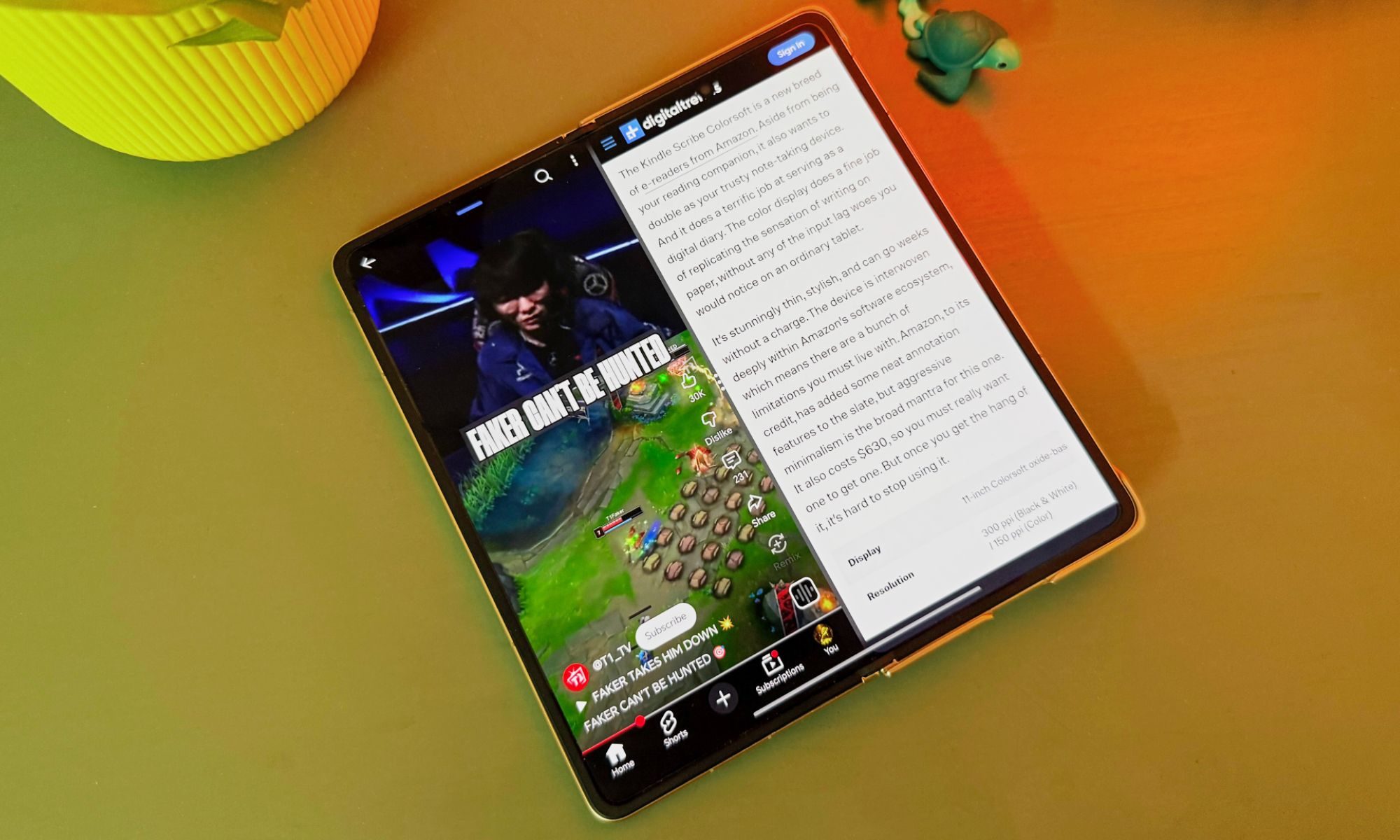
Messages on one side, a browser or document on the other. Notes open, while I read in the Kindle app. A video is playing tethered to the left edge, while I scroll through social media feeds and check the buzz around.
I’m switching apps less and staying in the flow more. While the phone hasn’t changed how I work on the go, it has made getting things done in the moment significantly less annoying.
The trade-offs are still real
All of this doesn’t mean my experience has been perfect. I still “baby” the device more than I’d like because of the price tag and the delicate inner screen. The crease is still noticeable, and app optimization can be inconsistent, especially in games where the UI doesn’t always scale properly. There are still moments when it feels like a phone UI stretched across a bigger canvas.
But despite the quirks, the core experience works. It makes the things I already do feel better. Going back to a regular phone now will feel like a step down, even if sticking with book-style foldables will cost me more than I would like. Fortunately, that’s a problem for future me.