  1. Home
  2. Phones
  3. Mobile
  4. News

Instacart wants its new app to be a must-have for parties

Add as a preferred source on Google
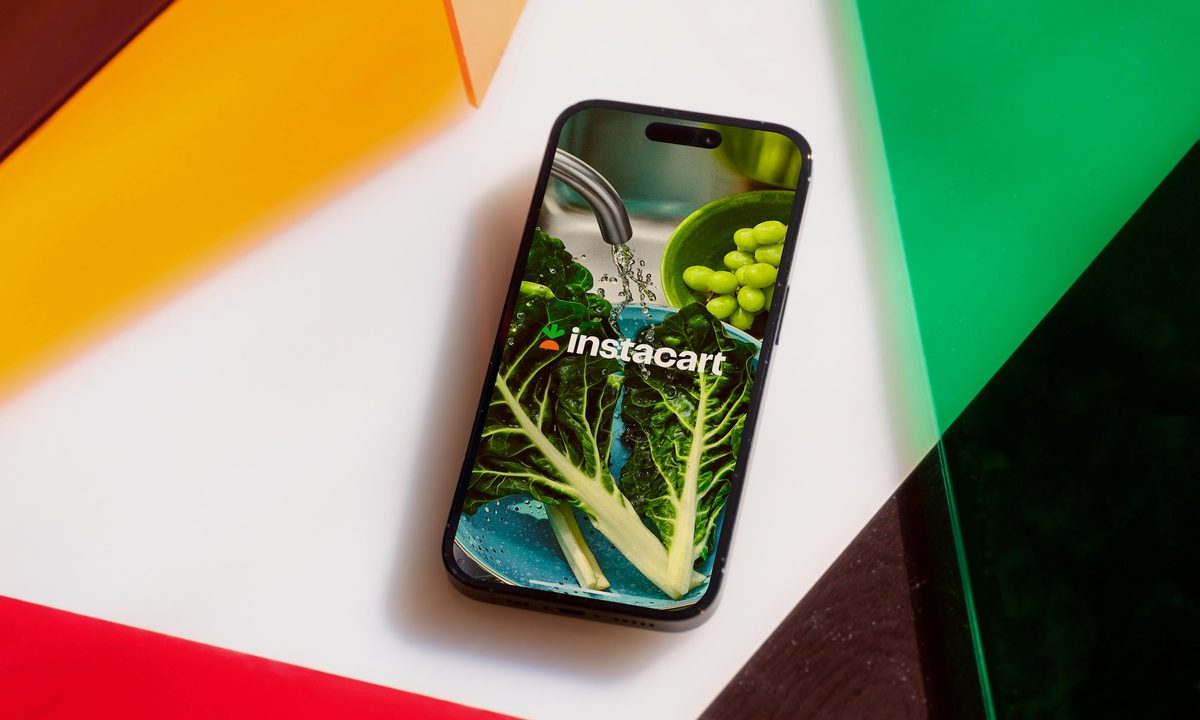
Instacart app on iPhone.
Bryan M. Wolfe / Digital Trends

Alexa, play “Don’t Stop The Party” by Pitbull for Fizz, the newest food-delivery app from Instacart. The grocery-delivery platform has launched the app it’s pushing to be a must-have for parties, especially parties hosted by Gen Z and Millennials 21 and older.

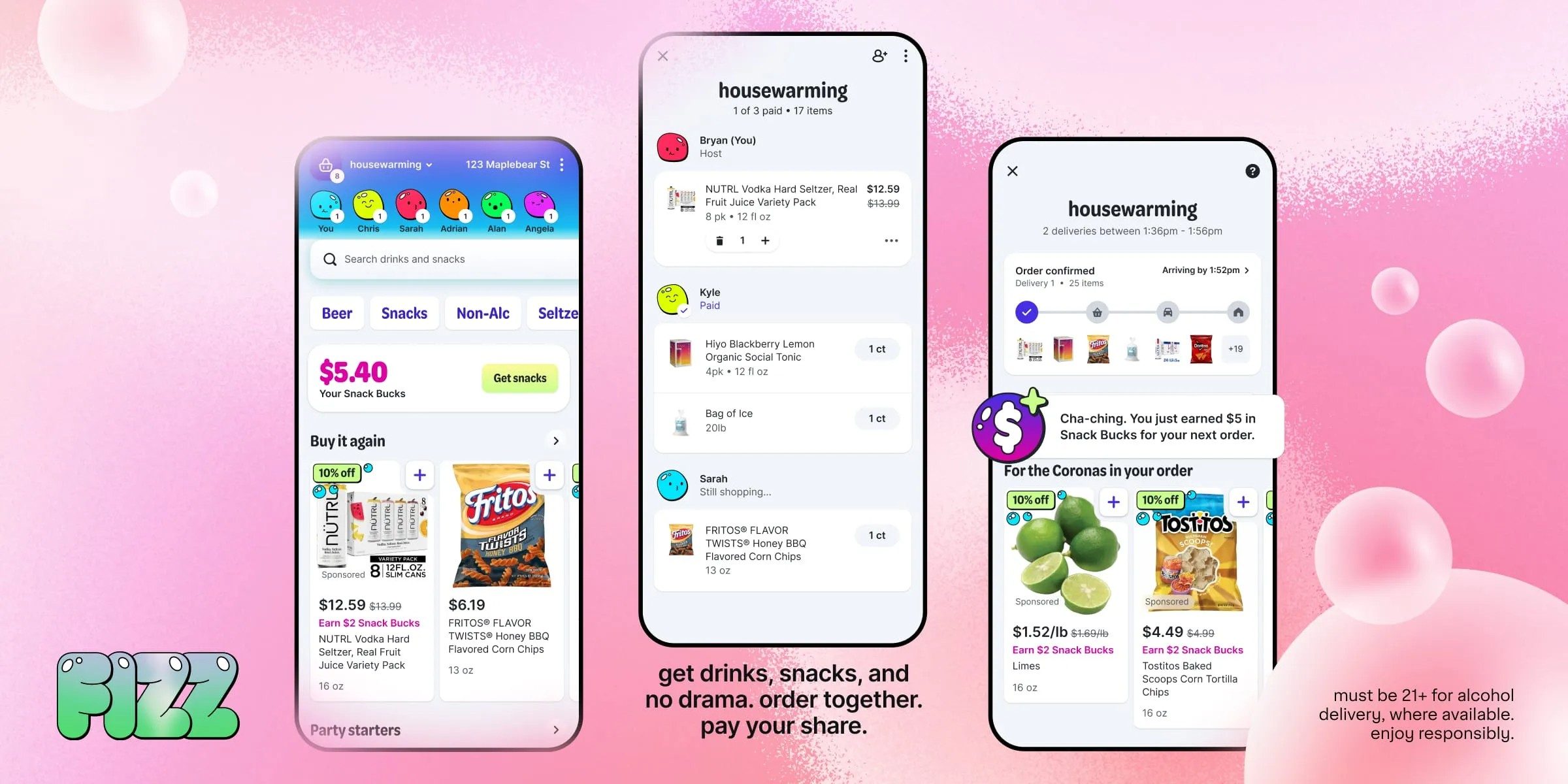
Instacart launched Fizz on Tuesday to make ordering drinks and snacks for parties and get-togethers a group effort. How that works is, if you’re hosting a party for any occasion, like the NBA Championship game, the Fourth of July, or Halloween, you can invite guests to your Fizz cart by dropping a link into your group chat and have each of them pay for their contributions to the party, such as chips, dip, soda, charcuterie meats, healthy snacks, beer, and non-alcoholic drinks. Once the cart is filled with everything you need, you can have those drinks and snacks delivered immediately or schedule the delivery for a certain time with a $5 flat delivery fee and then place the order. However, you need to show your ID to the delivery driver if your order actually includes alcohol.

Recommended Videos

Guests don’t need to have the Fizz app downloaded onto their phone to add food and drinks to the party cart. They also don’t need to choose which store to get the food from like Instacart does; the app chooses the best store that’s in close proximity to the party’s address. Buying drinks earns you coupons called “snack bucks,” allowing you to get discounts on future snack purchases.
According to a report from TechCrunch, Instacart’s chief product officer Daniel Danker said the idea for Fizz bubbled up after noticing a generational gap in the way people gather for social events. For example, Boomer and Gen X party hosts would pay for all the food they choose to serve, whereas Millennial and Gen Z party hosts split the cost among their friends and family and take everyone’s dietary needs (and restrictions) into consideration.

Fizz is only available to download in 30 states, including California Florida, Georgia, Hawaii, Massachusetts, Minnesota, New York, and Washington, as well as some parts of Louisiana, New Mexico, and Nevada. When the app will become available in the rest of the U.S. is currently unknown.

Cristina Alexander
Gaming/Mobile Writer
Cristina Alexander is a gaming and mobile writer at Digital Trends. She blends fair coverage of games industry topics that…
WWDC 2026: iOS 27, Siri AI, Apple Intelligence upgrades, and everything else
Apple stopped making promises at WWDC 2026 and started delivering: Siri AI, six OS updates, and Cook's farewell.
WWDC 2026 poster

Unlike most years, Apple’s WWDC 2026 carried more weight than usual, not just because it was Tim Cook’s final keynote as CEO, but also because it represented Apple’s chance at redemption after missing deadlines, mounting questions, and criticism about its ability to keep pace in the AI race. 

Fortunately, Apple answered many of those questions on June 8, 2026, unveiling an upgraded AI-powered Siri alongside a range of new Apple Intelligence features, while also raising a few fresh questions. WWDC was packed with announcements across six operating systems that underpin Apple’s ecosystem of devices. 

Read more
iOS 27 offers the clearest sign that a foldable iPhone is right around the corner
Resizable iPhone apps may be Apple’s first step toward a foldable iPhone
iPhone Ultra

Apple’s WWDC 2026 event was packed with major software announcements, including its new Siri AI experience, expanded child safety tools, and the latest operating system updates for its phones, Macs, and iPads. It was only a matter of time before someone dug out something interesting from the new software, and developer Sam Henri Gold might have just found the biggest clue yet that Apple is planning to launch a foldable iPhone soon.

iOS 27 is quietly preparing apps for a foldable future

Read more
Smartphones are to blame for declining birth rates, as studies highlight the iPhone’s role
Two new papers link smartphone adoption to falling birth rates in the US and across 128 countries, though some economists say the case remains unproven.
Electronics, Mobile Phone, Phone

The timing has long raised questions. Birth rates in the US and dozens of other countries began falling in 2007, the same year Apple put the first iPhone on sale. Two new academic papers, highlighted by The New York Times, now argue that the overlap is not a coincidence.

What the research found

Read more