
Apple’s latest mobile operating system, iOS 12, has been out for just shy of a year, and a staggering 88% of all active iOS devices are running it.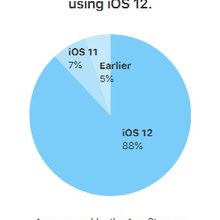
The Cupertino, California-based company frequently updates the number of devices running its OS, and the latest numbers based on App Store data claim that 88% of active iOS devices run some version of iOS 12. As you might suspect, that means there’s a hefty drop for the previous version, iOS 11. Only 7% of active devices are running Apple’s previous OS, and a paltry 5% run a version of iOS older than that.
This continues to be great news for Apple, which had managed to update 50% of all active iOS devices to iOS 12 within a month of release. This new data proves Apple hadn’t peaked too soon, and is more than capable of sustaining upgrades across time. It helps that iOS 12 is compatible with the largest range of Apple devices ever, of course. The update was even available for the then 5-year-old iPhone 5S.
It means iOS 12 will be able to end on a high, as it will soon be replaced by iOS 13. Apple’s latest version of its mobile operating system is currently in public beta, and promises to bring a wealth of new features to compatible iPhones and iPods. There’s the usual performance improvements, but the most exciting additions include a new systemwide dark mode, a swipe-type keyboard, improved video-editing tools, and much more.
Keen-eyed users may have noticed we didn’t mention iPads back there — and that’s because iOS 13 sees the end of a combined iOS for iPhones and iPads. Starting with iOS 13, iPads will enjoy their own specialized version of the mobile OS, called iPadOS. While the two operating systems will share many features, iPadOS will feature a number of special features just for tablets, including mouse support, a new home screen, and windowed support for apps.
Both iOS 13 and iPadOS are expected to arrive in fall 2019. Expect a large number of devices to update to it as soon as it arrives. Apple maintains tight control over its operating system and hardware, which allows the company to see high adoption rates of its latest software. Google’s Android version updates, on the other hand, have to be released by a myriad of manufacturers and by carriers if the device is locked — a process which tends to lead to slow adoption of the latest OS version.
Updated on August 8, 2019: We’ve updated this article with the latest iOS distribution numbers.


