Apple has spent the better part of the last year looking like the most composed player in a room full of people setting their own furniture on fire. While Microsoft was hiking Surface prices to genuinely eye-watering levels and Chinese OEMs were watching their flagship ambitions evaporate under the weight of component costs, Apple held the line — a quiet confidence that felt almost theatrical. It was impressive while it lasted.
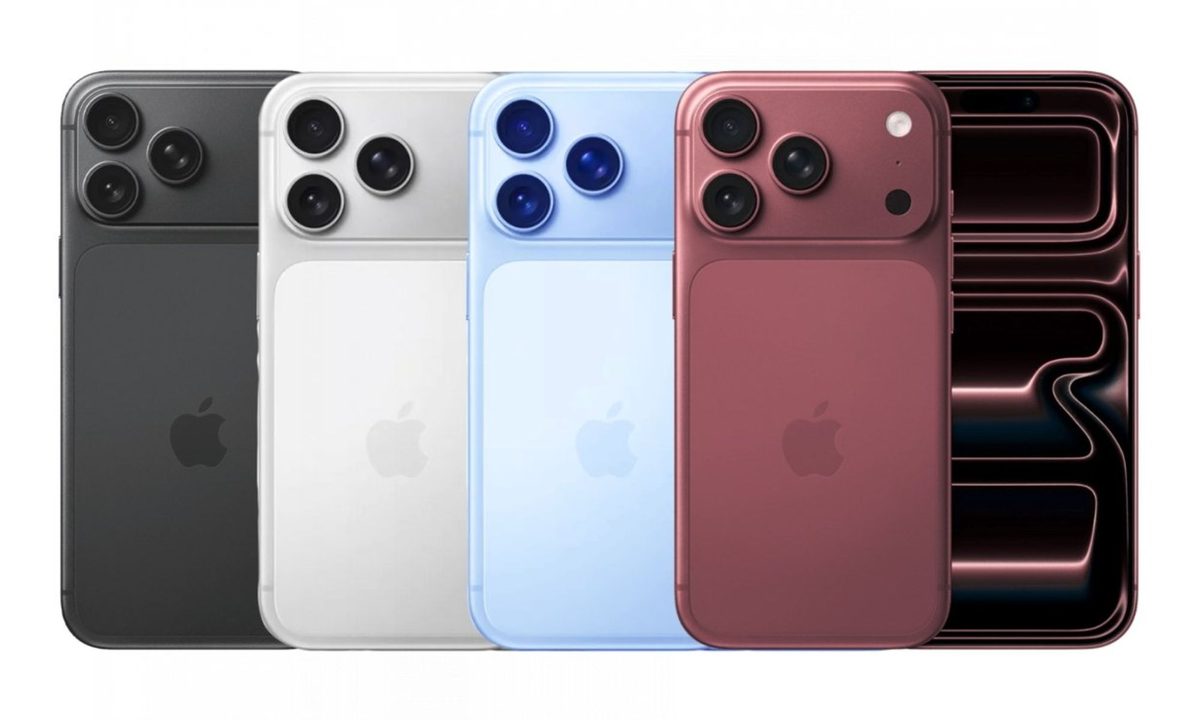
It just didn’t last long enough. Morgan Stanley analyst Erik Woodring is now calling it: the iPhone 18 lineup will likely cost $100 more than the iPhone 17 generation across equivalent models. Apple itself telegraphed as much at its most recent earnings call, acknowledging that memory costs are heading substantially higher and that the company will need to act to protect its margins. The only real question was always how, not whether.
Apple’s price freeze was never a permanent strategy
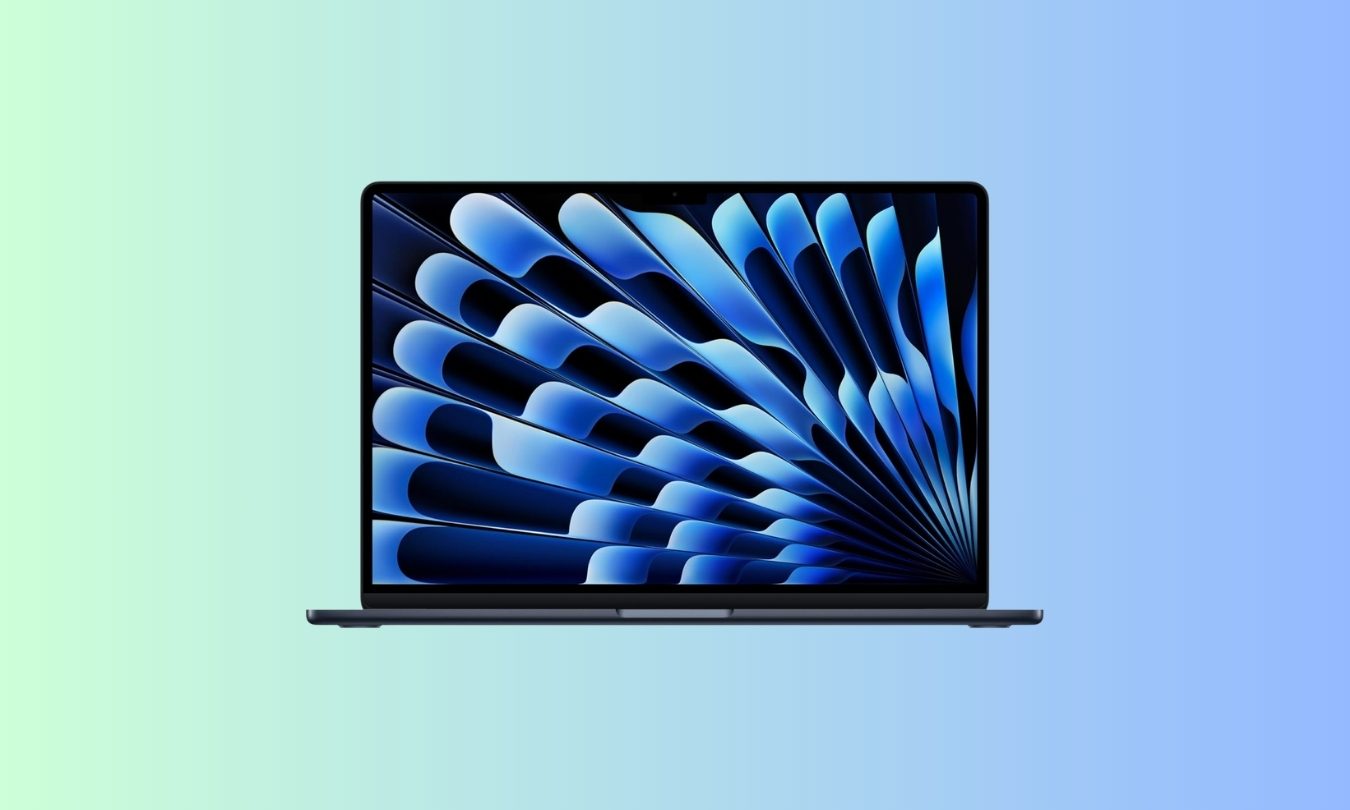
When Apple chose to absorb cost pressures rather than pass them on, it was being strategic. The MacBook line is the clearest illustration of this. The 13-inch M4 MacBook Air currently starts at $999. Microsoft’s comparable 12-inch Surface Pro starts at $1,049, up from $799 just a few months ago. At the high end, the gap is even starker. Apple’s 16-inch M5 Pro MacBook Pro with 64GB of RAM and a 1TB SSD costs $3,299; the equivalent Surface laptop configuration costs $3,649. Apple won by not flinching when Microsoft did.
The Mac mini move told a similar story. Rather than raise the price of the base 256GB M4 model, Apple simply discontinued it. The strategy has been consistent and deliberate. But memory costs don’t care about strategy. At some point, the economics just stop cooperating.
A $100 increase hurts, but Apple’s competitive position is probably fine
A $100 hike on the iPhone 18 does not fundamentally change where Apple sits relative to its competition. Samsung has been nudging Galaxy S prices upward for years, often without offering anything that justifies the increase. Some Chinese manufacturers are reportedly staring down bill-of-materials costs approaching $917 on their Ultra-tier flagships, which means their pricing headroom is essentially gone, and some of those devices may not even ship in certain markets.

Apple raising prices by $100 while its competitors raise by more, or cancel products entirely, is still a relative win. The broader story here is really about the limits of supply chain dominance. Apple has spent years building a position that allows it to absorb shocks that would cripple a less vertically integrated company. That position hasn’t disappeared. But even the most disciplined player in the market can only hold back rising input costs for so long before the wall arrives. For Apple, that wall appears to have a memory chip logo on it.