Well folks, the new Lenovo Moto Z2 Force is finally here, and it’s shaping up to be an excellent choice for one of the smartphones for the year. The phone boasts a few upgrades over last year’s Moto Z Force, including the latest and greatest Qualcomm processor, the Snapdragon 835. Of course, there are plenty of other great phones out there. Like, for example, Google’s current flagship, the Google Pixel XL.
It’s a bit of a case of new vs. old here. The Pixel and Pixel XL were launched late last year, and at the time the new Qualcomm chip hadn’t even been released yet. Still, many consider it to be the best Android phone money can buy, thanks to its excellent software experience. Is the new Lenovo Moto Z2 Force enough to take on Google’s champion? We put the two phones head to head to find out.
Specs and performance
|
Lenovo Moto Z2 Force  |
Google Pixel XL  |
|
| Size | 155.8 x 76 x 6.1 mm (6.13 x 2.99 x 0.24 inches) | 154.7 × 75.7 × 8.5 mm (6.09 × 2.98 × 0.33 in) |
| Weight | 5.04 ounces (143 grams) | 5.92 ounces (168 grams) |
| Screen | 5.5-inch AMOLED | 5.5-inch AMOLED |
| Resolution | 2,560 x 1,440 pixels (534ppi) | 2,560 × 1,440 pixels (534ppi) |
| OS | Android 7.1.1 Nougat | Android 7.1.2 Nougat |
| Storage | 64GB | 32GB or 128GB |
| SD Card Slot | Yes, up to 256GB | No |
| NFC support | Yes | Yes |
| Processor | Qualcomm Snapdragon 835 | Qualcomm Snapdragon 821 |
| RAM | 4GB | 4GB |
| Connectivity | GSM / HSPA / LTE | GSM / HSPA / LTE / CDMA |
| Camera | Front 5MP, rear dual 12MP | Front 8MP, Rear 12.3MP |
| Video | 4K | 4K |
| Bluetooth | Yes, version 4.2 | Yes, version 4.2 |
| Fingerprint sensor | Yes | Yes |
| Other sensors | Gyroscope, accelerometer, ambient light, proximity sensor | Gyroscope, accelerometer, compass, barometer, proximity sensor |
| Water Resistant | No | No |
| Battery | 2,730mAh | 3,450mAh |
| Charger | USB Type-C | USB Type-C |
| Quick Charging | Yes | Yes |
| Wireless Charging | No | No |
| Marketplace | Google Play Store | Google Play Store |
| Colors | Black, gold, grey | Black, silver |
| Availability | Unlocked, AT&T, Sprint, T-Mobile, Verizon | Buy Now , Verizon |
| Price | Starts at $720 | Starts at $770 |
| DT Review | Hands-on | 4.5 out of 5 stars |
Generally speaking, newer flagships are almost always better — and that’s the case when it comes to the raw performance of these two phones. The phones both offer 4GB of RAM, which is certainly enough for most uses today, a boon for those who do a lot of multitasking. The real difference between the performance of these two phones, however, isn’t in how much RAM they have — it’s in the processor.
Now, the Qualcomm Snapdragon 821 is a great chip, and it was the go-to when the Google Pixel and Pixel XL were first launched late last year. Now, however, we simply have better chips, and the current flagship is the Snapdragon 835, which is the chip that features in the Moto Z2 Force. Basically, the Moto Z2 Force will be able to perform better for longer than the Pixel XL, and you’ll be able to use it for longer as apps and software get more and more complex.
When it comes to storage, things are a little more complicated. The U.S. variant of the Moto Z2 Force only comes with 64GB of storage — but the phone does have a MicroSD card slot to expand upon that storage if you so choose. The Google Pixel comes with either 32GB or 128GB of storage, but there’s no MicroSD card slot.
Because of the simple fact that the Moto Z2 Force has the Qualcomm Snapdragon 835 processor, we’re awarding this one to the Lenovo Moto Z2 Force.
Winner: Lenovo Moto Z2 Force
Design, display, and durability

The design of these two phones is relatively different. The Google Pixel XL, for starters, features a pretty basic smartphone shape with a half-glass back and a fingerprint sensor located a quarter of the way down. It’s not a bad look, but it’s certainly a bit basic.
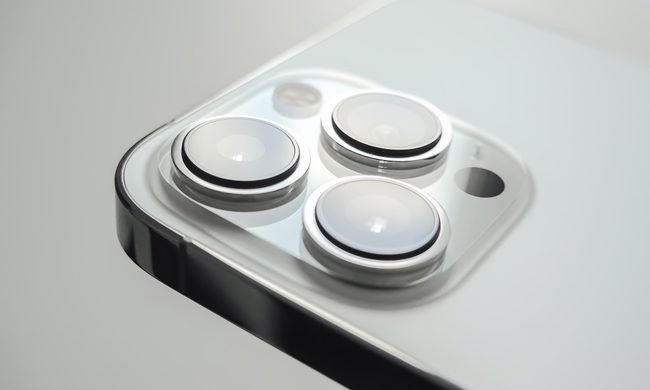
The Lenovo Moto Z2 Force is a little more unique, featuring a slim design and a large, pronounced camera module on the back of the phone. That camera module plays into Moto Mods, or modules that magnetically attach to the back of the phone and can be used to expand on the phone’s capabilities. Mods include the likes of a Hasselblad camera mod, an extra battery mod, and so on. You can check out a list of the best Moto Mods here.
There’s another design choice that separates these two phones, and that’s the headphone jack. While the Google Pixel XL sticks with the headphone jack, Lenovo has chosen to follow the likes of Apple by getting rid of the jack.
The display of the two phones is also an important aspect to consider — though it’s not really a point of difference here. Both phones feature 5.5-inch AMOLED displays with a resolution of 2,560 x 1,440.
Last but not least is durability, and the Lenovo Moto Z2 Force seems to be slightly more durable thanks to Lenovo’s “ShatterShield” screen. While it’s largely shatter-proof, however, it’s much more prone to scratches because there’s a plastic covering.
There’s no real winner here. Design is down to personal preference, and while some might like the thinner profile and ShatterShield screen of the Lenovo Moto Z2 Force, others might prefer the headphone jack in the Google Pixel XL.
This one’s very close, but thanks to its metal back and ShatterShield display, the Lenovo Moto Z2 Force is a little more durable than the Google Pixel XL, making it the winner here.
Winner: Lenovo Moto Z2 Force
Battery life and charging

Lenovo has made the choice to slim down the Moto Z2 Force, but the trade-off for that is a smaller battery. In fact, the device sits in with a battery capacity of 2,730mAh, which is quite a bit smaller than the battery in the Google Pixel XL, which is rated at 3,500mAh. That should represent a nice battery life boost, especially considering the fact that both of the two phones feature the same size and resolution display.
So what about charging? Well, both phones support a fast charging technology of some kind, so they’ll both charge pretty quickly. Still, because of the much larger battery in the Pixel XL, it’s the winner here.
Winner: Google Pixel XL
Camera

The camera on the Lenovo Moto Z2 Force has received a pretty significant upgrade over last year’s Lenovo Moto Z Force, but the Google Pixel XL has what has been described as one of the best cameras in a smartphone, ever. The camera on the Pixel XL has 12.3-megapixels with an aperture of f/2.0 and electronic image stabilization, phase detection autofocus, and laser autofocus. The front-facing camera on the device sports 8-megapixels.
The Lenovo Moto Z2 Force, on the other hand, doesn’t have a bad camera itself. In fact it has a feature that the Pixel doesn’t — a dual sensor camera. That can be pretty helpful for some people and in some situations. Dual sensor technology has been getting better and better, and it helps make for great portraits, excellent depth-of-field, and so on. Still, plenty of phones have really missed the mark with dual sensors, so we’ll have to wait and see how the Lenovo Moto Z2 Force ends up performing. Apart from the dual sensor, the Moto Z2 Force offers an f/2.0 aperture, laser and phase detection autofocus, and manual controls like ISO control.
Considering we only have specs on paper right now for the Lenovo Moto Z2 Force, this one’s a tie.
Winner: Tie
Software

Moto-branded phones have long offered near-stock Android experiences, and the Lenovo Moto Z2 Force looks to be no different. That’s a good thing, and basically means that there might not be all that much difference between the experience on the Moto Z2 Force and the Google Pixel XL.
Still, there is an important factor that the Pixel XL has over the Moto Z — quick updates. As a Google-built phone, the Pixel XL gets software and security updates pretty much as soon as they’re available, making the Pixel one of the more secure phones on the market. Lenovo hasn’t been terrible with security updates, but it still can’t compete with the Pixel.
Winner: Google Pixel XL
Price and availability
The Google Pixel XL has been available for quite some time now, and can be bought from the Google Store, Best Buy, or from Verizon. The phone starts at $769, though if you opt for the 128GB version, you’ll have to pay an extra $100.
The Lenovo Z2 Force is available at all four major U.S. carriers along with Best Buy, starting at $30 per month — depending on which carrier. If you get it directly from Lenovo, it’ll cost you $720. Buy it from a carrier, however, and you could be spending a bit more. For example, from Verizon the phone costs $756 to buy outright.
The Lenovo Moto Z2 Force may be a little more available than the Google Pixel XL, but to buy the phone unlocked, the Pixel XL is cheaper. This one’s a tie.
Winner: Tie
Overall winner: Tie
The two phones are very close competition here — and while they tie in many areas, each device wins a few of its own. So which device should you go for? Well, that depends.
Those looking for the latest and greatest smartphone technology with a top-tier processor should go for the Lenovo Z2 Force. If, however, you’re more interested in a simple software experience with quick updates, then the Google Pixel XL might be the better option for you. Even six months after its release and with an aging processor, the Google Pixel XL is still able to hold its own against new releases — which says a lot about the effort Google has put into making a great smartphone experience.
Update: Added availability info for Motorola Z2 Force