  1. Home
  2. Phones
  3. Mobile
  4. News

A new FCC rule could make your phone carrier way less annoying

Add as a preferred source on Google
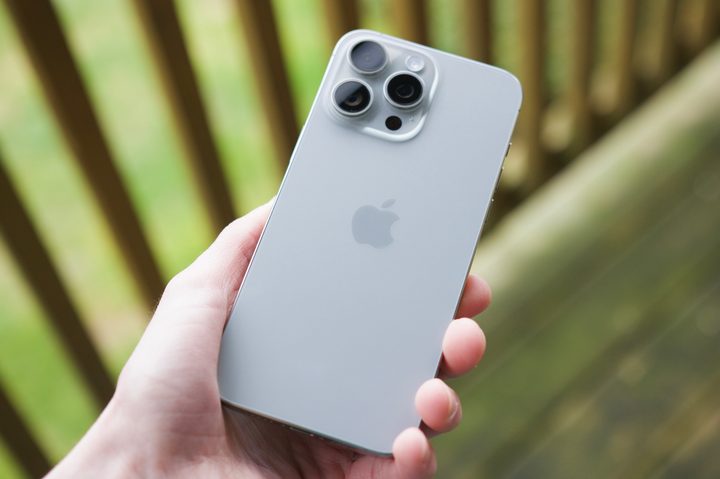
Someone holding an iPhone 15 Pro Max outside on a patio, showing the back of the Natural Titanium color.
Joe Maring / Digital Trends

The U.S. Federal Communications Commission (FCC) has proposed a new rule that could eliminate one of the most frustrating aspects of smartphone ownership: carrier locking. FCC Chairwoman Jessica Rosenworcel wants to require mobile providers to unlock customers’ mobile phones within 60 days of activation, making it easier for consumers to switch providers.

The proposal, which will be discussed at the commission’s July 18 meeting, aims to help consumers by establishing universal unlocking requirements for mobile service providers. Carrier locking serves two purposes: deterring theft and encouraging customer retention, as a locked phone cannot be connected to another carrier.

Recommended Videos

Right now, carriers in the U.S. take different paths when it comes to mobile phone unlocks.

AT&T and T-Mobile lock all their phones until the customer pays them off. In contrast, Verizon locks phones for 60 days and automatically unlocks them. Other carriers also lock their phones until a set number of days have passed or until the phone is paid off.

T-Mobile 5G nationwide network advertisement.
Alex Tai / Getty Images

In announcing her proposal, Rosenworcel explains: “When you buy a phone, you should have the freedom to decide when to change service to the carrier you want and not have the device you own stuck by practices that prevent you from making that choice.”

It will be interesting to see where this proposal goes and how it will ultimately affect the purchase of future smartphones, such as the upcoming iPhone 16 and Google Pixel 9 lineups.

During the July meeting, the FCC may consider adopting a Notice of Proposed Rulemaking to gather input from stakeholders about the proposal. After this, a new rule could be enacted and implemented.

Bryan M. Wolfe
Former Mobile and A/V Freelancer
Bryan M. Wolfe has over a decade of experience as a technology writer. He writes about mobile.
Instagram could soon let you watch Reels while offline with automatic downloads
A new leak suggests Instagram is working on automatic downloads for Reels, which could let you continue your binge even without an internet connection.
Instagram and YouTube

Instagram could soon let users continue their Reels binge even when they're offline. A new leak suggests the app is working on automatic downloads for short-form videos, a move that would bring it closer to YouTube, which already allows offline viewing of Shorts.

What is Instagram working on?

Read more
Android 17 will let apps get the best out of your phone’s camera chops
A new vendor-defined extension system could bring advanced camera features like Super Resolution to your favorite third-party apps.
Android 17 logo.

Android 17 is shaping up to be quite an important update, especially if you care about camera quality across apps. Google is introducing a new way for phone makers to extend their custom camera features system-wide, which could finally close the gap between stock camera apps and third-party ones.

How is Android changing camera access for apps?

Read more
Google is preparing a priority charging feature for phones for rush scenarios
A hidden Android 17 feature appears built for quick top-ups, while keeping calls and texts flowing.
Electronics, Mobile Phone, Phone

Google is working on a priority charging feature designed for moments when you need power quickly. The option, uncovered in Android 17 beta code by Android Authority, focuses on boosting usable battery in a short window without shutting down core phone functions.

Instead of pushing higher charging speeds, the system shifts power toward the battery by dialing back background activity. Calls and texts still come through, but less critical processes pause so more energy goes into charging.

Read more