  1. Home
  2. Phones
  3. Mobile
  4. News

OnePlus 10 Pro’s global launch is still a couple months away

Add as a preferred source on Google

Potential global customers of the OnePlus 10 Pro will have to wait for another couple of months to get their hands on the device. The OnePlus 10 Pro flagship technically launched recently, but it is limited to China and hasn’t yet reached any of the company’s global markets, including the United States. The device is expected to go global by the end of March, which is still a few weeks away.

According to a report from 91Mobiles, the OnePlus 10 Pro has entered private testing in India and Europe. With the 2022 flagship, OnePlus is taking a new approach to launching its devices. Up until now, the company has announced and rolled out its recent flagships in the global markets alongside the China announcement. However, the OnePlus 10 Pro is seeing a new Oppo-style approach of having a staggered release of both details and devices.
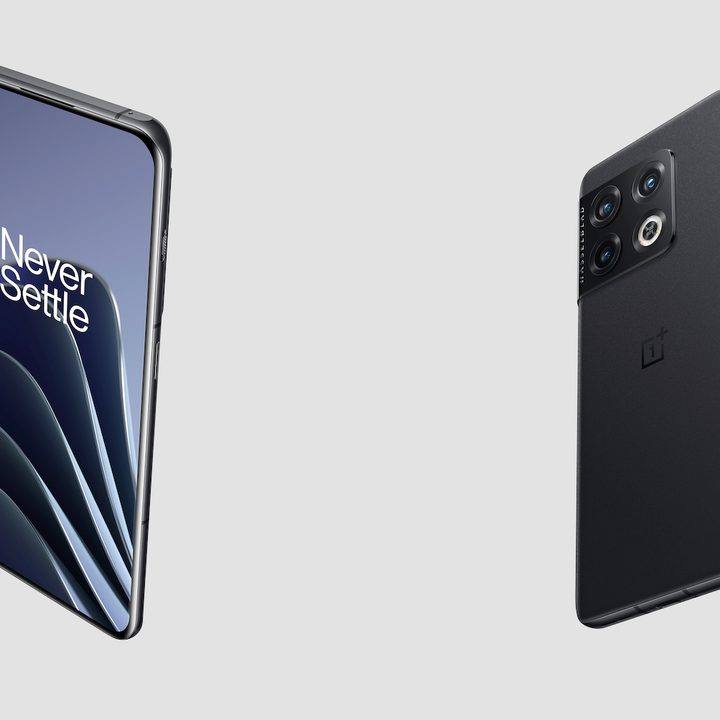
The OnePlus 10 Pro in the Volcanic Black color.
Image used with permission by copyright holder

The OnePlus 10 Pro features a 6.7-inch 2K Fluid AMOLED LTPO 2.0 display, which comes with a 120Hz refresh rate, Corning Gorilla Glass Victus, and a hole-punch selfie shooter. It also boasts Dolby Atmos, an in-display fingerprint sensor, His-Res audio, and an alert slider. The smartphone runs on a Qualcomm Snapdragon 8 Gen 1 chipset, paired with up to 12GB LPDDR5 RAM and 256GB UFS 3.1 storage.

Recommended Videos

The OnePlus 10 Pro sports a triple rear camera setup featuring a 48-megapixel primary sensor, a 50MP secondary lens, and an 8MP third lens. You also get a 32MP selfie camera. The device packs a 5,000mAh battery with 80-watt SuperVOOC wired fast charging, 50W AirVOOC wireless charging, and reverse charging support. It runs Android 12 OS with ColorOS 12.1 out of the box in China.

Price details are still unknown, but we expect to have more information on that closer to the global launch.

Prakhar Khanna
Prakhar Khanna is an independent consumer tech journalist. He contributes to Digital Trends' Mobile section with features and…
Fitbit is becoming Google Health, and it’s getting a bunch of wellness upgrades
Google is finally treating health tracking as a platform play, pulling in medical records, third-party fitness data, and AI coaching in a way that Fitbit's standalone app was never built to handle.
New Google Health app.

Google is officially pulling the plug on the Fitbit app, replacing it with the new Google Health app on May 19, 2026. It is quite ironic, as the company just announced a new Fitbit Air screenless fitness tracker, but the change will take place via an OTA update. 

This is happening after Fitbit’s fifteen-year run, wherein it gathered millions of fitness-focused users and provided them with various health trackers and meaningful insights via its software. 

Read more
Google’s Fitbit Air is a screenless $99 Whoop rival, and its core features don’t need a subscription
The real competitive edge Fitbit Air has is that Google separated the hardware cost from the subscription entirely, giving users something Whoop never has: a choice about whether to pay monthly at all.
Fitbit Air in all the colors.

Google just made its most serious moves yet into the fitness tracker market. The maker of the Pixel Watch has officially unveiled the Fitbit Air, a screenless health band priced at $99.99. Unlike Whoop, which locks all the fitness data behind a paywall, Fitbit Air’s core health-tracking features will remain free. 

Currently available for pre-orders, the device will start shipping across 21 countries starting May 26, 2026. You can get the tracker in four Pixel-like colors, including Obsidian, Lavender, Fog, and Berry, and choose from three different strap styles: Performance Loop, Active Band, and Elevated Modern Band. 

Read more
Android boss shoots down a Liquid Glass copyjob on Pixels, and that’s a relief
While many Android OEMs have already copied iOS 26's aesthetic, Google says Pixels are staying the course.
Image showing the UI design similarity between iPhone 16 Pro and Honor 600 Pro.

Google's president of the Android Ecosystem has shut down speculation that Android will adopt Apple's Liquid Glass design language, at least on Pixel devices. In response to a mockup of Liquid Glass on a Pixel 11 posted on X, Sameer Samat said, "Not happening. Y'all are wild." The response is welcome news for Android fans who have watched a wave of manufacturers copy Apple's aesthetic over the past year.

Several Android OEMs have already taken the bait

Read more