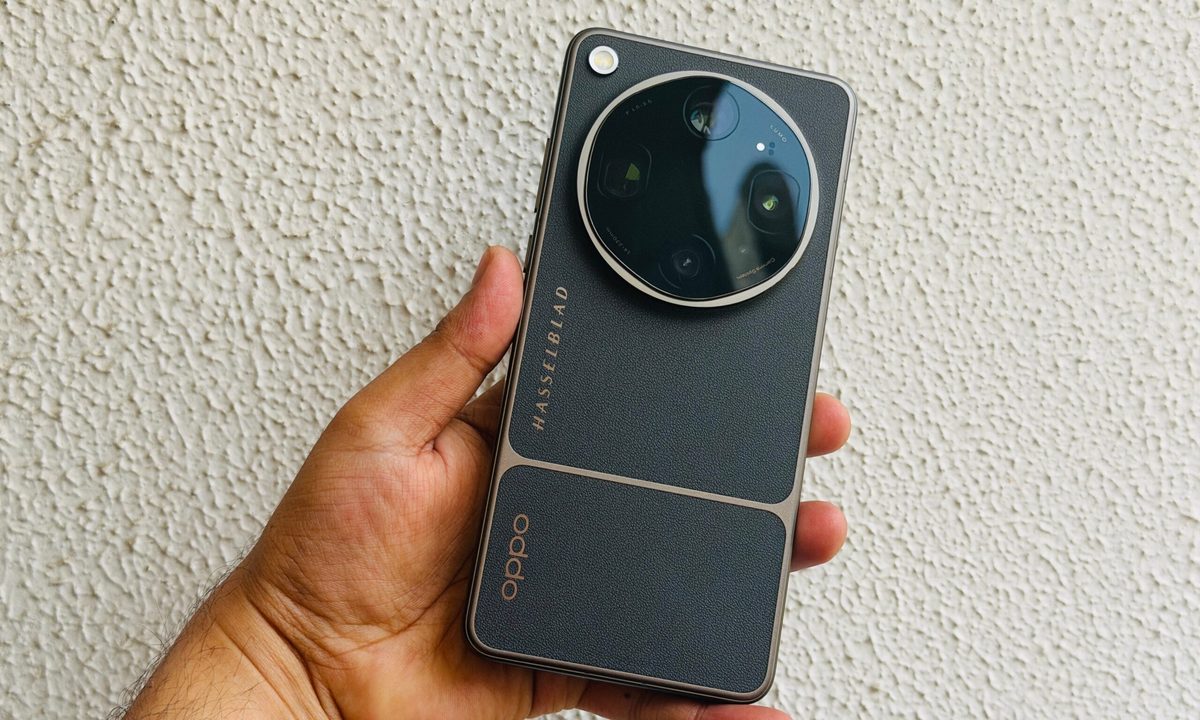
Oppo has launched the Find X9 Ultra, and on the surface it looks like exactly the kind of phone you would expect an Ultra flagship to be in 2026. It has the huge high-end display, the newest Snapdragon chip, a massive battery, fast wired and wireless charging, strong durability ratings, and all the AI-flavored software extras that now come bundled with premium Android phones by default. In other words, the basics are covered, and then some.
But where the Find X9 Ultra really sticks out is with the photography. Oppo isn’t playing the same camera game as everyone else. While Apple, Samsung, and Google have been refining already-solid formulas, Oppo seems to have gone in the other direction and built something much more aggressive.
Here’s the “boring” stuff first
The Find X9 Ultra packs a 6.82-inch 144Hz QHD+ AMOLED panel that can hit 3,600 nits in HDR while dimming all the way down to 1 nit for low-light use. Oppo also says its Display P3 Pro chip and upgraded luminescent materials help improve color accuracy, reduce power draw, and cut motion blur.
Under the hood, it uses Qualcomm’s Snapdragon 8 Elite Gen 5, backed by an advanced vapor chamber and Encapsulated Thermal Unit to keep sustained performance in check, even during heavy tasks like 8K recording.
Battery life should not be a problem either, because Oppo has stuffed in a 7,050mAh silicon-carbon battery, with 100W wired SUPERVOOC and 50W wireless AIRVOOC charging. Add IP66, IP68, and IP69 protection, and this is very clearly a top-tier flagship before you even get to the cameras.
Oppo’s latest flagship runs on the Android 16 OS based ColorOS 16 custom skin, which brings new Live Space notification capsule, AI Mind Space for capturing and organizing on -screen info, AI Bill Manager, and a bunch of other AI-powered tools. There is also a three-month Google AI Pro subscription in the mix.
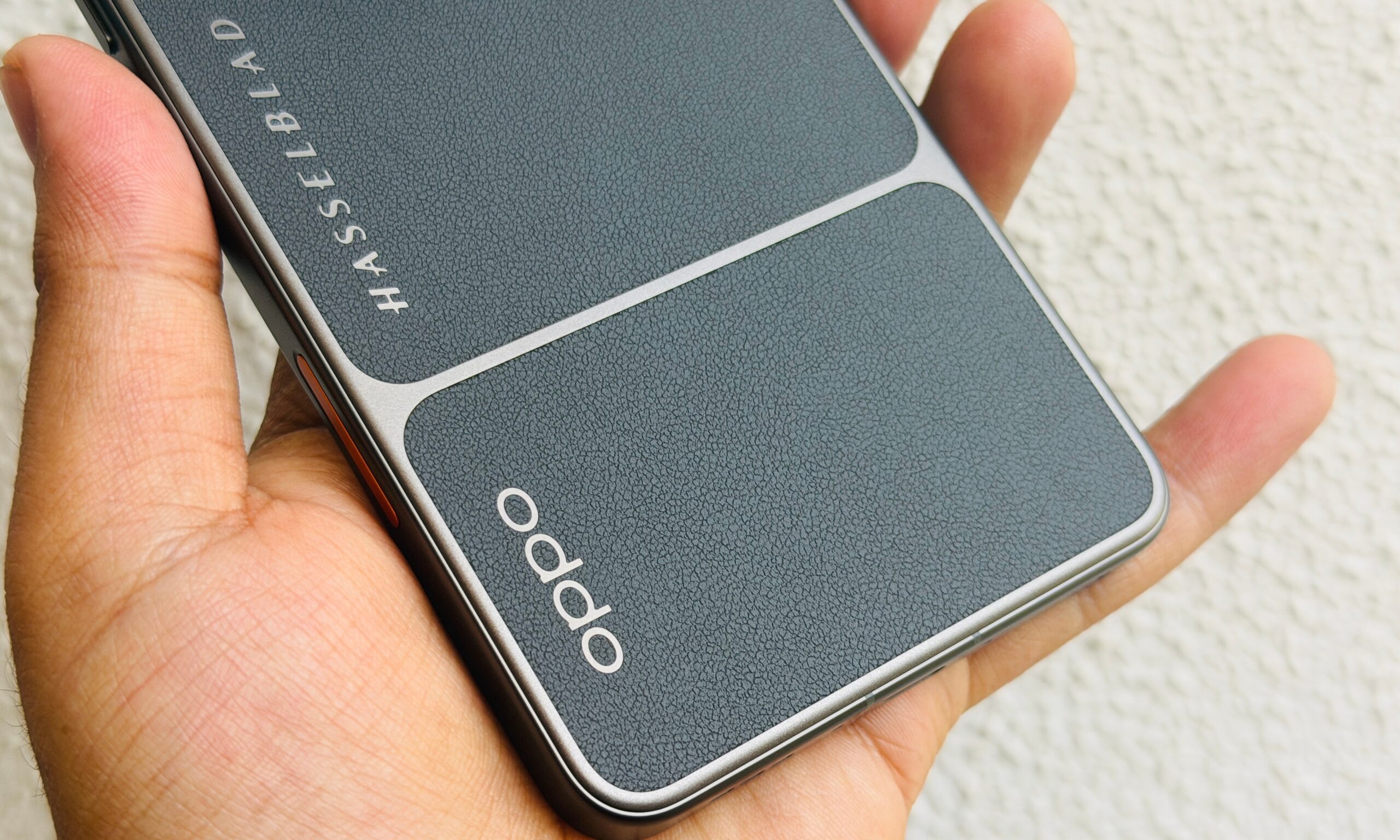
What really makes this phone special
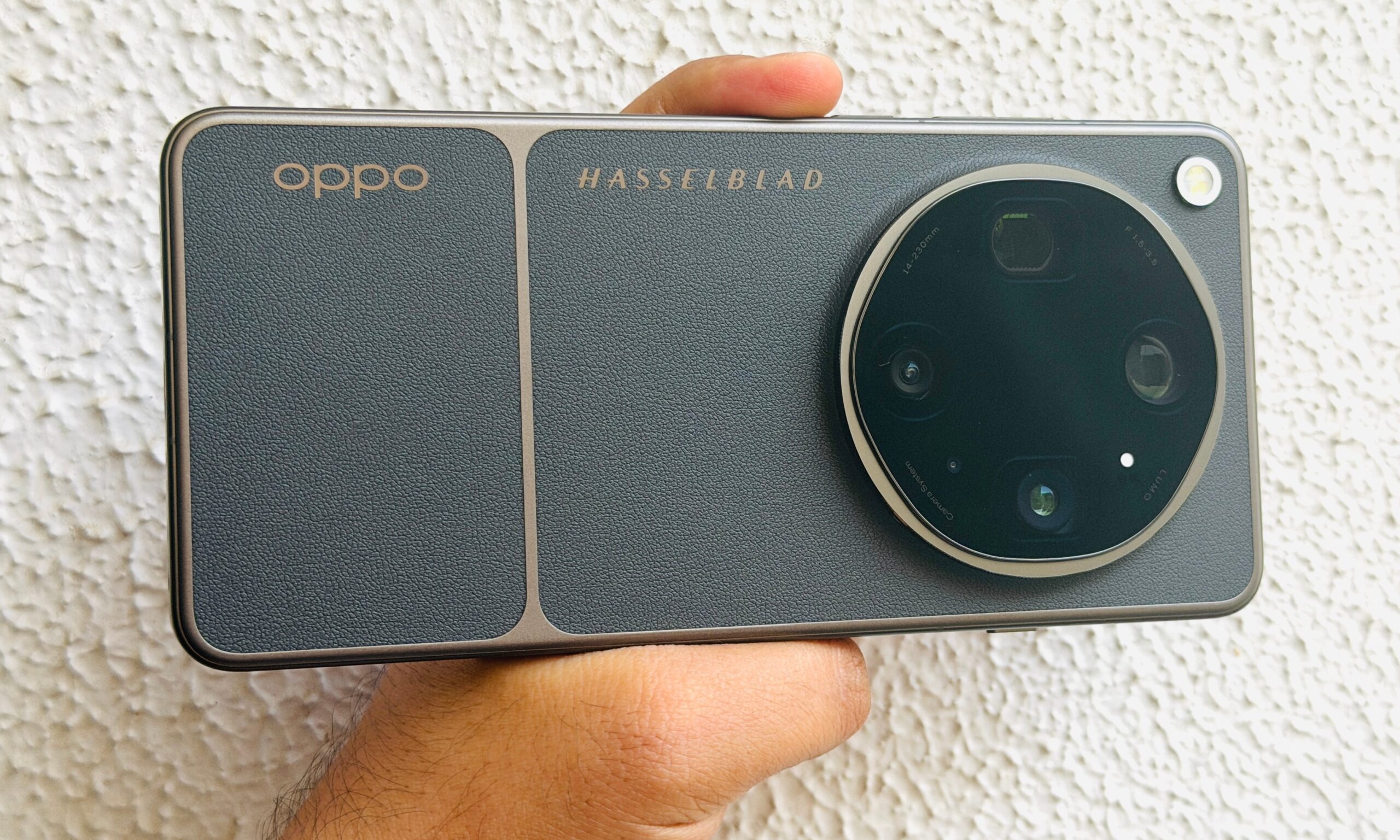
Oppo’s Find X9 Ultra is built around a new Hasselblad Master Camera System with five rear cameras. You heard that right, five sensors on the back. The headline grabber is the world’s first 50MP 10x optical telephoto in a smartphone, using a custom sensor and an f/3.5 aperture. Oppo says it delivers true 10x optical zoom and an industry-first 20x optical-quality zoom.
And that 10x monster is just one part of the setup. The phone also carries dual 200MP Hasselblad cameras: a main camera using Sony’s 1/1.12-inch LYTIA 901 sensor with an f/1.5 aperture, and a 3x periscope telephoto with a huge 1/1.28-inch sensor and f/2.2 aperture that can even double as a macrpo shooter. Just for some context, the telephoto alone as large as the iPhone 17 Pro Max‘s main sensor.
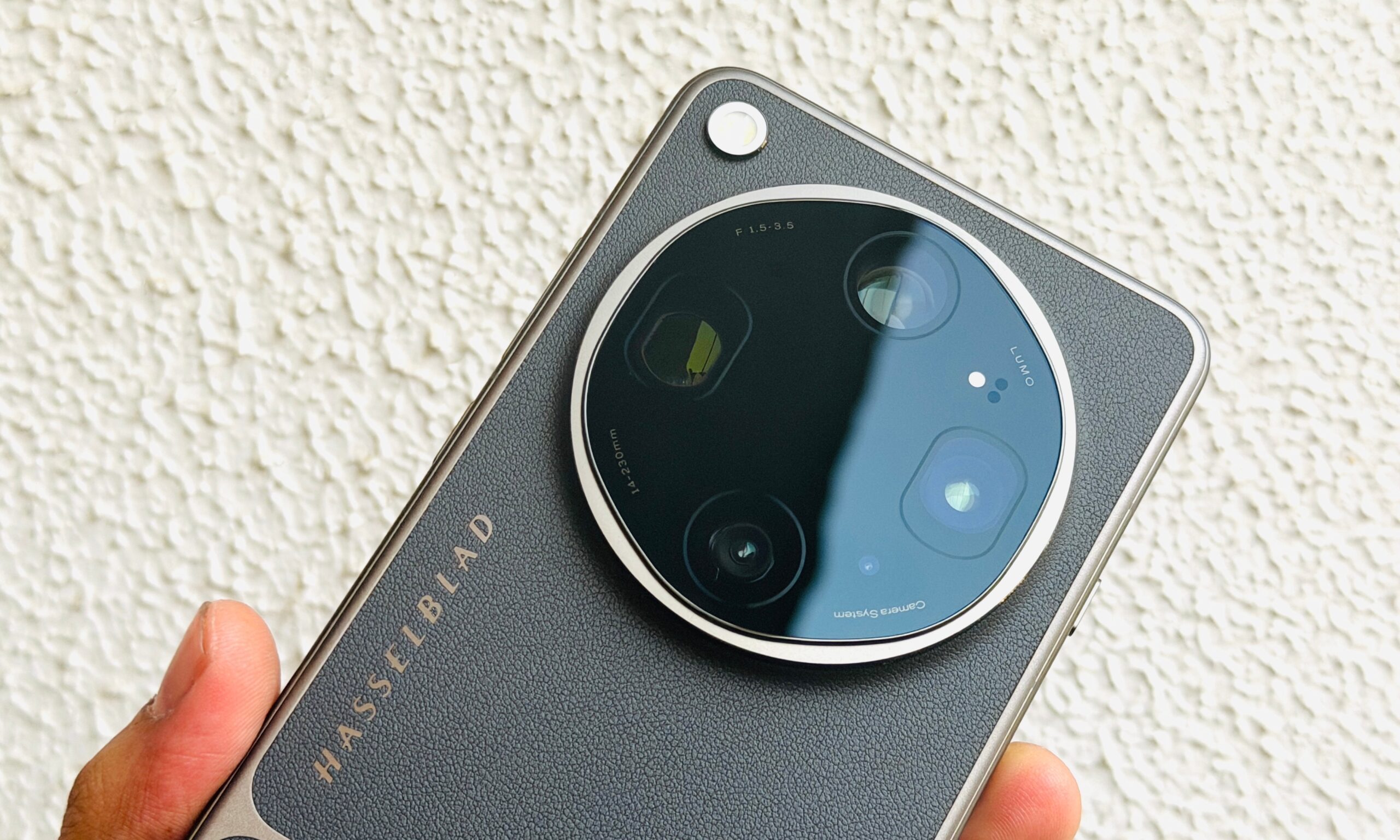
There’s also another 50MP sensor for ultra-wide angle shots. Rounding this up is a multispectral True Color sensor for improved color accuracy and white balance for pictures and videos. Combine all of them and you get a camera system that covers eight lens experiences: 14mm, 23mm, 47mm, 70mm, 139mm, 230mm, 460mm, and macro.
Oppo is backing the hardware with a Hasselblad Master Mode, which lets photography enthusiasts avoid overprocessed shots and get more finer control with the camera. On the video side, the phone records 4K 60fps Dolby Vision HDR from 0.6x to 30x, 4K 120fps on the dual 200MP cameras, and 8K 30fps as well.
The Explorer Case and 300mm Teleconverter are peak camera-nerd bait
Oppo is not stopping at the phone either. It is launching the Find X9 Ultra Hasselblad Earth Explorer Kit, and honestly, this is where the whole thing gets delightfully excessive. The OPPO Hasselblad Explorer Case comes in dark green vegan leather, takes design cues from the Hasselblad X2D 100C Earth Explorer Edition, and adds an orange two-stage shutter button with half-press focus and full-press shutter, plus a physical zoom dial. It also supports standard 67mm filters and lets users mount the teleconverter directly.
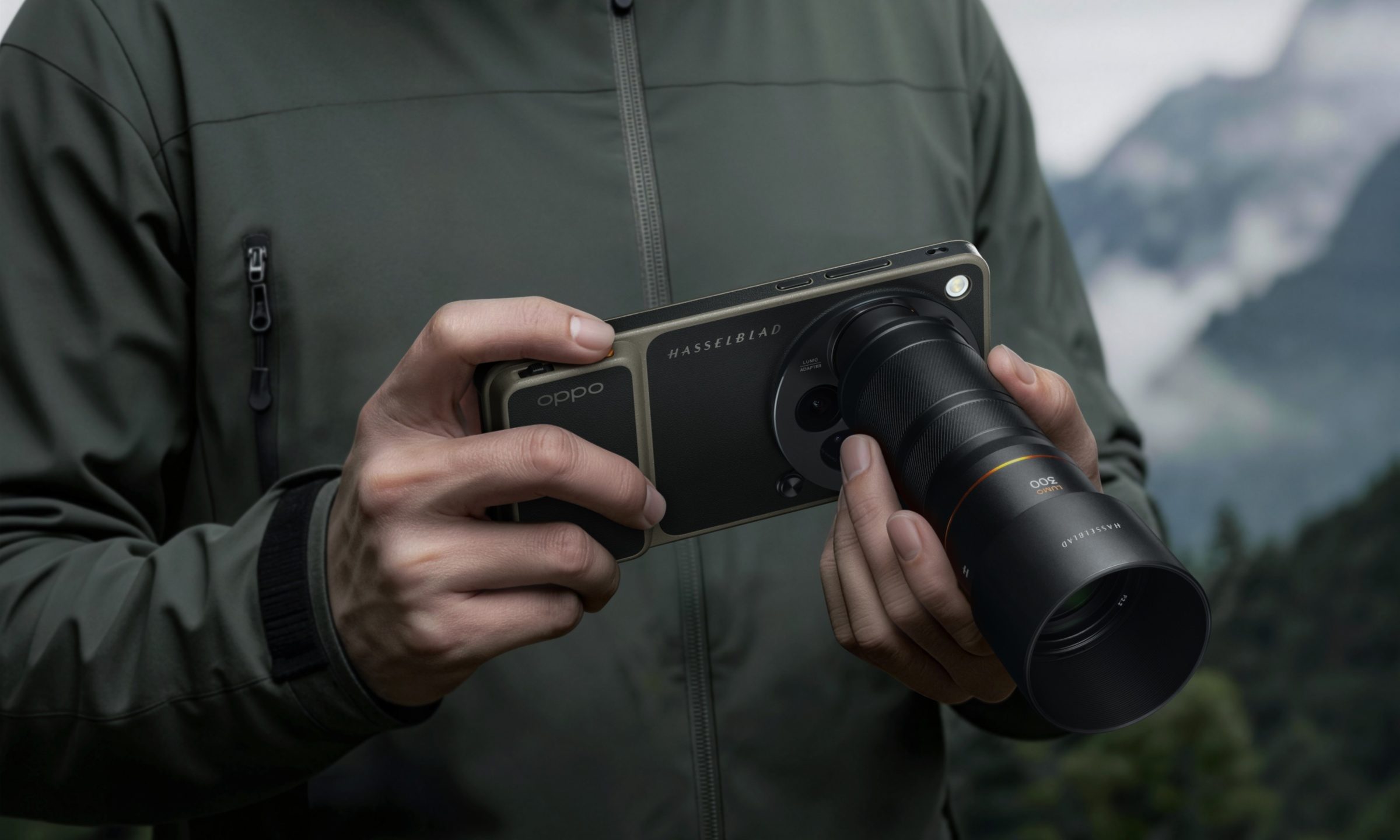
Then there is the OPPO Hasselblad 300mm Explorer Teleconverter. This thing uses 16 high-transmittance glass elements in 11 groups, including four ED elements, and mounts onto the 3x telephoto camera. Oppo says it delivers a 300mm equivalent focal length, or 13x optical zoom, and by leaning on the underlying 200MP sensor, can stretch to 690mm or 30x while still maintaining optical quality.
Oppo understood the assignment
The best thing about the Find X9 Ultra is that Oppo clearly knows what it built. This is not a balanced flagship that just happens to have good cameras. It is a camera flagship first, with the rest of the premium-phone checklist filled in around it. And in a market where too many top-end phones are starting to feel like minor variations of the same glass slab, this absurd kind of confidence is refreshing.
It’s still cheaper than the Galaxy S26 Ultra
Despite all of this, the Oppo Find X9 Ultra is still a hundred dollars cheaper than the Samsung Galaxy S26 Ultra. It has a starting price tag of 7,499 Yuan, or roughly about $1,099 for the base 256GB variant. Meanwhile, the Hasselblad Professional Imaging Accessory Kit is selling for 2,499 Yuan (~$366). While it just made its debut in China, Oppo has confirmed that it will be seeing a global debut in select countries in Europe.