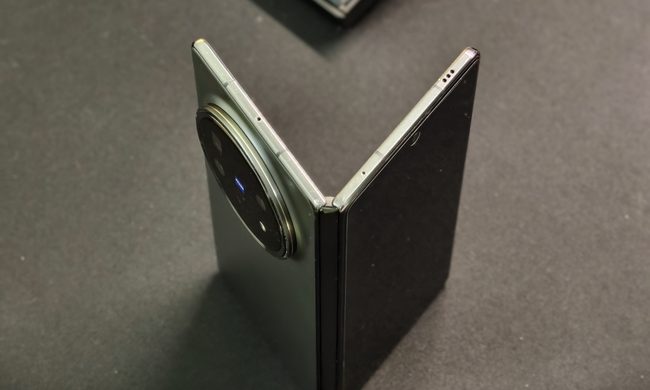
In Samsung’s version of a smartphone-themed Thunderdome, two phones enter, one phone leaves.
When the Galaxy Note 20 Ultra and the Galaxy S22 Ultra stepped into the combatants’ cage, with Samsung phones of the past cheering them on and clinging to the chain-link fencing, the two Galaxy rivals went to battle until only the S22 Ultra remained.
Galaxy Note, we hardly knew ye.

If Samsung seems set on further trimming down its product line, that Thunderdome audience could turn its mobile bloodlust to two other very similar flagship products — the Galaxy Z Flip 3 5G and the Galaxy S22 Plus. Similar in size and carrying similar price points ($399 and $499, respectively), the former folds and the latter does not. Otherwise, the two products are alike in many features.
So, which Samsung contender should consumers root for when the Thunderdome gate slams shut? We check the tale of the tape.
Tale of the tape
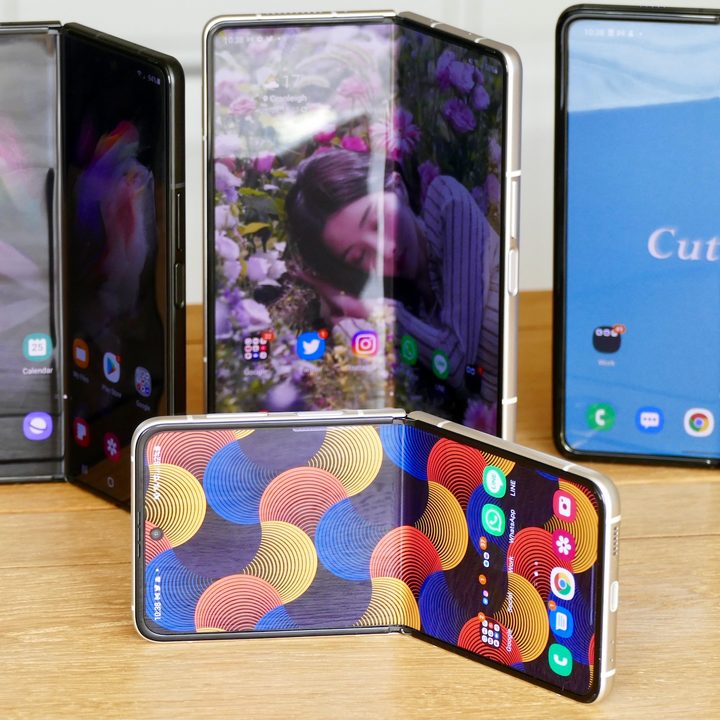
In the flip corner, the Galaxy Z Flip 3 is obviously more compact in its flipped form, but of comparable size to its rival when in full operation. Its battery tops out at 3,300mAh and the Flip offers the standard storage options of 128GB or 256GB, with 8GB of RAM. All that is driven by a Snapdragon 888 chip. In the camera department, the Flip carries dual 12-megapixel rear and 10MP front cameras.
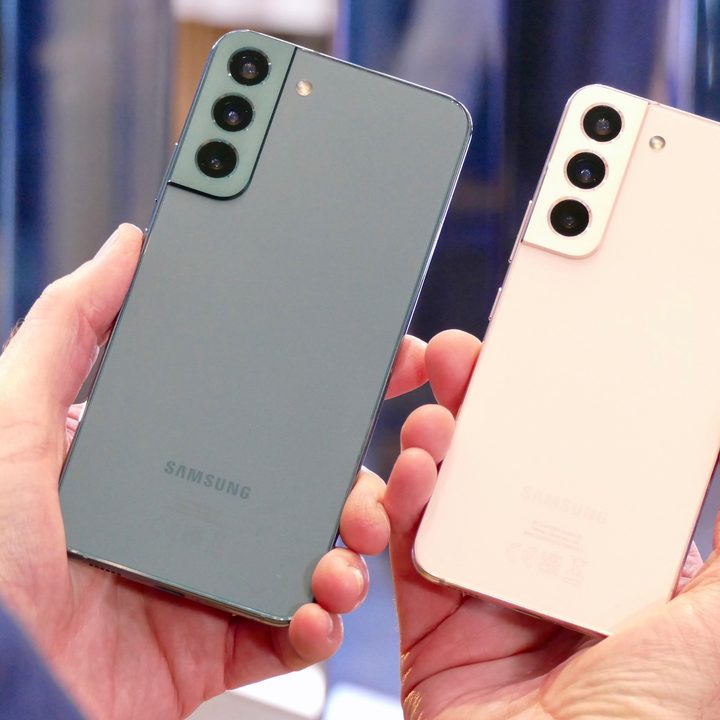
In the non-flip corner, the Galaxy S22 Plus has more knockout power with a 4,500mAh battery. It offers the exact same storage options as its flipping rival and a newer, more powerful Snapdragon 8 Gen 1 chip. The S22 Plus does boast a more elaborate camera with a rear 50MP wide, 12MP ultrawide, and 10MP telephoto 3x zoom setup joining a 10MP front.
Function over form
As far as MSRPs go, if the Flip 3 dies a sad death, that means the next similar product (the Galaxy Z Fold 3 5G) steps into its place with a price point about $500 higher at $899. If the S22 Plus packs it in and leaves the Ultra standing, that demands a price increase of only $100 (to $599).
As in any good scrap, the opponents are well-matched — each with strengths and weaknesses ready to lock them together in combat like hostile puzzle pieces. Of course, as in any scuffle between competing products, it’s the consumer who passes final judgment. At the risk of mixing fighting metaphors, the buyer is that Roman emperor, willing to go thumbs up or down on the Galaxy Z Flip 3 5G and the Galaxy S22 Plus.
It might seem disappointingly shallow after the Mad Max references and the base statistical comparison, but this entire dustup really comes down to aesthetics and style. After considering capabilities, it becomes about whether the buyer wants a standard mono-body smartphone or the more unusual flip design. The latter boasts a little more rebellious style, while the former embraces the form we’ve come to expect in our smartphones.

When dealing with essential technology products such as smartphones, it’s always best to choose function over form. While the initial appeal of buying a “different” device to stand out from the crowd might be intriguing at the store, the buyer must live with the phone a year or more once it’s purchased. Whether looking around at cases and screen protectors or searching for conveniently sized contact charging stations, the world is built for the more standard, flat mono-body phone.
So, with this fight over, Master Blaster raises the hand of the S22 Plus. Credits roll, and we go hang out with Tina Turner.