Samsung’s Galaxy S25 Ultra is one of the most capable smartphone cameras out there, as long as your search is limited to the US shores. It’s a terrific performer, but the pace of camera innovation has somewhat slowed down, while the likes of Xiaomi 15 Ultra have truly lifted the game. Things might finally turn around for Samsung next year.
According to a fresh leak, Samsung is eyeing a handful of notable upgrades for the Galaxy S26 Ultra’s imaging hardware. Instead of a 10-megapixel short-range telephoto camera on the Galaxy S25 Ultra, its successor will reportedly shift to a larger 50-megapixel sensor.
Moreover, the optical zoom range might also get a lift, going from 3x to 3.5x zoom. Talking about zoom levels, the long-range periscope-style telephoto camera could also go from 5x to 8x optical zoom range, and a wider aperture to go with it. As usual, optical image stabilization will be available across the primary and zoom cameras.
I heard some better news. With Apple’s introduction of variable aperture technology, it has been confirmed that Samsung will also incorporate a variable aperture.
— Siddhant B (@SiddhantGeek) March 26, 2025
The main camera on the Galaxy S26 Ultra is said to stick with a 200-megapixel unit, with an identical 1/1.3-inch sensor format and 0.6-micron pixel size. However, it could mark the return of an innovative aperture trick that Samsung introduced years ago.
Bringing back the variable aperture
Back in 2018, Samsung introduced the Galaxy S9 Plus with a novel camera trick. The main sensor on this one offered a variable aperture facility, allowing it to switch between f/1.5 and f/2.4 range. The Galaxy S26 Ultra could bring back the variable aperture system, and in a more capable fashion.
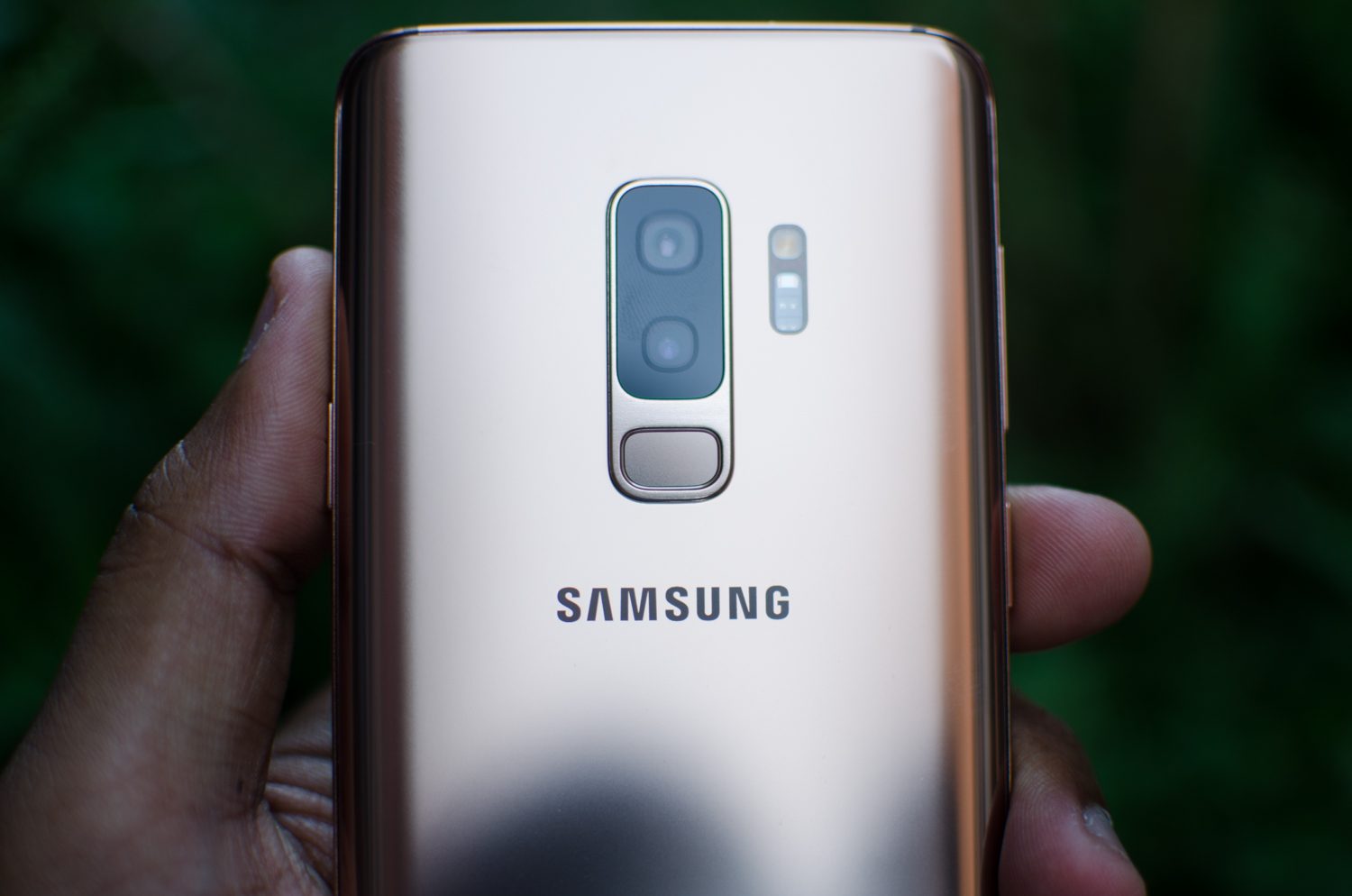
For the unaware, the aperture is a tiny hole that allows light to enter the camera system before it hits the sensor. The wider it gets, the more light enters the camera tunnel. The most obvious benefit is that in low-light scenarios, a wider aperture can collect more data, and produce more detailed shots.
On the other end, a narrower aperture produces sharper pictures. So, if you’re in a well-lit environment and want to focus on certain elements in the frame, a narrow aperture setting is the way to go. The effects are not as pronounced as those you get from the granular aperture adjustments on a DSLR camera, but they are still noticeable.
On the Galaxy S26 Ultra, the main 200-megapixel camera will reportedly allow variable aperture adjustment between f/1.4 to f/4.0 values. That’s a massive upgrade over the Galaxy S9 Plus, and thanks to the improved imaging algorithms and larger sensor, the quality upgrade is going to be massive.