  1. Home
  2. Phones
  3. News

Samsung Galaxy S26 Ultra’s cool privacy display is coming to more phones

Directional OLED pixels and smart software could soon protect sensitive information across more flagship smartphones, as rivals explore Samsung-inspired hardware privacy display solutions.

Add as a preferred source on Google
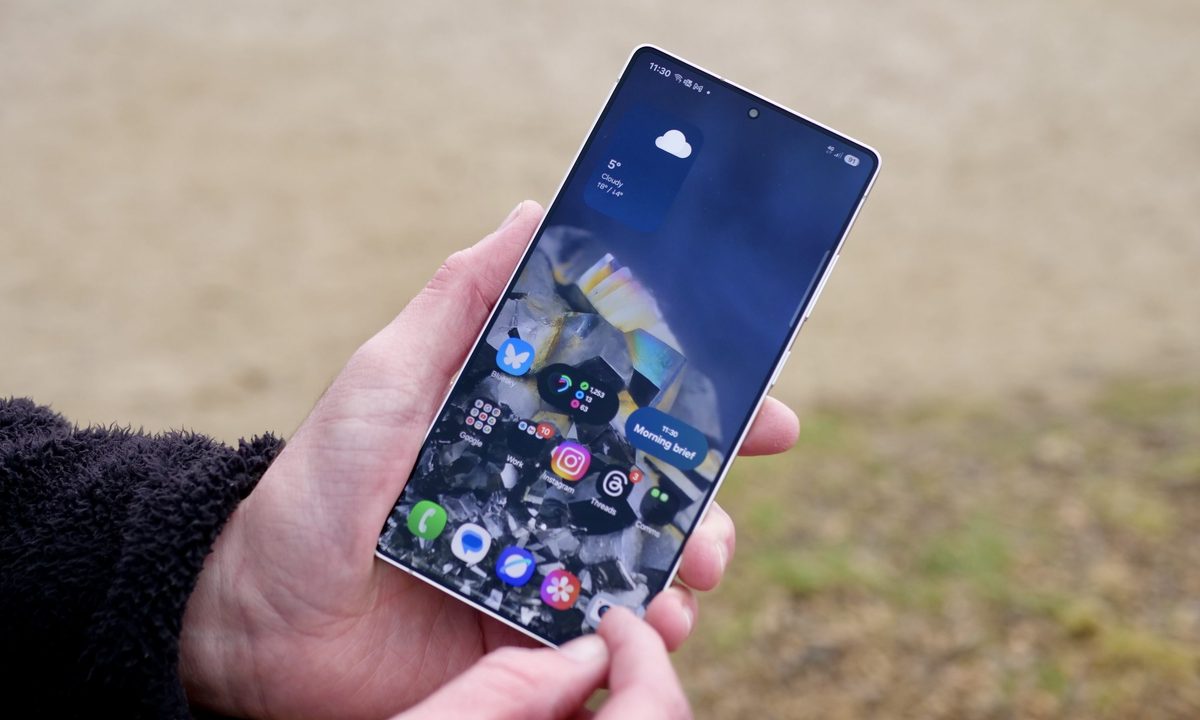
The screen on the Samsung Galaxy S25 Ultra.
Andy Boxall / Digital Trends

One of the coolest features of Samsung’s Galaxy S26 series, likely reserved for the Galaxy S26 Ultra, is Privacy Display. Using directional OLED pixels and clever software implementation, the feature can hide the entire screen (or specific parts) when viewed from an angle, preventing shoulder surfing in public areas.

We’ve also seen the feature in a couple of hands-on pictures so far, and it looks, well, impressive.

Chinese brands are quite impressed from Samsung’s Privacy Display

Turns out it wasn’t just me who was impressed with the feature. Renowned Chinese tipster Digital Chat Station claims that “domestic manufacturers” (referring to Chinese smartphone makers) are testing a “spy screen.”

Recommended Videos

It is basically a “hardware-level” privacy screen solution that sounds suspiciously similar to Samsung’s approach. The tipster also shares a picture that shows how the technology would work in real life (clear from the front, extremely dull from an angle).

By domestic manufacturers, the tipster likely means brands like Oppo, Vivo, Xiaomi, or OnePlus, some of which also sell their smartphones outside the Chinese market.
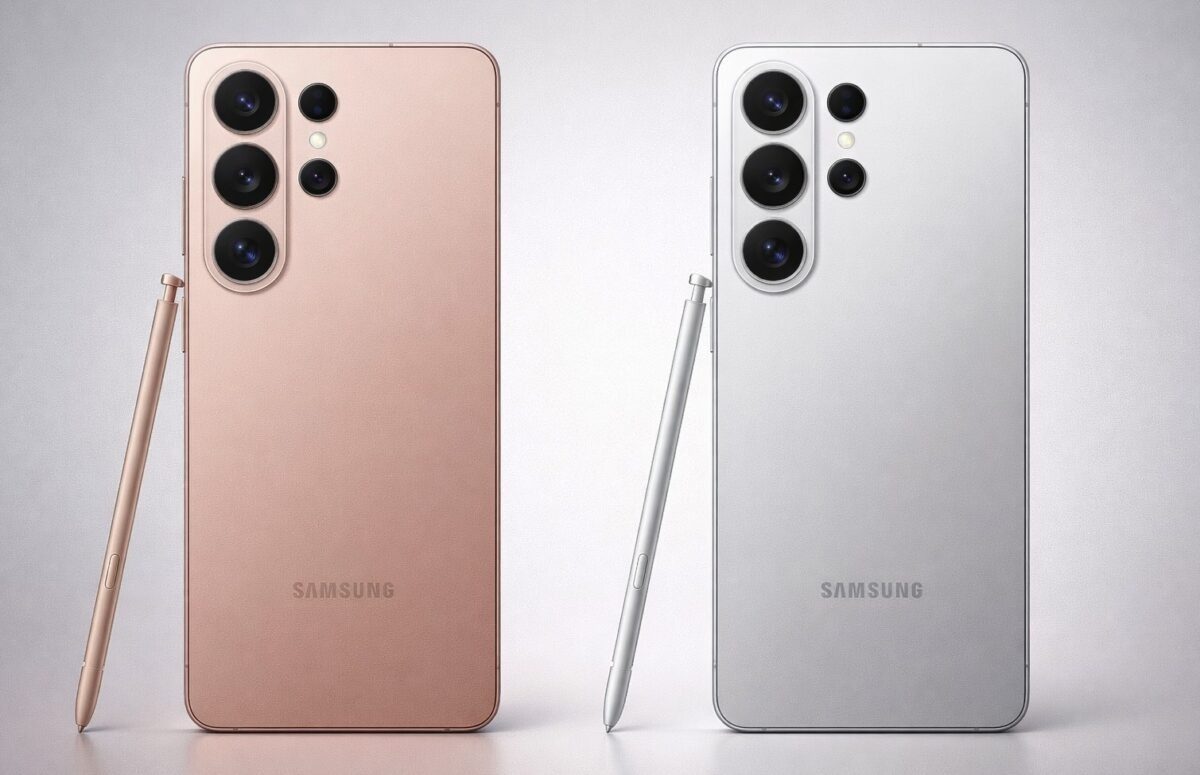
Could privacy screens be a new flagship trend?

“Spy screen” seems an oversimplification of the technology that hides the screen from bad eyes, but it’s really the “hardware level” phrasing that I’m the most curious about.

Samsung’s version of the feature includes both hardware- and software-level implementation. Rumors indicate that the feature can detect when the user is entering sensitive information, such as passwords or OTPs, and automatically dim the relevant portion of the screen.

However, whether the Chinese version of the “hardware-level” solution is simply an in-built privacy screen protector (in which case it could affect the smartphone’s viewing angles), or includes an on/off switch (controlled by the software), is something we’re yet to find out.

What’s clear, however, is that privacy screens could become a flagship trend in the coming years, at least for Android smartphones first, and maybe we’ll see Apple implement it on an iPhone two to three years from now.

Shikhar Mehrotra
For more than five years, Shikhar has consistently simplified developments in the field of consumer tech and presented them…
One UI 9 will finally give Samsung phones a feature most Androids have had for years
The long-missing network speed indicator is finally showing up in One UI 9
Samsung Galaxy S26 Ultra smartphone in blue color.

Samsung is already a few weeks into testing One UI 9 with Galaxy S26 beta users, and a new feature spotted in the latest build feels long overdue. It is the network speed indicator, a simple status bar tool so common on other Android phones that it is surprising Galaxy phones have gone this long without it.

You can find this feature even on budget Android phones from brands like OnePlus, Oppo, and Xiaomi. It shows real-time upload and download activity in the status bar while the phone is connected to Wi-Fi or mobile data, giving users a quick way to check whether their connection is actually moving data.

Read more
Waiting for smartphone prices to drop? Nothing’s CEO has bad news for you
Carl Pei has skin in this game, but the RAM shortage he is describing is real, and the price increases he is pointing to are already showing up in phones you can buy today.
Nothing Phone 4a Pro featured.

If you have been holding off on a new phone hoping for a better deal, perhaps a discount on a model launched in the first quarter of the year, Nothing’s co-founder Carl Pei has a blunt message for you: stop waiting. 

In a post on X, Pei explained how 2026 is reshaping smartphone pricing like never before. The culprit, to no one's surprise, is a component that now makes up more than 50% of the total hardware bill.

Read more
Scammers used Gemini AI to power a massive phishing operation and Google just sued them
Google just sued the AI scam network sending millions of fake texts and building thousands of fraudulent websites.
fake-google-security-check-phishing-attack

That suspicious text about an unpaid toll, a delayed delivery package, or expiring rewards points may no longer be the work of a lone scammer. These scam texts have been flooding American phones for years, but something has changed.

Google says artificial intelligence is helping fraudsters run larger and more convincing operations than ever before. The company has now filed a lawsuit against a cybercrime network that used Gemini AI to create phishing websites and power a massive scam campaign targeting millions of users.

Read more