Travel nausea has long been the uninvited companion on road trips, flights, and journeys. I’ve been experiencing it myself since I was a child, and even today, if I’m not driving the car, it’s very difficult for me to sit inside for longer journeys. Even though I never discussed this with Samsung, it looks like they have a solution.
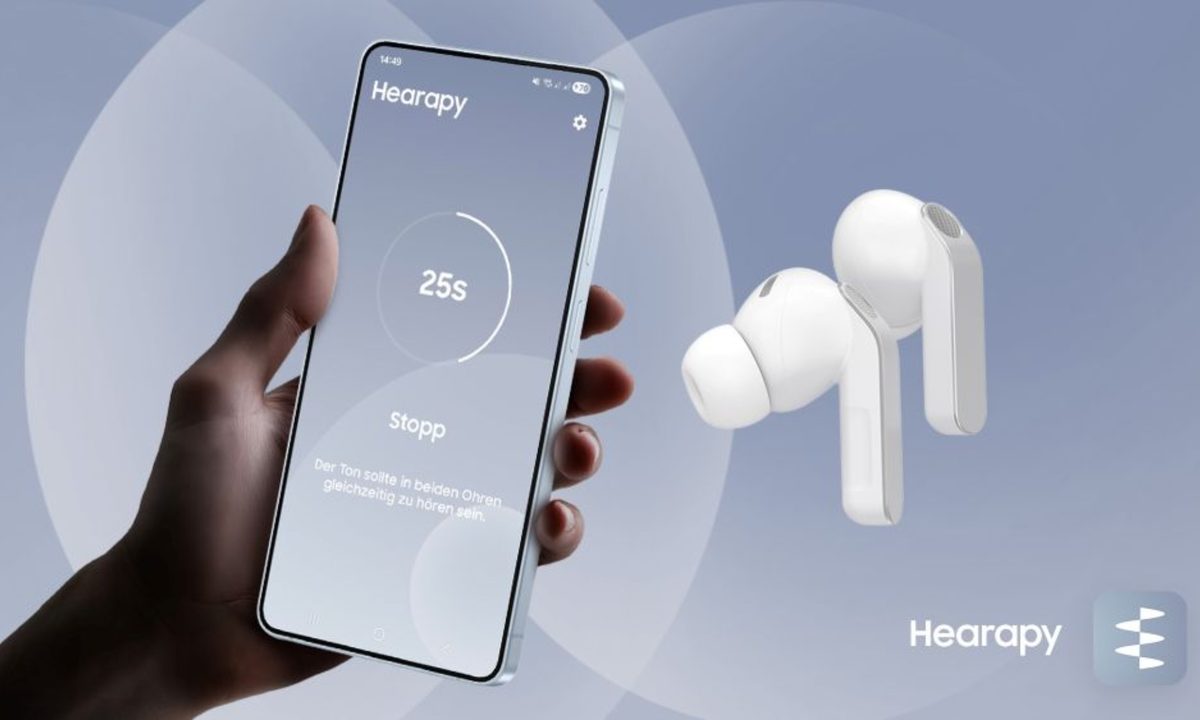
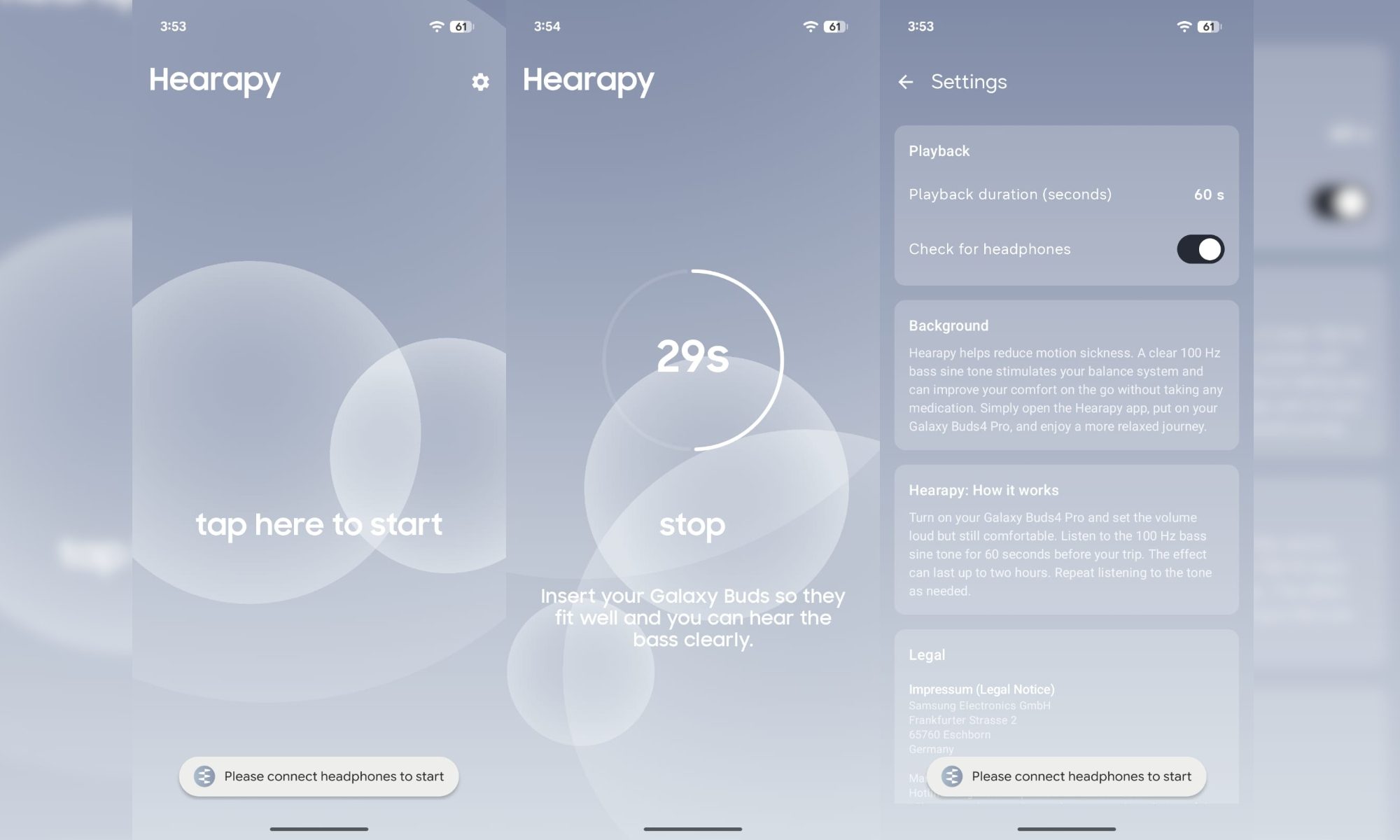
The Korean tech giant has quietly launched a free app called Hearapy (sounds like a combination of hearing and therapy) to tackle motion sickness through audio therapy. The concept is quite simple. You open the app, put on your earbuds, and let it play.
Why does a sound wave help with nausea?
What follows is a precisely calibrated 100 Hz bass sine wave, delivered at around 85 dB, which is about as loud as a lawnmower, only much less irritating. How does that help curb my travel nausea? Well, bear with me for a quick explanation, and you’ll know how.
Motion sickness originates from a sensory conflict between your inner ear and your eyes. While your vestibular system detects movement, your eyes — fixed onto a phone screen or a book — report nothing of that sort, which fools your brain into triggering a defensive response we recognise as motion sickness.
Samsung’s Hearapy solution, backed by research from Japan’s Nagoya University, recalibrates the balance system and suppresses your motion sickness symptoms for up to two hours. For the technique to work, you must listen to the 100 Hz sine wave for at least 60 seconds in both ears.
Do you actually need the Galaxy Buds 4 Pro?
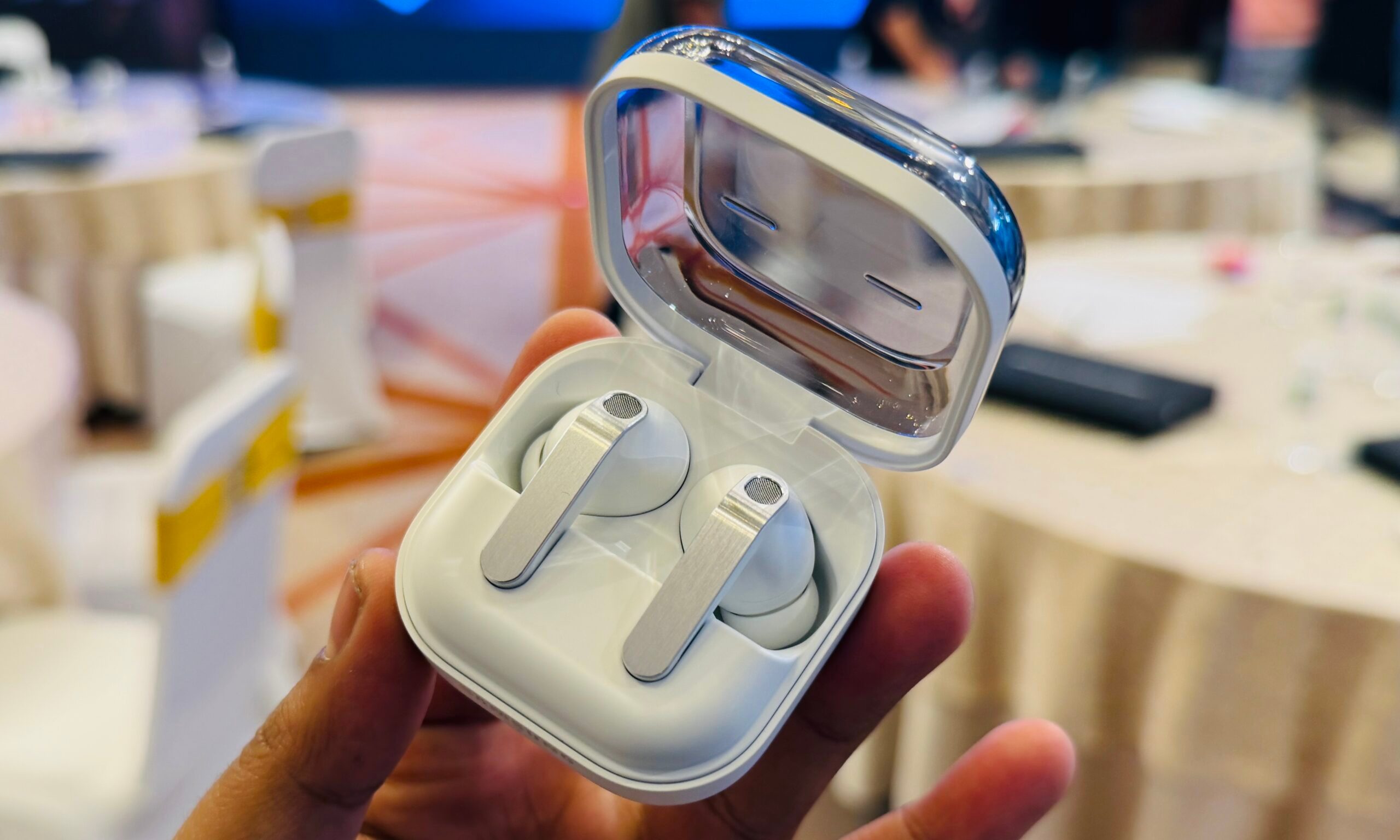
Samsung recommends the Galaxy Buds 4 Pro as the ideal hardware, especially since they feature a mid-bass driver nearly 20% larger than its predecessor, adaptive noise cancellation powered by six microphones, and 24-bit/96 kHz audio support via the SSC-UHQ codec.
All of these help the Buds 4 deliver the required tone in the most effective manner. However, even if someone doesn’t have Samsung’s latest wireless earbuds, the app works with most earbuds that can reproduce 100 Hz. You see? Samsung’s pitch is real, but the premium hardware requirement isn’t mandatory.
Though the Hearapy app was announced via Samsung’s German website, it is currently available on the Google Play Store in the United States and India, even on non-Samsung smartphones, which is a plus point.
The app could have been an integrated Galaxy Buds feature
I tried the app on a Pixel, and it has a rather simple user interface with just one button in the center that plays the 100 Hz sound. Whether it works or not is something that I’ll find out during my next passive drive.
You could use it without headphones as well, but the phone’s speakers might not be loud enough. Given the app’s size and limited functionality, I’d argue it’s better off as an integrated feature in the Galaxy Buds firmware, accessible with a tap in the quick settings menu.
For me, the trick has always been to listen to my favorite music track on my AirPods (as I use an iPhone as my daily driver). Anyways, you can download and try the Hearapy app itself to see if it’s worth it.
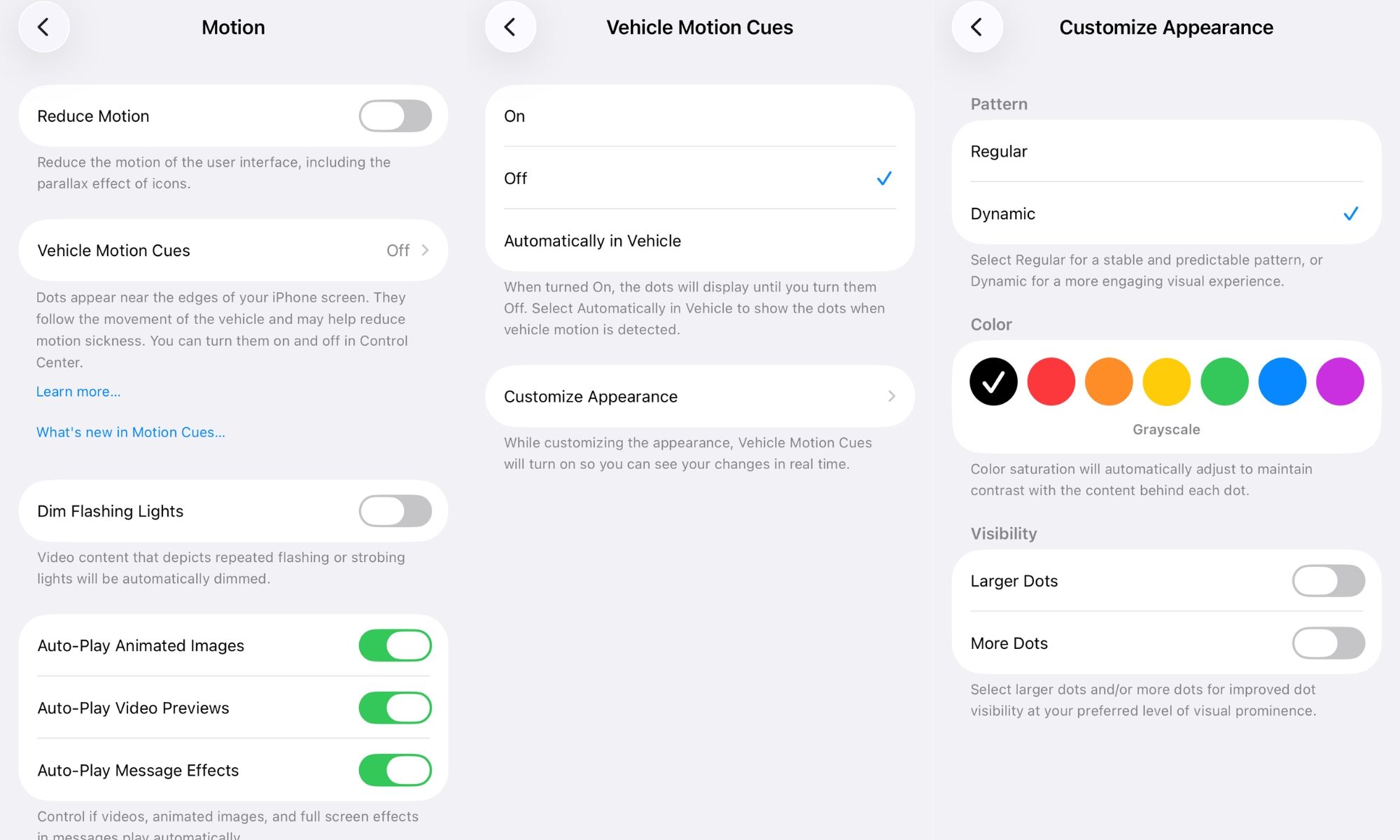
It’s worth noting that Google already has a similar feature in the works for Android 17, which displays rows of animated dots along the edges of the screen that move in sync with your vehicle’s motion. iPhones, on the other hand, already have a similar feature called “Vehicle Motion Cues.”