  1. Home
  2. Phones
  3. News

Samsung’s wild patent shows a foldable phone that folds itself into a box 

Samsung's most unusual display patent yet protects the look of a device that rolls into a rectangular brick.

Add as a preferred source on Google
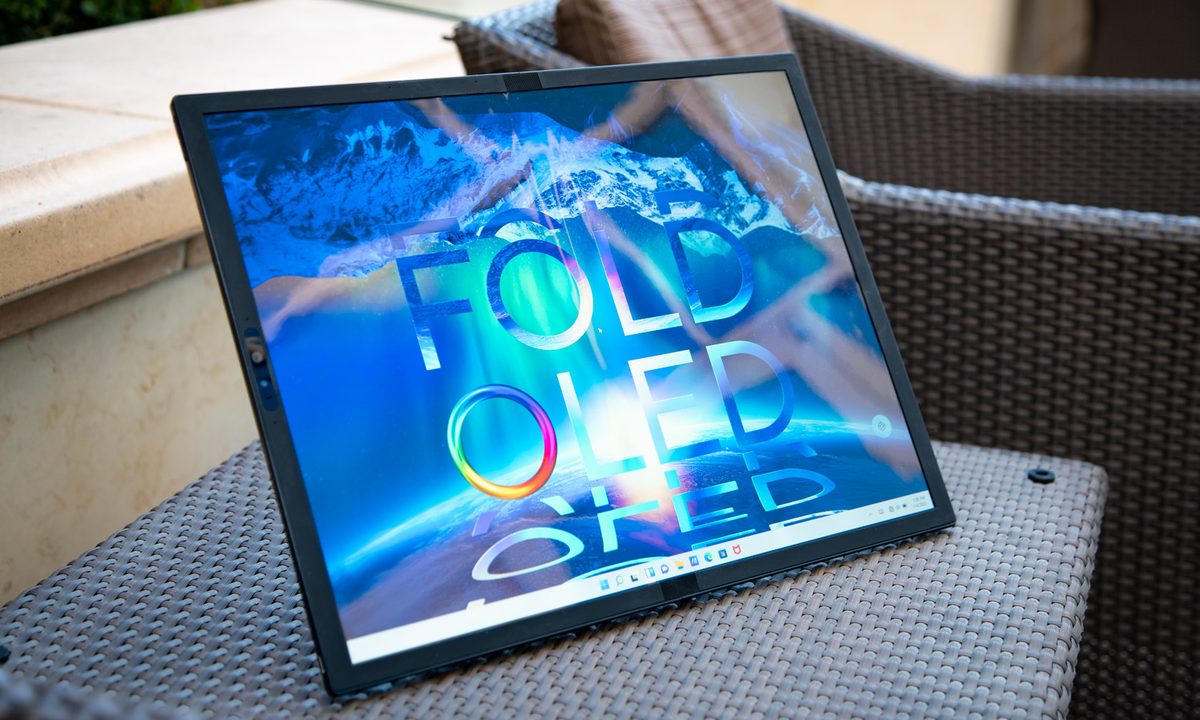
Asus Zenbook 17 Fold laptop.
Jacob Roach / Digital Trends

Samsung has been granted a US design patent for what might be its most unusual display concept yet.

The patent is for a device that, when folded, resembles a long rectangular brick and can unfold to form a much larger screen. It was filed in January 2023 and only granted this month.

 So what does this Samsung patent actually show?

The patent, numbered US D1,130,402 S, has been granted to Samsung Display, the display arm of Samsung Electronics. It talks about the appearance of what it simply calls a “display device.” 

Recommended Videos

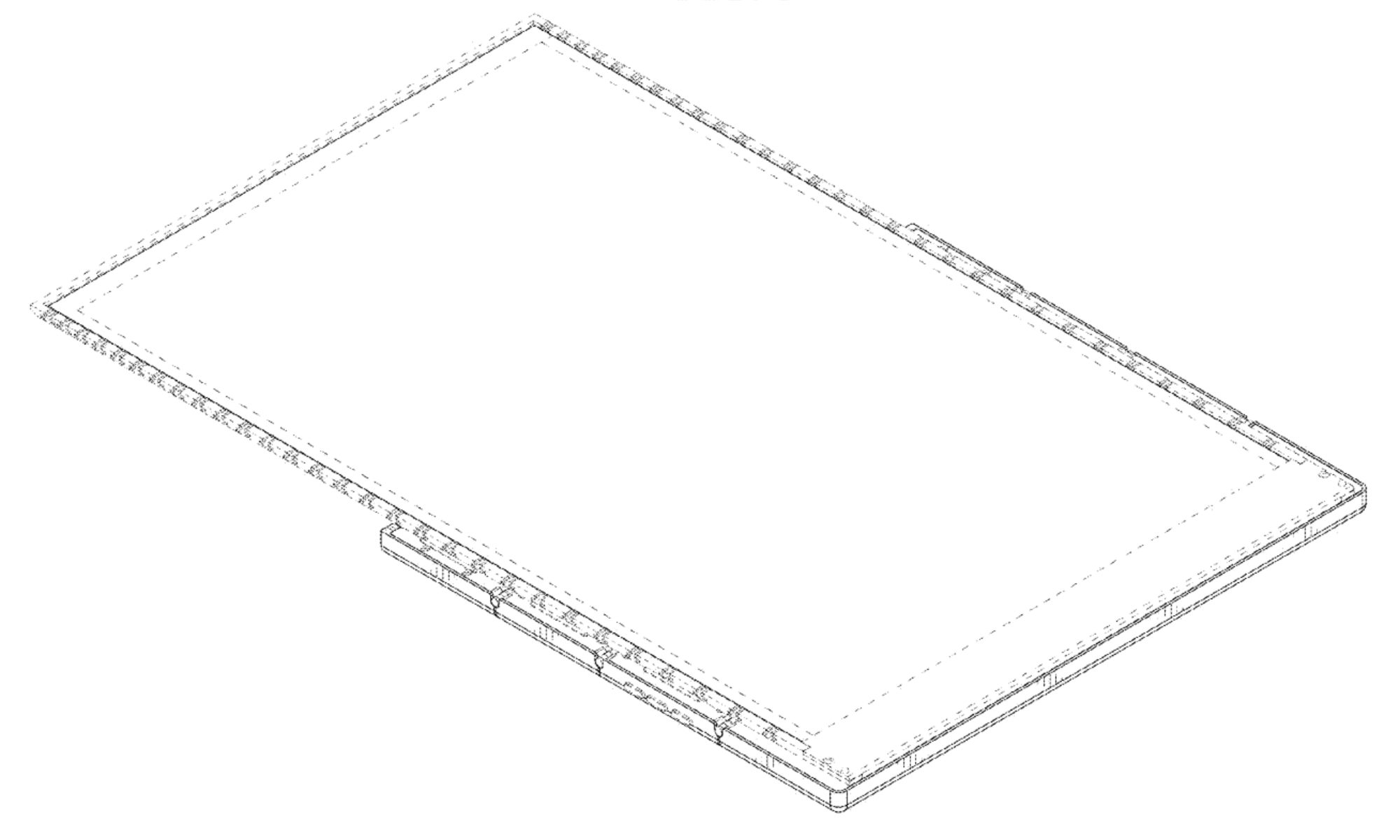
Looking at the drawings, the device in its rolled state resembles a thick, elongated brick, with display panels wrapped tightly around the body. There’s a visible mechanism at one end as well. In their unrolled state, those same panels extend outward into what appears to be a significantly larger flat display. 
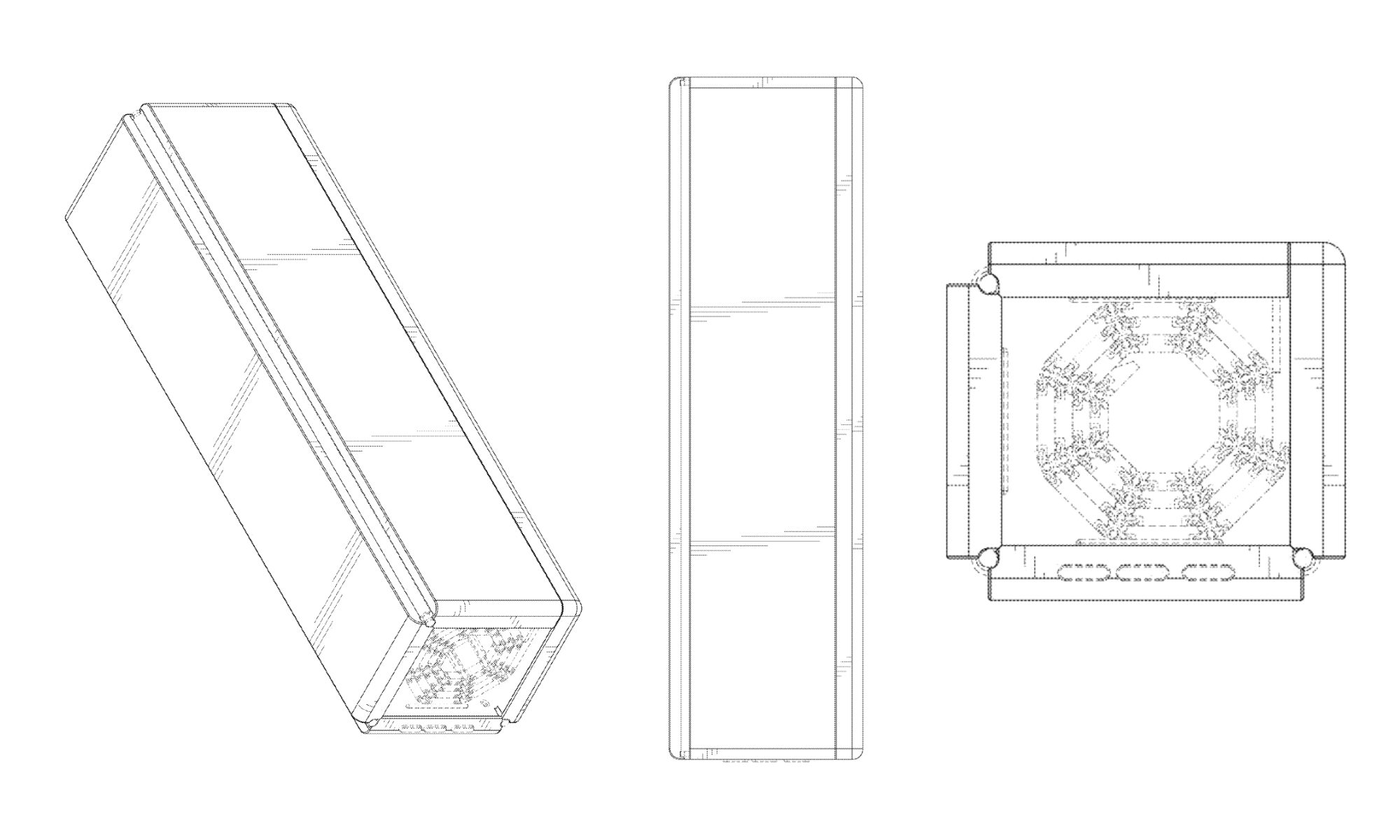
The patent includes 14 drawing sheets showing the device from every angle, both in folded and unfolded states (via FixyFlow). Keep in mind that this is a design patent, one that only projects the look of the device. The drawings don’t tell us what materials it uses or how durable it is.

Does this mean Samsung is actually building a brick phone?

The appeal of packing that much screen into something pocketable could be real. That said, there is a very long road between a design patent filed in 2023 and an actual product you can buy. 
Speaking from some experience, only a handful of such patents ever make it to the market. Samsung has been exploring foldable and rollable display options for years now. The new concept appears to combine them in a single device, but it doesn’t look like a well-thought-out product to me. 

This one is worth watching, for sure, but don’t clear out your pocket just yet. 

Shikhar Mehrotra
For more than five years, Shikhar has consistently simplified developments in the field of consumer tech and presented them…
Pixi wants to replace your boring text messages with AR characters that react to you
iMessage users can now send fun AI characters like a cat or robot to their friends.
pixi-ar-app-imessage

Forget stickers and GIFs, a new app called Pixi Garden wants you to send interactive augmented reality characters through iMessage instead.

Pixi Platforms launched the messaging native app today, letting you create and send a "pixi" — an intelligent AR character that comes alive through your friend's phone camera and reacts to whatever is actually happening around them.

Read more
AI vision is getting too hungry, and this method puts it on a diet
KAIST researchers say Upsample Anything sharpens compressed visual data while cutting GPU memory demands by up to 16 times.
Car, Transportation, Vehicle

KAIST researchers have developed an AI vision method built for a problem phone makers can’t ignore forever. Upsample Anything rebuilds high-resolution visual features from compressed image data, aiming to make on-device AI sharper without demanding a much bigger memory budget.

Phones already lean on compression to keep camera-based intelligence moving quickly. The tradeoff is that small objects, thin edges, and subtle defects can get stripped away before a vision system has enough detail to work with.

Read more
Google Photos’ AI image editor expands to more regions, but only for Android users
Edit with Ask Photos, which lets you make edits by describing what you want, is now available for Android users in Germany, the UK, France, Spain, and Italy.
Featured image for Google Photos conversational edit ability.

Google introduced an AI-powered editing feature in Google Photos called "Edit with Ask Photos" last year, allowing users to make photo adjustments using natural language prompts. It initially debuted in a handful of countries, but Google is now expanding support to five new markets.

From four countries to nine

Read more