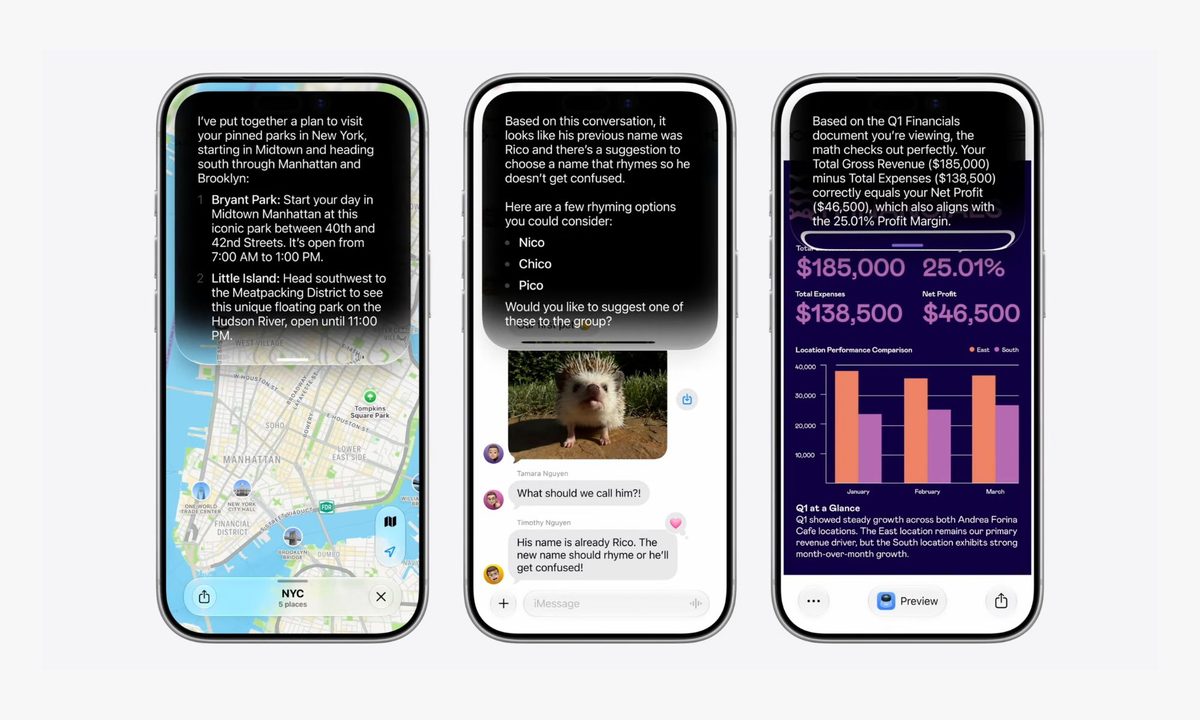

Apple has finally done what it’s been teasing, iterating on, and carefully tiptoeing around for years: it has rebuilt Siri from the ground up and given it a proper intelligence upgrade. The new Siri AI, powered by Apple Intelligence, is no longer just a traditional voice assistant. It’s being positioned as a more conversational, context-aware companion that understands what you mean, where you are, and even what you were just doing a few moments ago.
And yes, it does sound a lot like the assistant Apple has been promising for years. The difference this time is that it finally feels closer to something people might actually use daily. At its core, this new Siri leans heavily on Apple Intelligence to go beyond simple commands. It can pull information from the web, apps, and your personal data — messages, emails, photos, and more — to respond in a way that feels like talking to something that remembers your life.
A Siri that finally understands context
The biggest change here isn’t how Siri sounds or how fast it responds. It’s how much it understands. Siri AI can now use personal context to surface information you’d normally have to hunt down yourself. That restaurant your friend shared last week in Messages? It can pull it up. That hotel booking buried in an old email thread? It can find it. It’s like a memory layer sitting across your apps.
Apple is also leaning heavily into what it calls onscreen awareness. If you’re looking at a message about a potluck dinner, Siri can jump in with suggestions for what to bring and even help draft a recipe into Notes. It’s the kind of fluid, app-to-app help that usually feels clunky in other assistants, but here, it’s meant to feel natural.
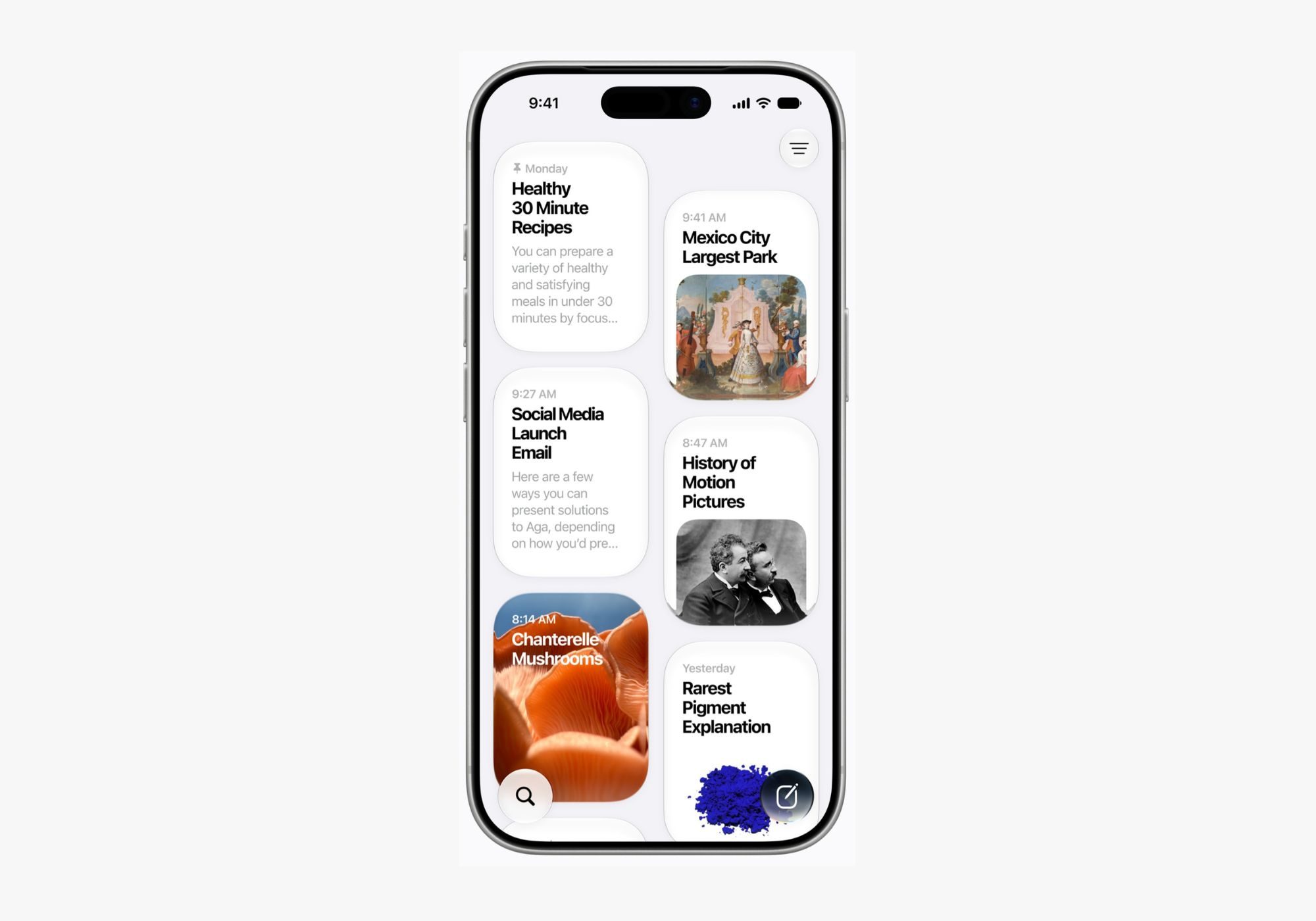
Beyond your personal data, Siri AI also taps into broader world knowledge. It can answer more current, real-world questions, like when a solar eclipse will be visible near you or when an artist is touring, without pushing you straight into a browser. As Craig Federighi put it, the goal is “natural, in-the-moment assistance,” and for once, that description doesn’t feel like marketing fluff.
The reach of Siri has also expanded across the system. It’s no longer tucked away behind “Hey Siri.” It’s built into Spotlight, system menus, camera experiences, and even spatial interactions on Vision Pro. You can trigger it from the Dynamic Island, a keyboard shortcut, or by selecting content directly on screen. So, Siri is now everywhere you already are.
Privacy-first AI, with a reality check
Apple is, unsurprisingly, leaning hard on privacy as its defining strength. Siri AI runs on a hybrid system: on-device processing for local tasks and server-based processing through Private Cloud Compute when needed. Apple says personal data isn’t stored or exposed, even when cloud models are involved.
It’s the same core promise Apple has built its reputation on — strong AI capabilities without giving up control of your data. The real question is how that holds up in everyday use, especially when compared to more cloud-heavy assistants that often feel faster or more flexible.
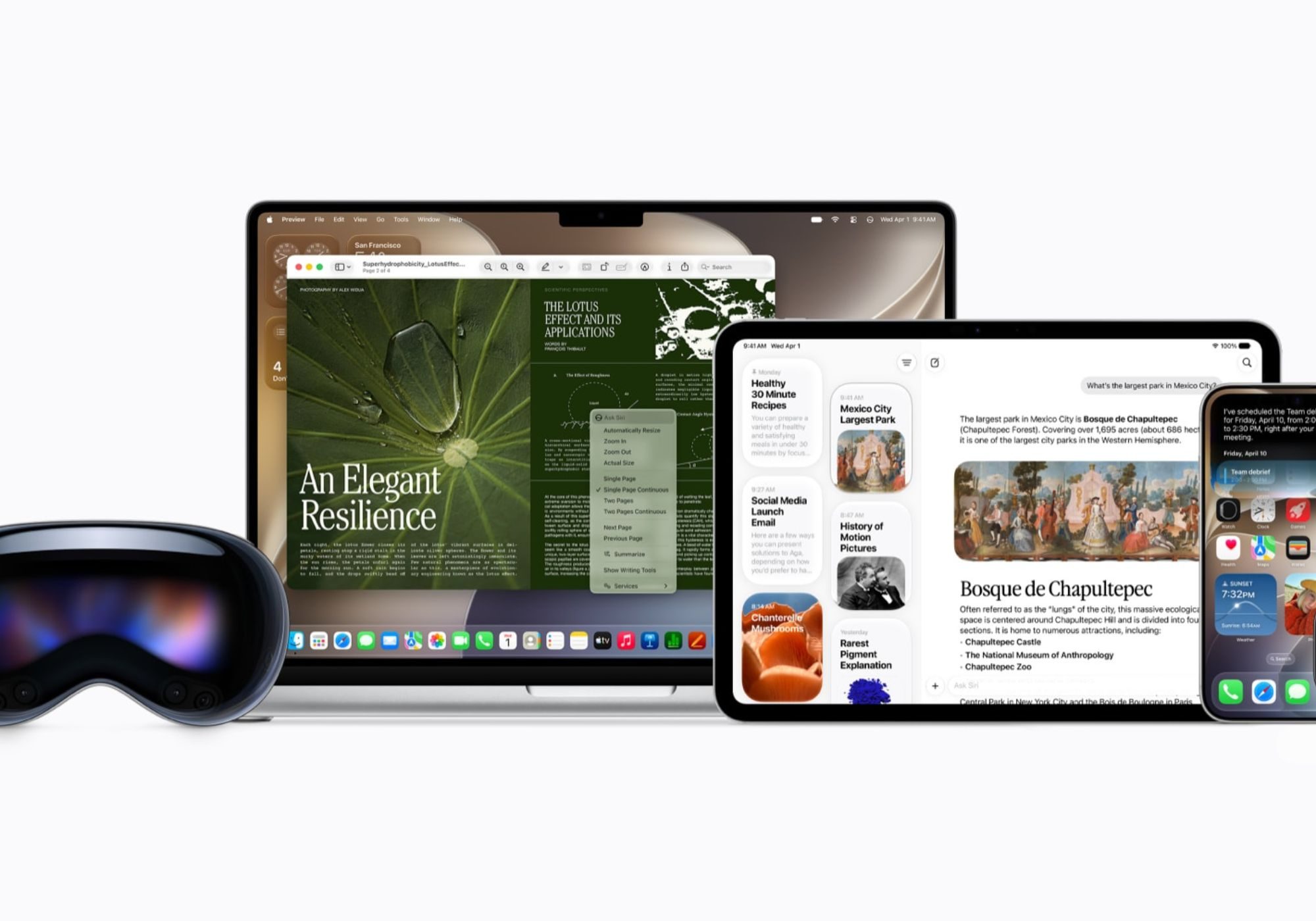
What does stand out is how Apple is trying to make Siri feel consistent across devices. There’s now a dedicated Siri app that syncs conversations through iCloud, so you can start a chat on a Mac, continue it on an iPhone, and pick it up later on an iPad. It turns Siri from a momentary tool into something closer to an ongoing thread.
Then there’s Visual Intelligence, arguably one of the more practical additions. Siri can now understand what’s on your screen or even what’s in front of your camera. Point your phone at food, and it can estimate nutritional information. Look at a shared bill with friends to help split costs. On iPad and Mac, you can select anything on screen and ask Siri about it directly.
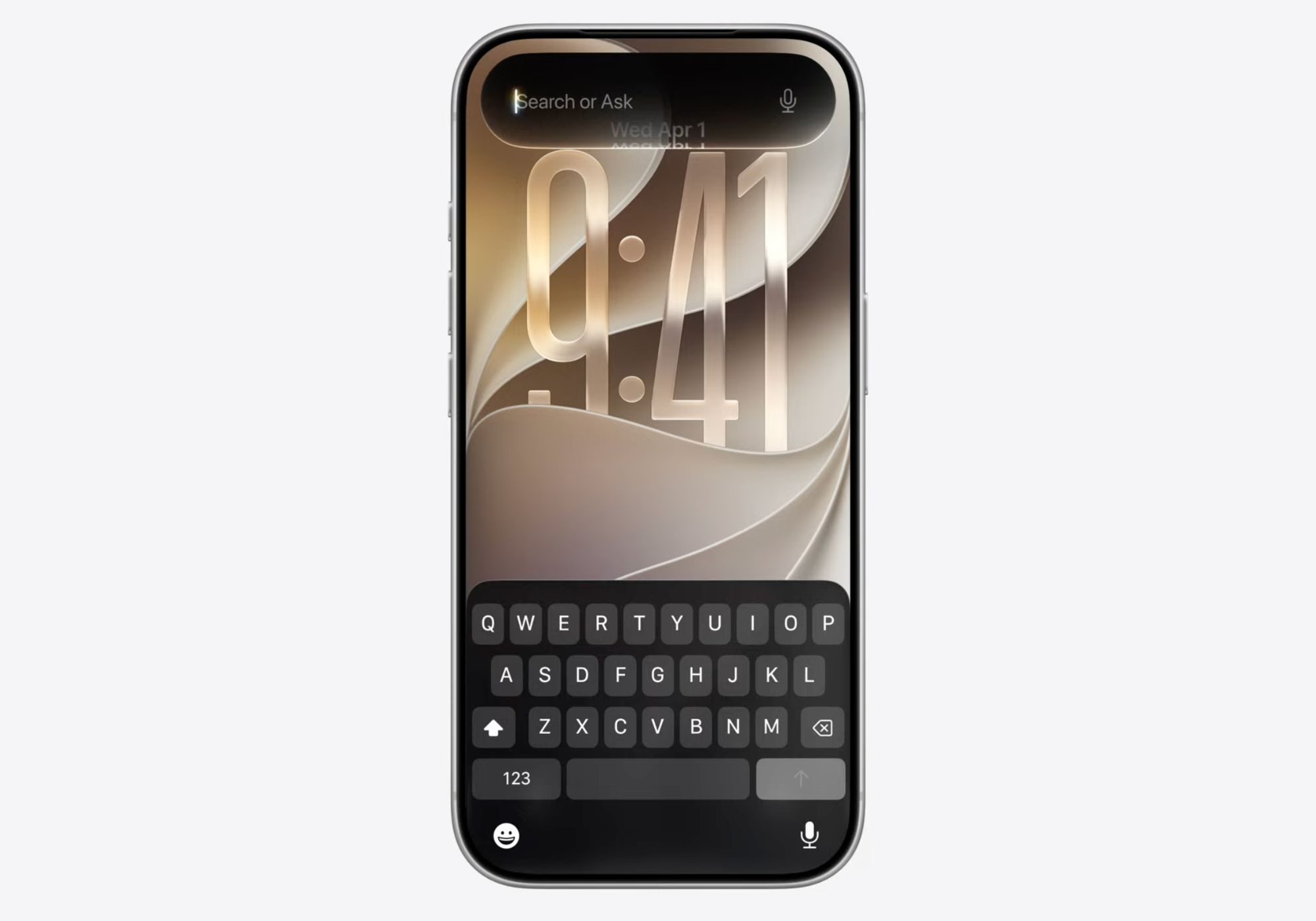
Writing is another big focus. Siri AI now works as a built-in writing assistant across the system. It can draft emails, rewrite messages in your tone, and even adjust its style based on who you’re talking to. If you’re brief with your manager or more formal with clients, it adapts accordingly. It can also proofread and refine text as you type, system-wide.
That’s powerful, but it’s also where things start to feel slightly strange: when an assistant begins writing like you, remembering like you, and predicting how you’d respond, the line between tool and extension blurs.
Apple is rolling Siri AI out first to developers, with a public beta planned later across iOS, iPadOS, macOS, and VisionOS 27. It’s still early, but the direction is clear: Siri isn’t just being upgraded — it’s being rebuilt into something fundamentally different. The real question now isn’t whether Siri has become smarter. It’s whether it has finally become useful enough that people stop ignoring it.