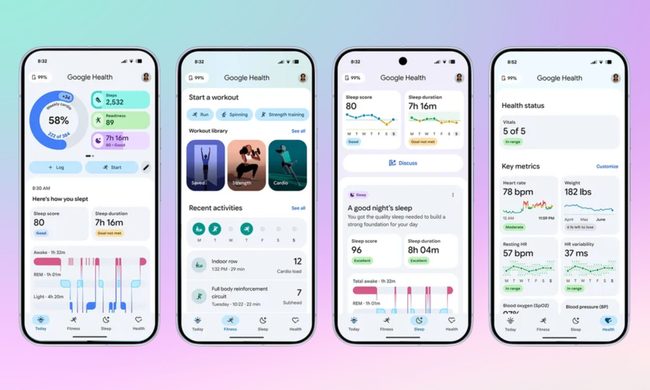
Despite not offering major upgrades over its predecessor, Google’s latest mid-ranger is a solid choice for anyone seeking the Pixel experience on a budget. The Pixel 10a delivers clean software with a suite of handy AI features, reliable everyday performance, decent battery life, and capable cameras at an affordable price point. But viewed purely through a hardware lens, the newly launched Nothing Phone 4a Pro appears to have the upper hand.
Nothing appears to offer more for the same price
Although both phones start at the same price, the Phone 4a Pro seems to deliver significantly more at first glance. Its 6.83-inch OLED display is not only larger than the Pixel 10a’s 6.3-inch pOLED panel, but also brighter, reaching a peak of 5,000 nits compared with the Pixel’s 3,000 nits. It also pushes the refresh rate up to 144Hz and offers a higher resolution, which should translate into a smoother and sharper viewing experience.

The Phone 4a Pro also brings a few additional hardware perks, including a dedicated 50MP 3.5x telephoto camera, faster 50W wired charging, and the upgraded Glyph Matrix on the back. Taken together, these additions make Nothing’s latest mid-ranger look like the more feature-packed option on paper. But even from a hardware standpoint, not everything goes in Nothing’s favor.
Where the Pixel 10a pulls ahead
While the Phone 4a Pro may look more impressive initially, the Pixel 10a quietly holds the advantage in several key areas, even in terms of hardware.
For starters, the Pixel is powered by the Tensor G4 chip. While it may not be Google’s latest flagship processor, it’s still a flagship-grade chip that tends to outperform the mid-range Snapdragon 7 Gen 4 in several benchmarks, even if only marginally.
That slight performance advantage may not be noticeable in everyday use, but it could show up in certain workloads, giving the Pixel a small edge. The Phone 4a Pro, however, may have an advantage when it comes to sustained performance, thanks to its large vapor chamber that should help it manage heat more effectively.

Connectivity is another area where the Pixel 10a outshines the Phone 4a Pro, offering support for Bluetooth 6, Wi-Fi 6E, and USB 3.2. In contrast, Nothing mid-ranger comes with Bluetooth 5.4, Wi-Fi 6, and USB 2. These upgrades should translate into faster data transfers, improved wireless performance, and better connectivity for Bluetooth accessories.
The Pixel 10a also packs a slightly larger 5,100mAh battery than the international variant of the Phone 4a Pro, which houses a 5,080mAh pack. However, Nothing will ship the model sold in India with a bigger 5,400mAh battery, something buyers in that market should keep in mind.
The difference in capacity may be small, but what matters more is that the Pixel supports wireless charging, a feature that the Phone 4a Pro lacks entirely. For many buyers, the convenience of simply placing the phone on a charging pad can matter more than faster wired charging speeds, giving the Pixel another edge.
Durability is also in Google’s favor. While both devices feature Corning’s Gorilla Glass 7i, the Pixel carries an IP68 rating for water and dust resistance, whereas the Phone 4a Pro settles for IP65. That may not sound like a big difference, but IP68 means the Pixel can survive full submersion in water, while the Nothing phone is only certified to withstand low-pressure water jets.
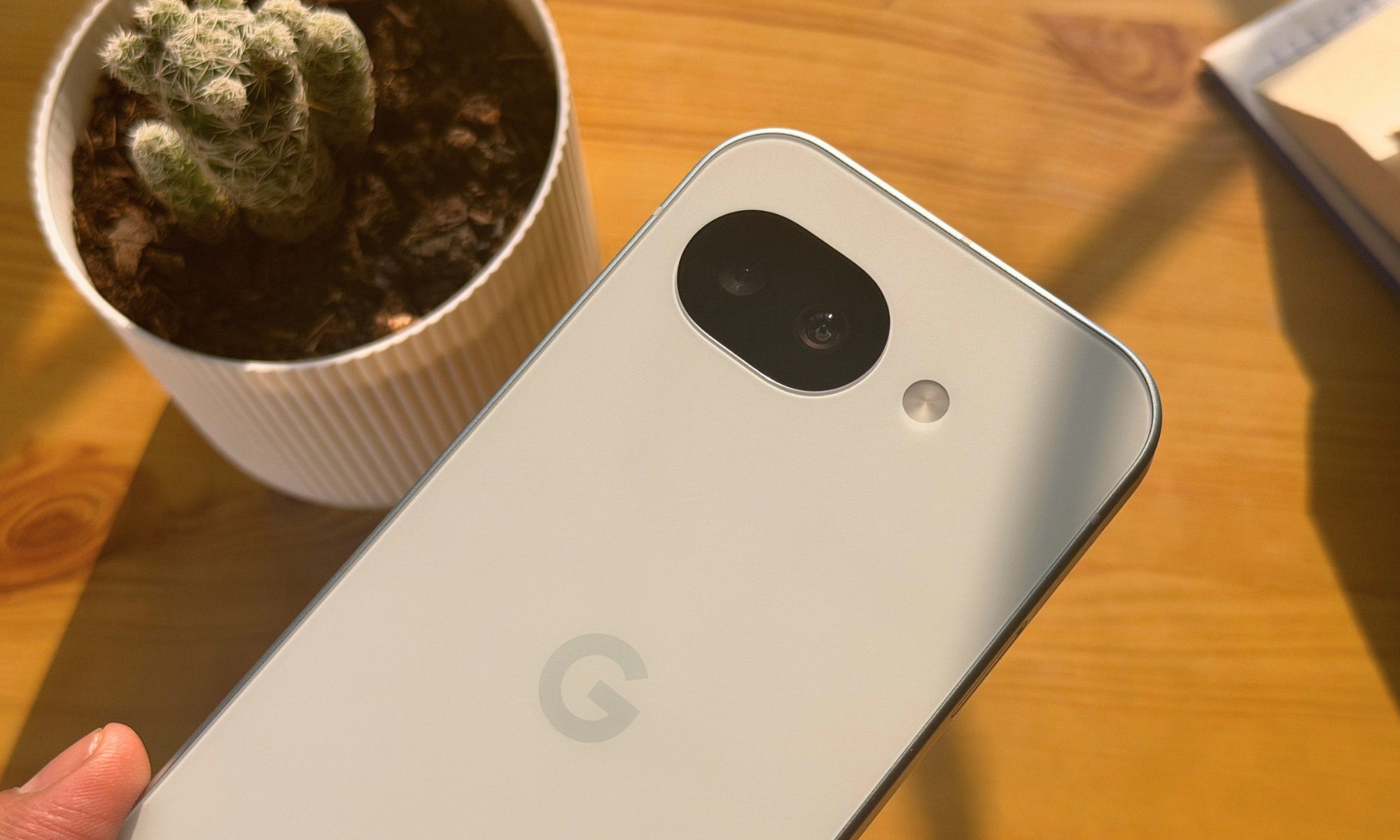
Finally, there’s the camera system. Although the Phone 4a Pro offers more flexibility with its dedicated telephoto camera, Google’s image processing has historically delivered some of the most consistent results. As such, the Pixel 10a is likely to deliver better shots despite having fewer sensors. That being said, we’ll need to put both phones through their paces to see how they truly compare in real-world shooting scenarios.
When it comes to video capture, the Pixel has a clear advantage. It supports 4K recording at up to 60fps and 1080p at up to 240 fps, while the Nothing phone is limited to 4K at 30fps and 1080p at 120 fps on the rear cameras. The Pixel’s selfie camera is also more capable, offering support for 4K video at 30fps, whereas the Phone 4a Pro is capped at 1080p at 30fps.
The Pixel’s real advantage
While the Pixel 10a clearly trumps the Phone 4a Pro in several key hardware areas, the comparison could still swing in Nothing’s favor for some buyers thanks to its better display, faster charging, or simply its cooler design. However, the Pixel’s biggest strength ultimately lies in its software experience.
The Pixel 10a runs Google’s version of Android that typically receives faster updates and longer support than most competitors. For its latest midranger, Google has promised seven major OS upgrades and seven years of security updates. The Nothing Phone 4a Pro, on the other hand, is set to receive only three major Android upgrades and six years of security patches.
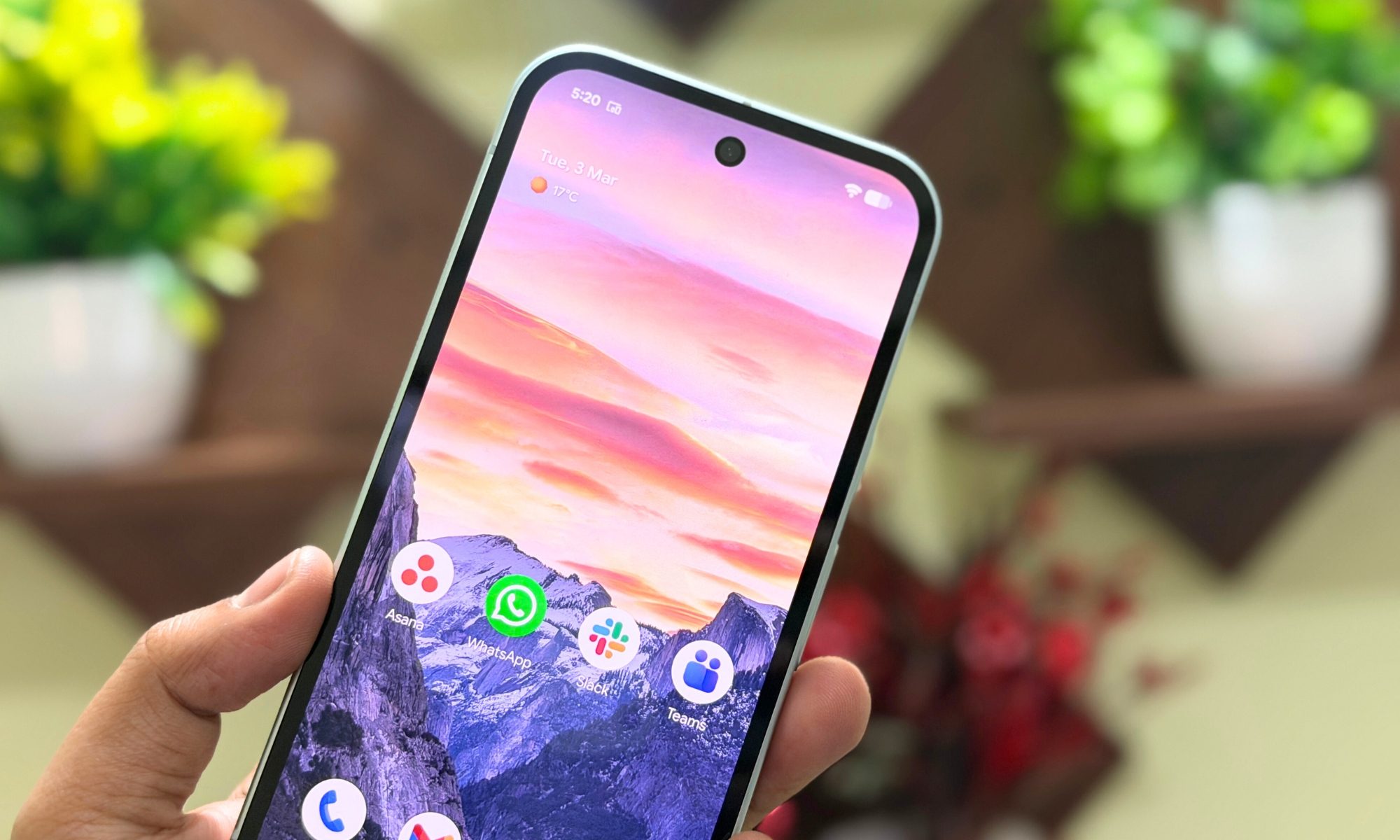
Google’s software also brings several handy AI features, ranging from tools that enable smarter photo processing to thoughtful calling utilities like Call Screen and Hold for Me, to name just a few. These additions may not show up on a spec sheet, but they can still make a noticeable difference in day-to-day use and ultimately give the Pixel a distinct advantage.
Nothing’s Nothing OS 4.1 has its own appeal with its unique design language and customization options. It even offers its own set of AI features, such as Essential Search, Essential Space, and Essential Memory, but these additions still feel more experimental in comparison and lack the maturity and depth of Google’s offerings.
As a result, while Nothing’s software stands out for its personality and visual flair, Google’s approach ultimately delivers a more polished and dependable experience. So while the Phone 4a Pro may grab your attention with its striking design and flashy hardware perks, the Pixel 10a still comes out ahead where it matters most.