  1. Home
  2. Phones
  3. News

The world’s chip lord issues price hike warning that’s going to hurt your phone and laptop

TSMC, the company behind the chips in virtually every consumer device, says inflation is driving up costs and hasn't ruled out passing them on.

Add as a preferred source on Google
TSMC Fab
TSMC

The world’s largest chipmaker has signaled that rising costs may force it to increase prices for the chips that power consumer devices and AI infrastructure.

Speaking to the BBC, TSMC CFO Wendell Huang confirmed that inflation is driving up the company’s costs and did not rule out passing those increases on to customers. He stopped short of committing to sudden dramatic increases, saying the company would not impose “fourfold, fivefold” price rises. TSMC chairman and CEO CC Wei separately told shareholders the same day that he would “like” to raise prices, as competitors have already done.

Why this matters for you

TSMC manufactures the chips inside virtually every major consumer device. Apple, Nvidia, and AMD all rely on the company’s fabrication plants to produce their most advanced silicon, meaning any increase in chip production costs can travel down the supply chain to the phones, laptops, and AI services that you buy.
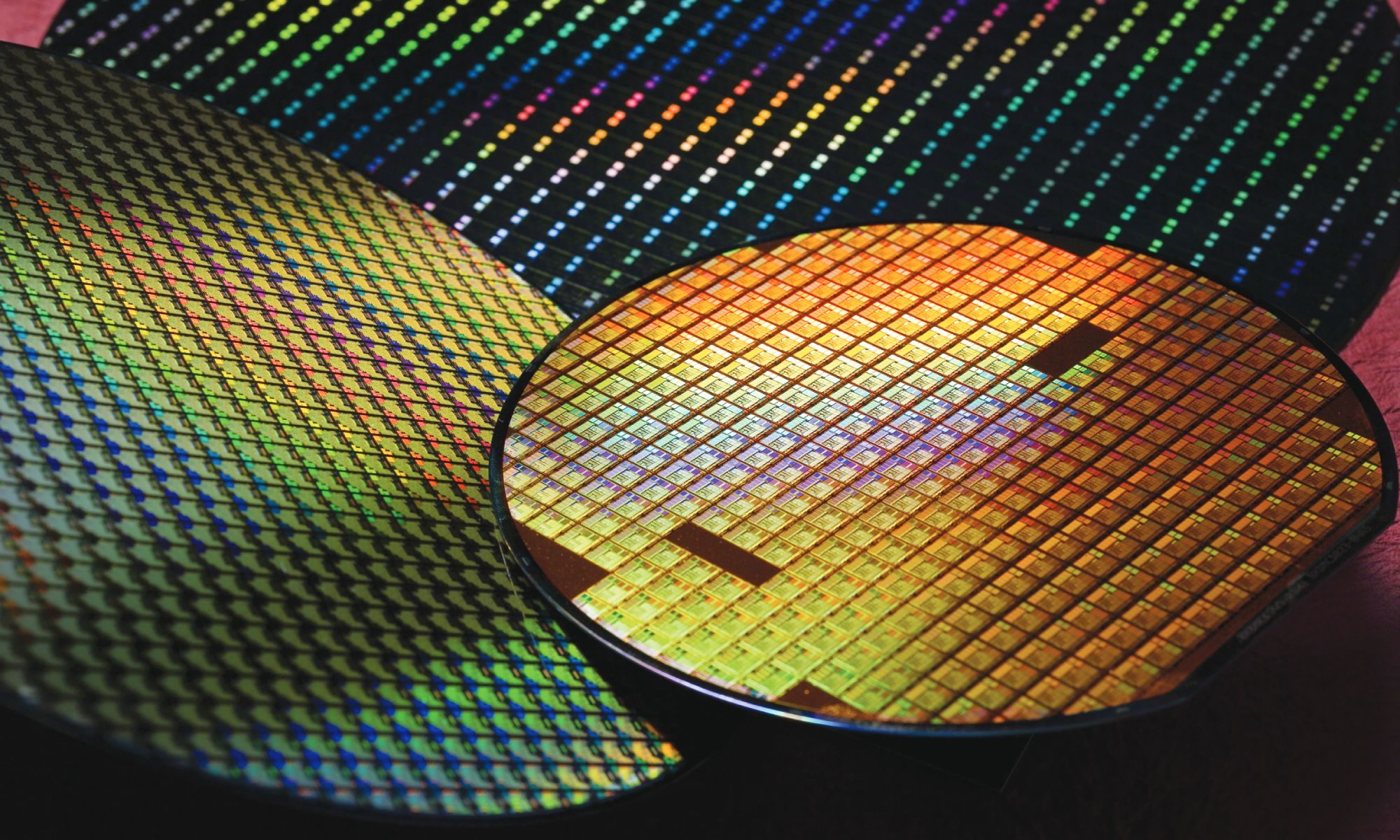
TSMC holds a dominant position in the global chip market. Taiwan produces the majority of the world’s most advanced chips, and TSMC sits at the center of escalating US-China trade tensions, with Washington pressing chipmakers to expand production domestically to secure supply chains.

What’s driving the cost up

Huang told the BBC that inflation is the primary culprit, pushing up the cost of doing business across the company’s operations. TSMC is also spending heavily to expand manufacturing beyond Taiwan, committing $165 billion to its Arizona operations alone, with additional plants under construction in Germany and Japan.

Recommended Videos

Huang acknowledged that moving the full manufacturing ecosystem to the US would take “five or 10 years, or even longer,” suggesting the cost pressures from that expansion won’t be going away soon.

Pranob Mehrotra
Pranob is a seasoned tech journalist with over eight years of experience covering consumer technology. His work has been…
Everything Apple announced at WWDC 2026: iOS 27, next-gen Siri, AI upgrades, and more
Apple stopped making promises at WWDC 2026 and started delivering: Siri AI, six OS updates, and Cook's farewell.
WWDC 2026 poster

Unlike most years, Apple’s WWDC 2026 carried more weight than usual, not just because it was Tim Cook’s final keynote as CEO, but also because it represented Apple’s chance at redemption after missing deadlines, mounting questions, and criticism about its ability to keep pace in the AI race. 

Fortunately, Apple answered many of those questions on June 8, 2026, unveiling an upgraded AI-powered Siri alongside a range of new Apple Intelligence features, while also raising a few fresh questions. WWDC was packed with announcements across six operating systems that underpin Apple’s ecosystem of devices. 

Read more
iOS 27 offers the clearest sign that a foldable iPhone is right around the corner
Resizable iPhone apps may be Apple’s first step toward a foldable iPhone
iPhone Ultra

Apple’s WWDC 2026 event was packed with major software announcements, including its new Siri AI experience, expanded child safety tools, and the latest operating system updates for its phones, Macs, and iPads. It was only a matter of time before someone dug out something interesting from the new software, and developer Sam Henri Gold might have just found the biggest clue yet that Apple is planning to launch a foldable iPhone soon.

iOS 27 is quietly preparing apps for a foldable future

Read more
Smartphones are to blame for declining birth rates, as studies highlight the iPhone’s role
Two new papers link smartphone adoption to falling birth rates in the US and across 128 countries, though some economists say the case remains unproven.
Electronics, Mobile Phone, Phone

The timing has long raised questions. Birth rates in the US and dozens of other countries began falling in 2007, the same year Apple put the first iPhone on sale. Two new academic papers, highlighted by The New York Times, now argue that the overlap is not a coincidence.

What the research found

Read more