
  1. Home
  2. Social Media
  3. News

Big tech is finally taking child safety seriously, but TikTok and YouTube are lagging behind

Big tech finally got the memo on child safety, and Ofcom isn't done pushing.

Add as a preferred source on Google
a boy using iPhone
Ivan Prokhorov / Unsplash

If you have kids who use Snapchat, Instagram, or Roblox, some meaningful changes are coming their way. UK regulator Ofcom has secured new commitments from all three platforms to better protect children from online strangers and potential groomers.

Snap is making the biggest moves by agreeing to adopt all of Ofcom’s recommended grooming-prevention measures. Adult strangers will no longer be able to contact children by default, and kids won’t be nudged to expand their friend lists to people they don’t know. The platform will also roll out age verification to all UK users this summer to ensure under-18s receive these protections. 

Roblox is going further, too, giving parents the ability to turn off direct chat for under-16s entirely. Meta is developing a new setting to hide teens’ connection lists on Instagram and plans to use AI tools to detect suspicious conversations between adults and minors.

But what about TikTok and YouTube?

Not everyone got a gold star. TikTok and YouTube failed to commit to any significant changes to make their content feeds safer for children. Ofcom’s research found that nearly three quarters of 11 to 17-year-olds encountered harmful content in a four-week period, with over a third coming across it while scrolling their feeds. TikTok and YouTube ranked among the top platforms where this happened. Both companies insist their feeds are already safe. Ofcom clearly disagrees.
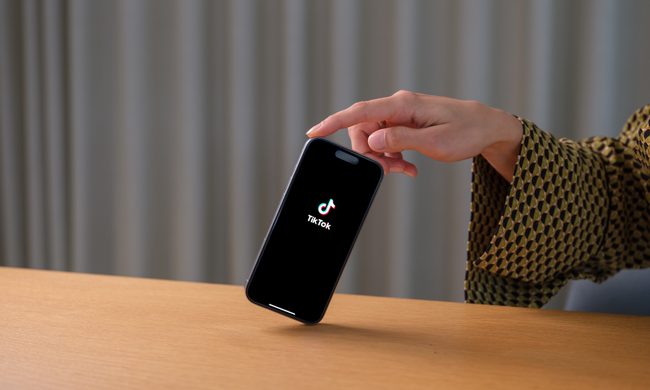
Why are 8-year-olds still on TikTok and Instagram?

Research shows that 84% of children aged 8 to 12 are still using at least one platform. It’s because it’s really easy to fool the age-verification policies these platforms have in place as of now.

Recommended Videos

Ofcom has written to the Secretary of State advising that stronger legislation may be needed to give regulators the teeth to actually enforce age limits. For now, Ofcom has laid out a five-point action plan to monitor these commitments and push for further change, with enforcement action on the table for platforms that don’t comply.

Children’s safety should be a no-brainer issue that no company in existence should have a problem with. It’s good that some companies are following Ofcom’s guidelines and enacting stringent protective measures.

However, there should not be a need for a regulatory body to enforce safety practices. Social media companies need to take responsibility and be more proactive in addressing these issues, something they have clearly failed at in the past.

Rachit Agarwal
Rachit is a seasoned tech journalist with over seven years of experience covering the consumer technology landscape.
LinkedIn is coming for AI slop, and it’s about time the platform took action
Finally, some spring cleaning for your LinkedIn feed
LinkedIn app on App Store iPhone side shot

You’ve probably come across LinkedIn posts that sound way too polished. These feel inauthentic while trying to sound motivational and strangely empty. The kind that turns a basic workplace thought into five neat paragraphs that push a fake lesson, and a comment section full of robotic applause.

Well, LinkedIn is now calling this a problem. The platform says it is taking new steps to reduce the reach of what it calls “AI slop,” referring to low-effort, AI-generated content that may sound clean on the surface while offering little original thought, expertise, or lived perspective.

Read more
YouTube is giving creators a new weapon against AI deepfakes
Phone in hand showing YouTube logo

AI-generated videos are getting so realistic now that spotting a fake version of someone online is becoming harder by the week. And for creators, that opens up a pretty uncomfortable problem: what happens when your face starts appearing in videos you never made? YouTube seems to be taking that concern seriously.

The platform is now expanding its AI likeness detection system to a much larger group of creators, giving eligible users new tools to track and report videos that digitally imitate them using artificial intelligence. The feature was previously limited to a smaller pilot group within the YouTube Partner Program, but YouTube says it will begin rolling it out to all eligible creators over 18 in the coming weeks.

Read more
Spotted a mistake on your Instagram Story? You can finally edit it after posting
Instagram's new Edit Story feature means no more deleting and starting over.
instagram-story-edit-feature

We have all posted an Instagram Story with a typo and had no choice but to delete the whole thing and start over. Those days may be finally be behind you.

Instagram is finally rolling out the ability to edit a Story after it has already been posted. It seems to be a limited rollout for now. Social media consultant Matt Navarra was among the first to flag it on X.

Read more