
  1. Home
  2. Social Media
  3. News

Social media scams caused over two billion dollars in losses to consumers last year

Facebook scams led consumer losses as social media fraud surged in 2025

Add as a preferred source on Google
cyberscam-romance-scam
Mohammed Hassan / Pixabay

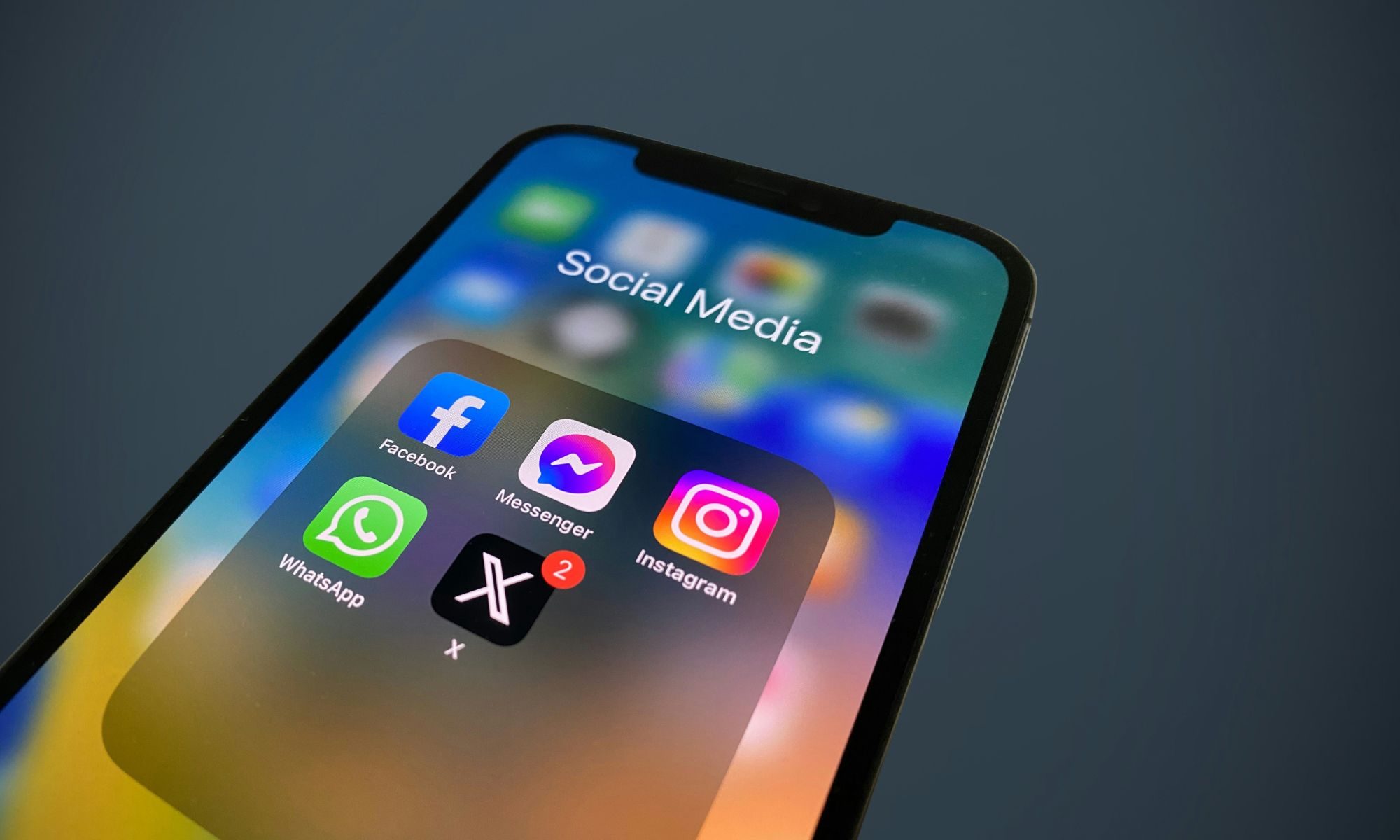
Social media is now America’s most expensive scam hotspot. According to the Federal Trade Commission (FTC), consumers reported $2.1 billion in losses from platform-based fraud in 2025, a number that has grown eightfold in five years. Nearly one in three fraud victims said the con started on a social platform.

Why is Facebook such a big target?

Facebook stood out as the biggest source of reported losses. The FTC said scams that started on Facebook led to higher losses than those originating on any other social media platform, with WhatsApp and Instagram well behind. Losses linked to Facebook-originated scams also exceeded those tied to schemes that began via text messages or email.
The pattern is especially concerning because Facebook remains one of the most widely used platforms among adults. Its broad reach across age groups gives scammers a large pool of potential targets, including older users who may rely on the platform to stay connected with family, community groups, local sellers, and old friends.

Recommended Videos

The FTC said scammers use social media’s own design to their advantage. They can buy targeted ads, study public posts, impersonate brands, hack accounts, or pose as people who seem familiar. A fake shopping ad can lead to a copied retail site. A friendly message can become an investment pitch. A romance scam can begin with a profile check and later turn into a fake emergency.

How are these scams reaching users?

Investment scams caused the biggest losses, with $1.1 billion reported in 2025. Many began with ads, posts, or WhatsApp groups showing fake success stories. Shopping scams were the most commonly reported, with victims often buying products from social ads that never arrived. Romance scams also grew through social platforms, with nearly 60% of reported romance scam losses starting there.

With AI tools making fake messages, images, voices, and profiles harder to spot, social media scams could become more convincing in the future. For now, the FTC advises users to keep profiles private, avoid investment advice from online-only contacts, and search a company’s name with “scam” or “complaint” before buying from social media ads.


Sudhanshu Kumar Mangalam
I’ve got about 4 years of experience, mostly covering gaming, PC hardware, and smartphones. In my free time, I like…
I found an app that finally broke my toxic affair with doomscrolling
Electronics, Mobile Phone, Phone

I won’t pretend I’m above it — I watch Instagram Reels and YouTube Shorts like everyone else, and it usually starts small. A notification pops up, I unlock my phone, and I tell myself I’ll just check one thing. The next moment, I’m deep into a stream of random videos, with no idea how I got there or how much time has quietly slipped away. I’ve genuinely tried to fix it — I set app timers and convinced myself I’d follow them. I even removed Shorts from my YouTube feed, thinking that would finally solve it. I tried apps that promise to limit usage and keep you in check. For a day or two, it felt like I had things under control. Then slowly, almost without noticing, I’d fall right back into the same loop. This habit creeps in during moments of boredom, and suddenly I’m scrolling again.

At some point, I had to admit it — doomscrolling was no longer something I occasionally did; it was something I kept returning to without even thinking about it. Then, almost by accident, I found an app that actually made a difference. It didn’t completely fix everything overnight, but it did something more important. It made me pause and be aware of what I was doing in that moment. And that small interruption was enough to help me pull back before I went too far. It just gave me a bit of control, which was exactly what I needed.

Read more
WhatsApp for Windows feels worse than ever, and I’m tired of pretending otherwise
The new WhatsApp for Windows is divisive, laggy, and weirdly hard to trust
WhatsApp Web

WhatsApp on PC is supposed to be one of those basic apps that you wouldn't normally think twice about. Just like its Android or iOS counterpart, it should serve as a reliable daily messaging tool to keep you in the loop with friends, family, and work.

You open it, reply to a message, drag in a file, maybe take a quick call, and move on with your day. But the current version of WhatsApp for Windows feels a lot like it's fighting you in each one of these aspects.

Read more
X introduces XChat messaging app for iPhone users
You might need another app to chat on X
XChat

X, the social platform formerly known as Twitter, has officially launched its standalone messaging app, XChat, on iOS. The move marks a significant step in the company’s broader push to evolve beyond a traditional social network and into a more expansive communication ecosystem.

A Messaging App That Signals X’s Bigger “Everything App” Strategy

Read more