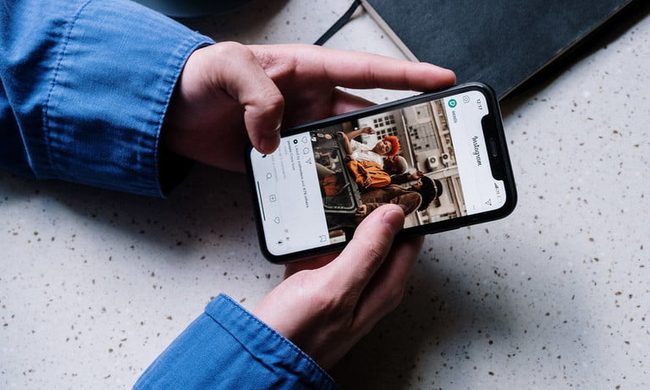
I won’t lie, I got addicted to Instagram. And for a long time, I didn’t even realize how much it was messing with my head. It sounds dramatic when you say it out loud, but it really crept up on me. I got so used to watching Instagram reels all the time that my brain just stopped having patience for anything longer. A full YouTube video felt like a commitment, and reading something without checking my phone in between felt impossible. And the worst part was, I knew exactly why it was happening.
I tried fixing it the usual ways — set app timers, try apps that stop you from doomscrolling, and tell myself I’d cut down. Some days it worked, most days it didn’t. I’d still find myself opening Instagram without even thinking about it. So one day, I stopped trying to control it and just deleted the app from my iPhone. And honestly, that one small decision did more for me than everything else I had tried.
The first few days were strangely uncomfortable
I thought I’d feel relieved right away, but that’s not how it went. The first thing I noticed was how often I reached for it without thinking. I’d unlock my phone and instinctively swipe to where Instagram used to be — my thumb just knew the spot. It made me realize how deeply the habit had settled in. I kept picking up my phone for no reason, opening it, finding nothing to scroll, and putting it back down. It felt like something was missing, even though I knew I hadn’t lost anything important.
There was this low, constant restlessness. But that phase didn’t last as long as I expected. After a few days, the urge started to weaken. I still had the habit, but it didn’t pull me in the same way. And slowly, that restlessness turned into something quieter. My phone stopped feeling like something I needed to check all the time.
I didn’t realize how much it was affecting how I saw my own life
This part took a little longer to sink in. Instagram has a way of making you feel like you’re just keeping up with people. That’s what I used to tell myself. I’m just scrolling, catching up, passing time, but it really wasn’t that simple.
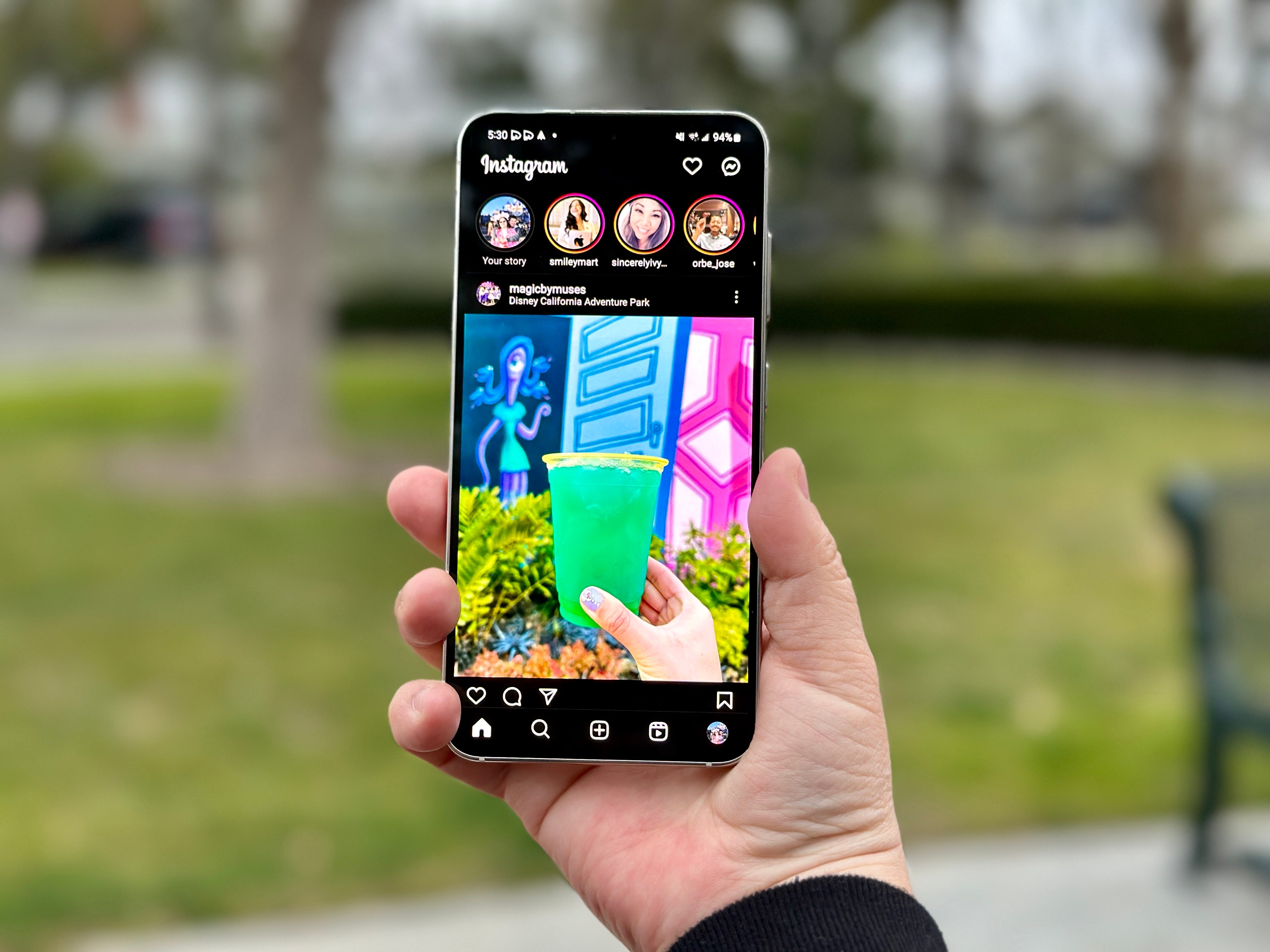
Every time I opened the app, I saw people traveling, celebrating, looking their best, living what looked like better versions of their lives. And even if I wasn’t consciously comparing, it still affected me. It created this constant background feeling that I was somehow behind. That other people had figured things out better than I had. I didn’t actively think about it, but it was always there, shaping how I felt. Once Instagram was gone, that feeling didn’t have anything to feed on anymore. And slowly, it faded.
My attention span came back, and I actually noticed it
This is something I didn’t expect at all. A couple of weeks in, I sat down to watch a 20-minute video and didn’t feel the urge to skip through it. I just watched it. This sounds like a small thing, but it didn’t feel small to me. Before that, my brain needed constant stimulation. If something didn’t grab me instantly, I’d lose interest. That’s what reels had trained me to expect.
Without that constant loop, things started to change. I could sit with something a little longer. Then a little longer than that. I started reading again, properly reading. Not jumping between paragraphs, not getting distracted every few minutes. It felt like getting a part of my focus back that I didn’t even realize I had lost.
I stopped comparing my life without even trying to
When Instagram was part of my daily routine, I was constantly exposed to other people’s best moments. Trips, milestones, perfect photos, everything looking effortless. I told myself it didn’t affect me that much. But once it was gone, I realized it had been affecting me all along. Because suddenly, there was nothing to compare against.
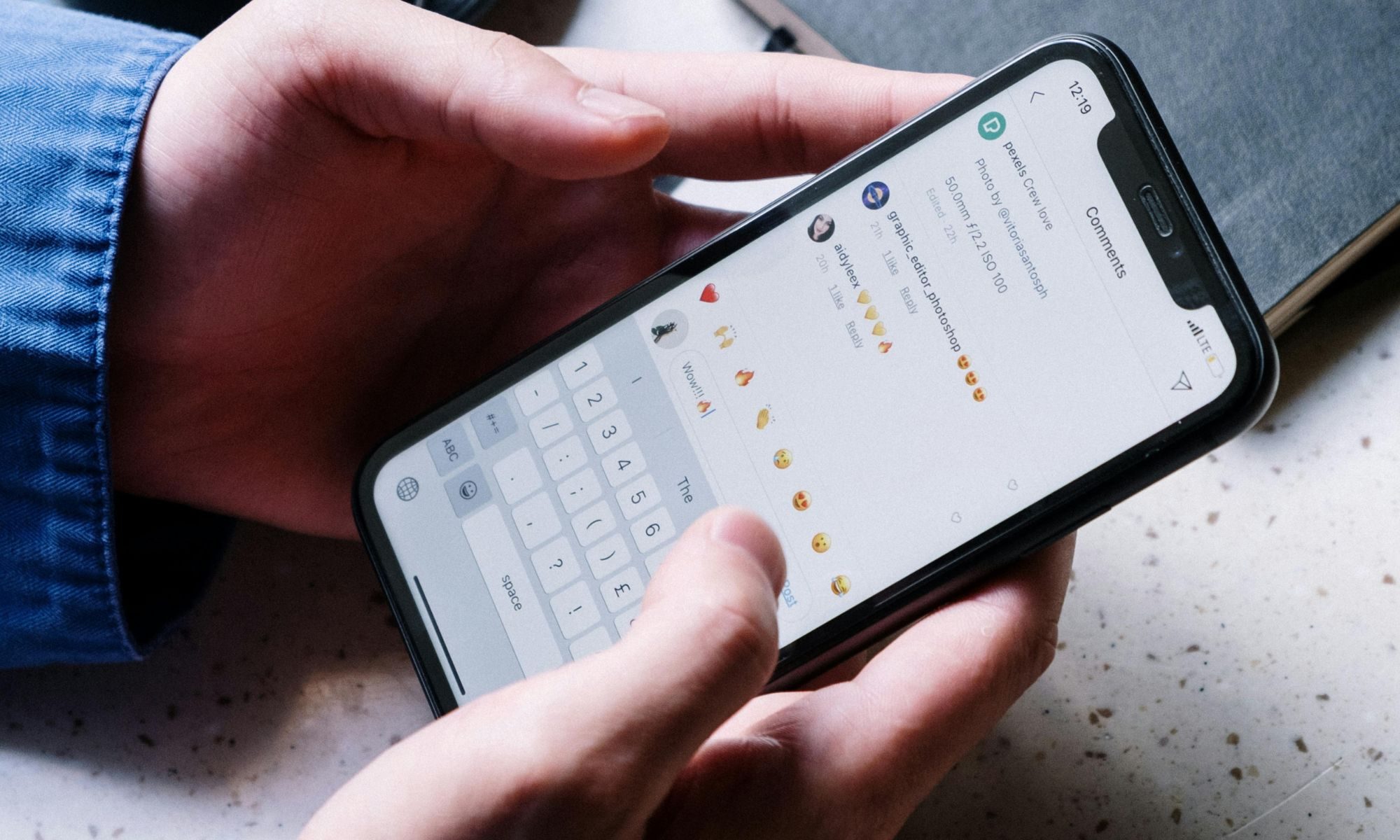
No constant reminders of what I should be doing or how my life should look. No silent pressure to measure up. And in that space, something changed — I felt more at ease with my own life. Not because anything big had happened, but because I wasn’t constantly looking at someone else’s version of “better.” It was just a steady sense of being okay with where I am.
The quiet I didn’t know I was missing
Deleting Instagram didn’t suddenly turn my life around. I didn’t wake up the next day feeling more productive, more focused, or completely at peace. That kind of overnight change is a myth. What actually happened was much simpler. At first, it just felt like there was less happening. Fewer distractions, fewer impulses to pick up my phone, fewer moments where my attention got pulled away without me realizing it. My days didn’t become perfect, but they became easier to sit through. I wasn’t constantly interrupting myself. Over time, that started to add up.
I noticed I could stay with a thought a little longer. I didn’t feel the need to fill every gap with something to watch. Even boredom felt different; it wasn’t something I needed to escape immediately. Sometimes I just let it be, and that in itself felt new. There was also this unexpected sense of relief. Not loud or overwhelming, just a steady feeling in the background. Like I had stopped carrying something heavy without realizing I was carrying it in the first place. And maybe that’s what changed the most. It wasn’t about gaining something extraordinary; it was actually about losing something unnecessary. The constant noise, the low-level comparison, the habit of reaching for my phone without thinking. All of it slowly faded out. My life didn’t become more exciting. It just became more mine — clearer, calmer, and a lot less crowded in my head.