
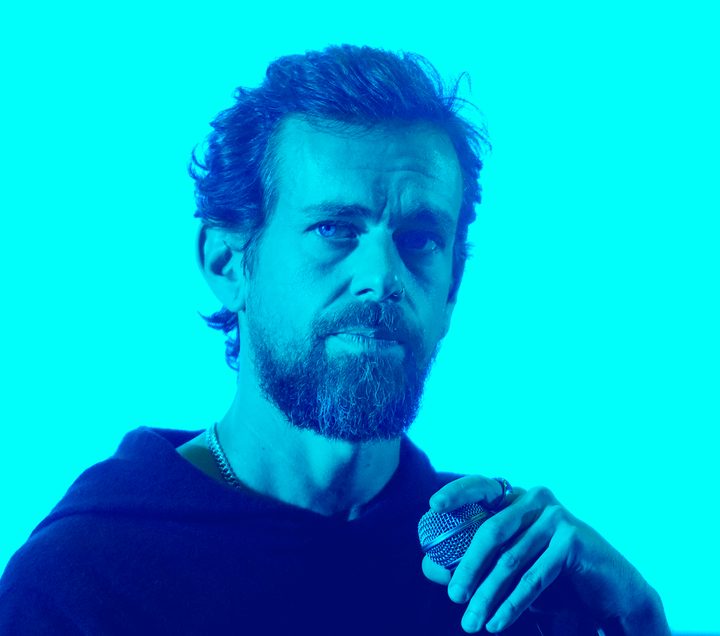
On Wednesday, Twitter announced it will no longer host political ads on its social media platform. “We’ve made the decision to stop all political advertising on Twitter globally,” CEO Jack Dorsey tweeted. “We believe political message reach should be earned, not bought.”
As of now, there aren’t a lot of details on how the ban will work. In addition to ads about specific candidates and elections, “issue ads” also won’t be allowed. That includes those that “advocate for or against legislative issues of national importance (such as: climate change, healthcare, immigration, national security, taxes),” according to Vijaya Gadde, the company’s global lead for legal, policy, and trust and safety. To be clear: Politicians will still be able to tweet their own ads; they just won’t be able to pay Twitter to promote them.
“Implementing something like that, I think could be messy in a lot of ways,” said Gennie Gebhart, associate director of research at the Electronic Frontier Foundation. Dorsey said he would answer more questions on Periscope next week. Gadde’s tweet alone leaves Gebhart with a lot of questions: “At what point does something become a legislative issue? How do you know it’s of national importance?”
Scenarios where this ban might be tricky are easy to find. There’s been some speculation that non-profits that focus specifically on environmental and health issues could be unduly impacted. In 2014, Twitter was urging non-profits to advertise during the busy holiday giving season. Its marketing team spotlighted a number of examples in a blog. It’s difficult to say if all these ads would make it past the upcoming politically-oriented ban. That same year, Doctors without Borders shared a GIF saying it had delivered nearly 2.5 million measles vaccines. That’s a factual statement, but it’s also about healthcare. Social media has fueled the spread of vaccine misinformation, and it’s unclear if Twitter will treat medical information the same as debunked claims.
Nothing crystallizes this issue better than the words of the late, great Anthony Bourdain. “There’s nothing more political than food,” he once said. “Who eats? Who doesn’t? Why do people cook what they cook? It is always the end or a part of a long story, often a painful one.” Will Impossible be able to advertise its products on Twitter, even though the very existence of meatless burgers is wrapped up in politics? The only entity that spent more money on Facebook ads about impeachment than the president? Penzey’s, a spice seller. If water is a political issue, does that mean World Vision wouldn’t be able to run its ad from 2014: “Dirty water kills 1,600 children daily. Every child deserves to drink clean water”?
Then there’s climate change, which is pressing but also contentious — though more so in the U.S. than most other countries. As one Twitter user pointed out, a gas company would be free to advertise on the social media site, post-ban, but an organization saying fossil fuels cause climate change might not be.
Expect companies, organizations, and individuals to thread the needle with whatever rules Twitter comes up with. Some ads that shouldn’t get banned likely will, and vise versa. Vacations, retail, entertainment — it’s all political, even if those politics are invisible. Future Twitter ads might become subtler and less explicit with their messaging.
As Gebhart says, things will likely be messy, and the company will need to be transparent about the kinds of ads users won’t be seeing. Still, she’s cautiously optimistic that the ban is a step in the right direction. But, she adds, “it’s hard to see how to get it right, honestly, without banning advertising altogether, which would be great.”


