
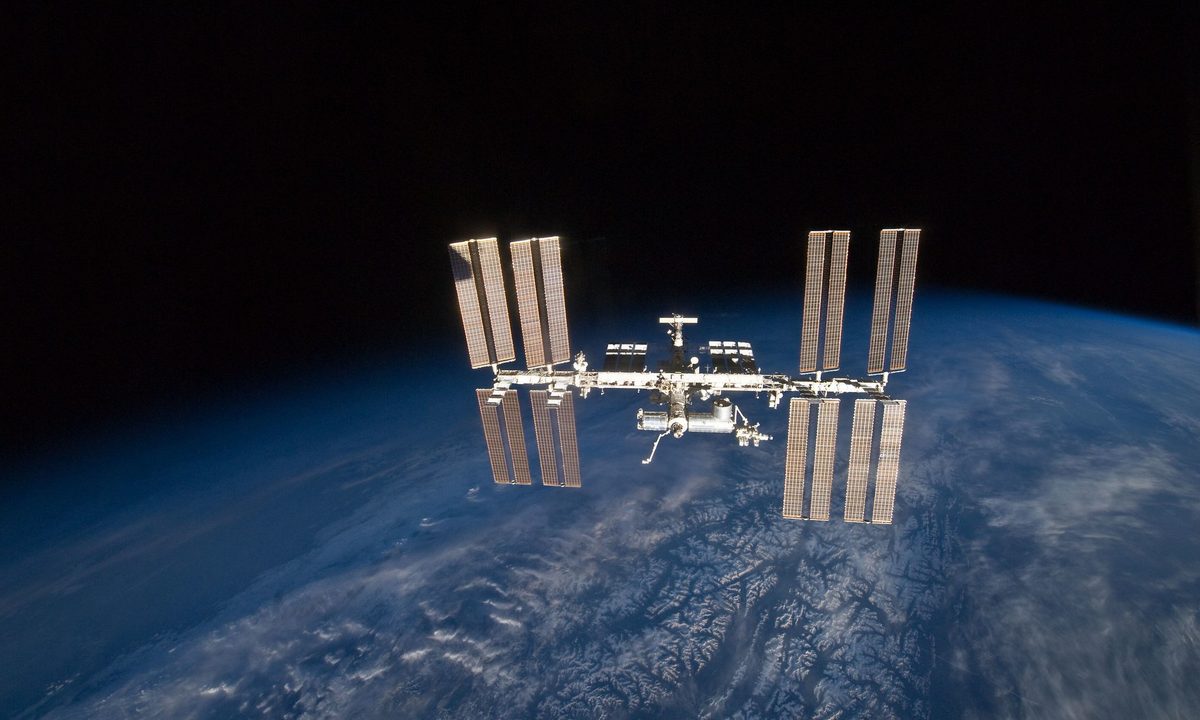
Astronauts aboard the International Space Station reportedly took precautionary shelter measures after maintenance work on a long-troubled Russian module raised fresh safety concerns about air leaks aboard the orbiting laboratory.
According to reports, the incident involved Russia’s Zvezda service module, which has experienced recurring air leak problems for several years. During repair work and pressure tests connected to the leak investigation, astronauts were instructed to isolate themselves in safer sections of the ISS as engineers monitored the station’s integrity and pressure stability.
The event highlights the growing strain on aging infrastructure aboard the International Space Station, particularly within some of the older Russian-built modules that have remained operational far beyond their original expected service life. While NASA and Roscosmos reportedly emphasized that the crew was never in immediate danger, the precautionary shelter procedures underscore how seriously space agencies continue to treat even relatively small leaks in orbit.
The International Space Station is showing signs of age
The Zvezda module has become a recurring source of concern in recent years. First launched in 2000, the module serves as one of the core components of the Russian segment of the ISS and supports life-support systems, crew quarters, and station operations.
Air leaks linked to tiny cracks inside the module have been detected multiple times over the past few years. While engineers have repeatedly patched and monitored the affected areas, the exact cause of some leaks remains difficult to fully determine. Reports suggest that Russian teams recently conducted additional sealing efforts and pressure tests to determine whether the repairs had successfully stabilized the module.
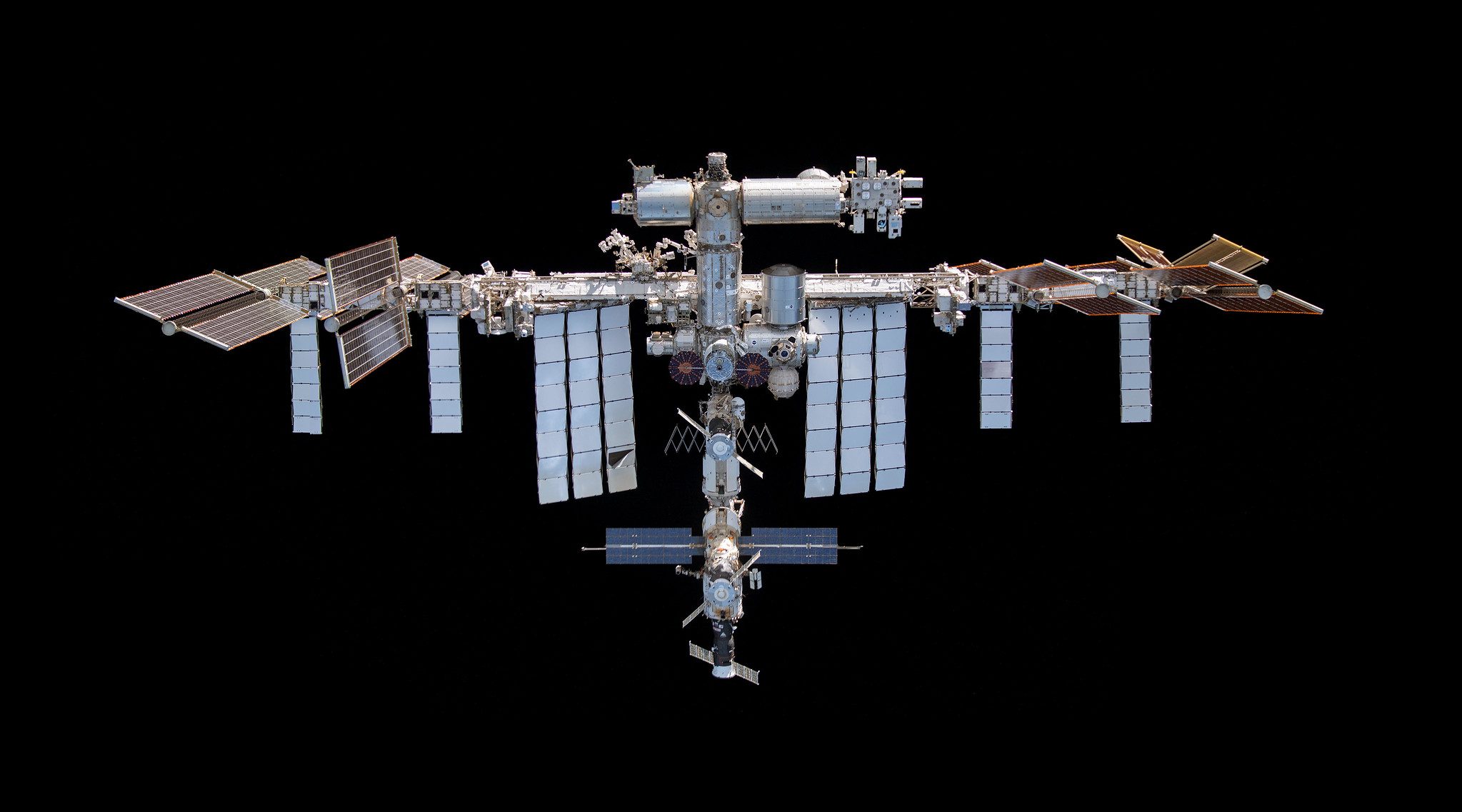
Image: The long axis of the complex is seen in this 2021 image of the International Space Station. In this picture, the US segment and Crew Dragon docking port are close to the top, while the Russian segment is toward the bottom. NASA is credited.
Because the ISS operates in the vacuum of space, even minor air leaks are treated as serious engineering risks. A gradual loss of cabin pressure can threaten crew safety if not carefully monitored and controlled. Astronauts regularly train for emergency leak scenarios, including isolating modules and taking shelter in docked spacecraft if necessary.
The incident also occurred during a period of increasing uncertainty surrounding the future of the ISS itself. Originally designed with a more limited operational lifespan, the station has now been continuously inhabited for more than two decades. As components age, maintenance challenges are becoming more frequent and more technically complex.
Space agencies are trying to keep the ISS running safely
Despite the concerns, the ISS continues to function as one of humanity’s most important scientific research platforms. NASA, Roscosmos, ESA, JAXA, and other international partners still rely heavily on the station for microgravity experiments, medical research, and long-duration spaceflight studies.
However, recurring technical issues have intensified discussions about how long the station can realistically remain operational before replacement systems become necessary. NASA has already shifted focus toward supporting future commercial space stations that could eventually succeed the ISS later in the decade.
For now, engineers appear focused on stabilizing the Zvezda module and continuing close monitoring of pressure levels and structural integrity. Reports indicate the station remains operational, and astronauts have resumed normal activities following the precautionary shelter procedures.
Still, the episode serves as another reminder that maintaining a permanently occupied laboratory in space is an extraordinarily difficult task – especially when parts of that laboratory are now older than many of the astronauts living inside it.


