  1. Home
  2. Space
  3. News

NASA aims September launch for Roman space telescope and it’s going to be a huge shift

An earlier target for Roman means one of NASA’s most ambitious observatories is getting close, with the potential to open a huge new era in space discovery

Add as a preferred source on Google
Machine, Wheel, Astronomy
NASA

NASA is now aiming to launch the Nancy Grace Roman Space Telescope as soon as early September 2026, a faster timeline than its earlier commitment to fly no later than May 2027. That alone makes this one of the agency’s most important missions to watch over the next few months.

The reason is simple, Roman is built to scan vast parts of the sky with sharp infrared vision.

Recommended Videos

Instead of focusing narrowly on a small patch at a time, it’s designed to gather broad, deep surveys that can help scientists study dark energy, dark matter, exoplanets, galaxies, and stars at a scale that’s hard to match.

NASA also expects the telescope to produce a 20,000 terabyte archive over its five-year primary mission. That archive is projected to support work on 100,000 exoplanets, hundreds of millions of galaxies, and billions of stars, which helps explain why an earlier launch matters well beyond schedule talk.

A telescope built for scale

Roman’s biggest advantage is coverage. NASA says it will combine a large field of view with crisp infrared imaging, giving astronomers a tool that can survey huge areas of space more efficiently than observatories built for narrower views.
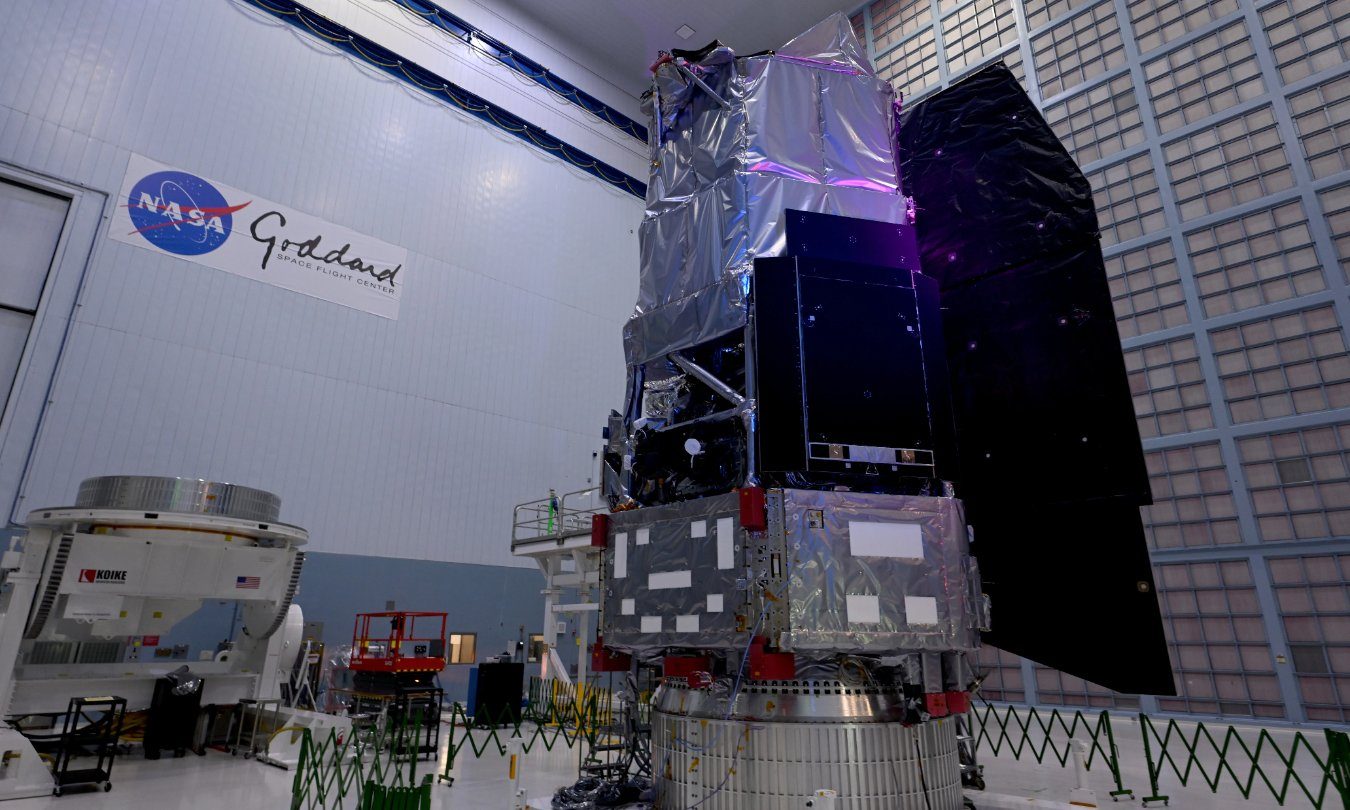
That matters because the mission wasn’t built for just one kind of science. While Roman was designed with dark energy, dark matter, and exoplanets in mind, NASA says its capabilities should also help astronomers find unusual objects and rare events that haven’t been seen before.

Why astronomers will care

Roman’s long-term value is likely to come from the data as much as the first discoveries. A mission that maps the sky this broadly can give researchers a shared resource they’ll revisit for years, using it to compare observations, test ideas, and pick out promising targets for other telescopes.

That gives the mission influence across astronomy, not just inside NASA. Roman could help shape what scientists choose to study next, which is often how a major observatory leaves its deepest mark.

What to watch before liftoff

The telescope is on track for delivery to Kennedy Space Center in June and is set to fly on a SpaceX Falcon Heavy from Launch Complex 39A in Florida.

Coming just after Artemis II, NASA’s first crewed lunar flyby in more than 50 years, Roman’s accelerated timeline adds to a rare stretch of momentum for the agency.
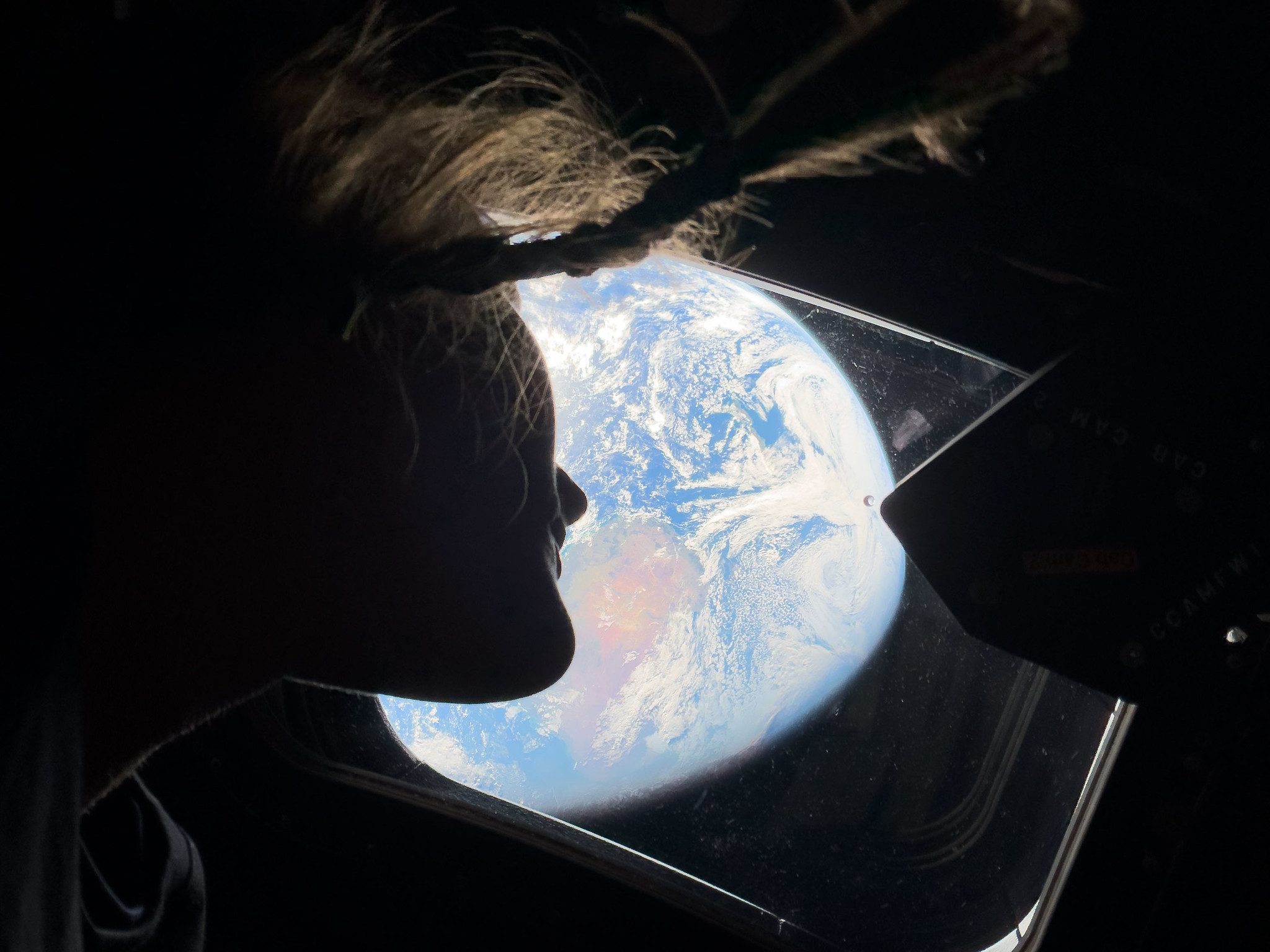
NASA says it will share more on the specific launch date as prelaunch work continues, so the next key milestone is whether that early September target holds.

Paulo Vargas
Paulo Vargas is an English major turned reporter turned technical writer, with a career that has always circled back to…
Blue Origin’s massive New Glenn rocket explodes in a fiery blaze during tests
The incident leaves NASA's Moon Base ambitions and Amazon's Kuiper constellation without their primary launch vehicle at the worst possible moment.
Explosion, Fire, Nuclear Explosion

Blue Origin's New Glenn rocket exploded during a static fire test at Launch Complex 36 in Cape Canaveral, Florida. The incident took place on the night of May 28, 2026. 

The explosion was captured on a live stream by NASASpaceflight.com and footage of the explosion spread rapidly across X. The Space Launch Complex 45 has confirmed in an official statement (shared by Spaceflight Now on X) that all personnel have been accounted for and there have been no injuries or fatalities.

Read more
Orbot Robotics’ space robot has four arms, but its Goro physique has a purpose
This four-armed robot could make routine space-station work easier for astronauts
Robot with four arms

Helios is a new four-armed robot from Zurich-based Orbit Robotics, and at first glance, it reminded me of Goro from Mortal Kombat. But unlike the prince from Outworld, Helios is not built for combat. It is designed to help astronauts on space stations with the repetitive, time-consuming work that keeps life in space running.

Orbit Robotics says that in microgravity, legs are not much help. Instead of walking or standing, Helios needs to move through tight station interiors, hold itself steady, and handle cargo, tools, or equipment. Its four-arm design turns extra limbs into both mobility aids and working hands.

Read more
A billionaire crypto bro will lead humanity to Mars atop Musk’s Starship
Chun Wang could become one of the first humans to travel toward Mars
Chun Wang in a space suit

Neil Armstrong and Buzz Aldrin became the faces of the Moon landing era. Elon Musk’s Mars era may get a very different public face in Chun Wang, a cryptocurrency billionaire whose fortune traces back to Bitcoin mining.

Wang is expected to lead a future SpaceX Starship mission that would fly past Mars and return to Earth. SpaceX has not announced a launch date, and the plan still depends on Starship proving it can safely carry humans far beyond Earth's orbit.

Read more