Blue Origin has achieved a major milestone in its spaceflight ambitions by successfully reusing a booster from its heavy-lift New Glenn rocket for the first time. The historic launch, conducted on April 19, marks a significant step forward for Jeff Bezos’ space company as it seeks to compete with rivals like SpaceX in the rapidly evolving commercial launch market.
A Milestone With A Mixed Outcome
The mission represented the third flight of the New Glenn rocket and featured a previously flown first-stage booster, underscoring Blue Origin’s push toward reusable rocket technology. The booster successfully landed after launch, demonstrating that the company can recover and reuse key hardware – a capability that has been central to reducing launch costs in the space industry.
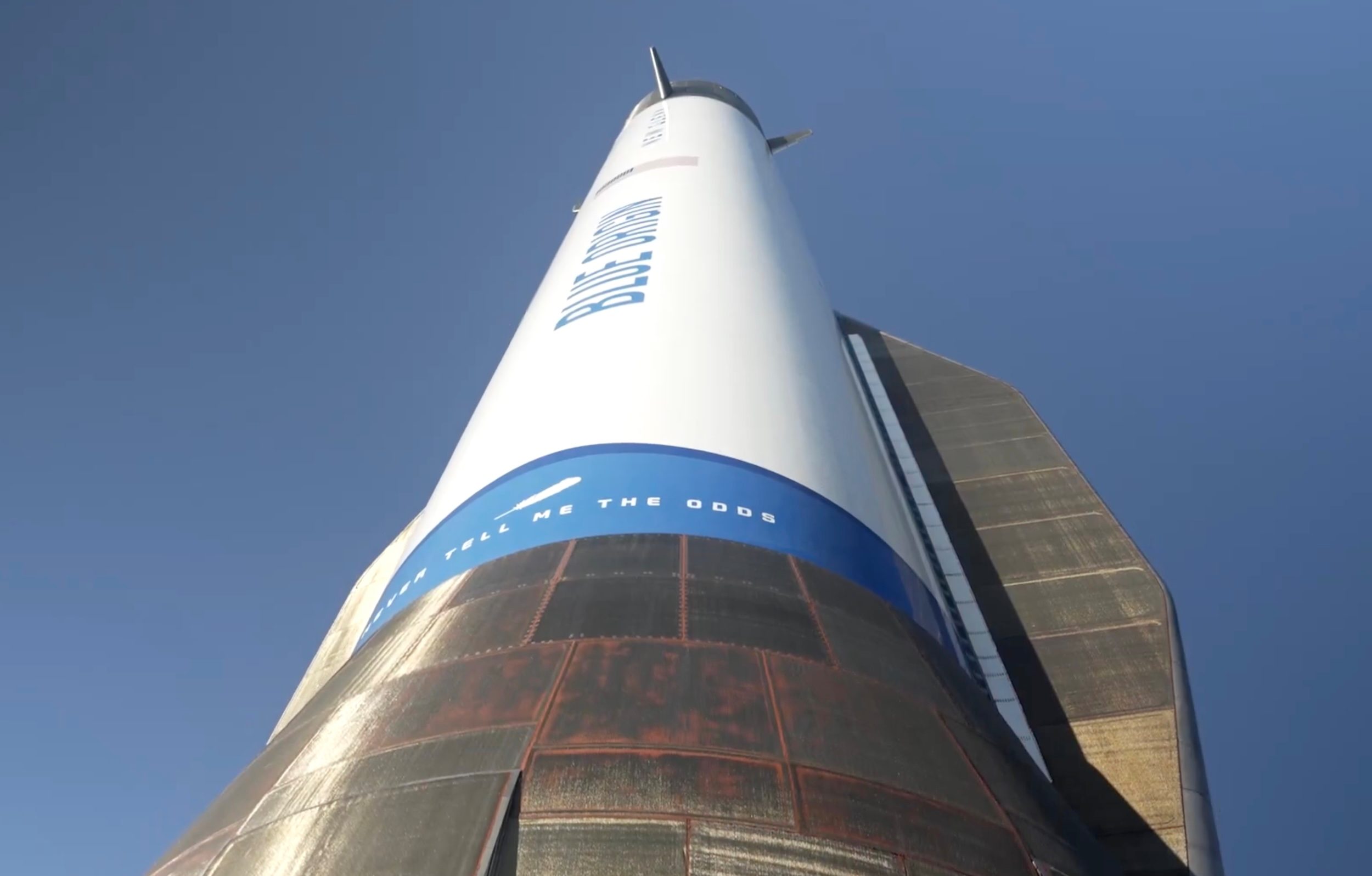
However, the mission was only a partial success. While the rocket launched and deployed its payload – a BlueBird 7 communications satellite for AST SpaceMobile – the satellite was placed into a lower-than-intended orbit. Due to limited onboard propulsion, the satellite is unlikely to function as planned and may eventually be deorbited.
Why This Matters
Despite the payload setback, the successful reuse of the New Glenn booster is a crucial breakthrough. Reusability is considered the key to making space launches more cost-effective and sustainable. SpaceX has long leveraged reusable rockets to dominate the market, and Blue Origin’s achievement signals its intent to challenge that leadership.
New Glenn itself is designed as a partially reusable heavy-lift rocket capable of carrying large payloads into orbit, with its first stage built to fly multiple times. Demonstrating reuse in real-world missions validates years of engineering and brings the company closer to routine, lower-cost launches.
Why You Should Care
For consumers and businesses, advancements in reusable rockets can translate into cheaper satellite launches, improved global connectivity, and faster deployment of space-based services. This includes everything from broadband internet to Earth observation and navigation systems.

The success of reusable systems also accelerates competition, which historically drives innovation and lowers costs across industries.
What Comes Next
Blue Origin is expected to continue refining the New Glenn system, particularly its upper-stage performance, which caused the mission’s primary failure. The company has multiple launches planned as it works to scale operations and increase launch frequency.
Future missions will likely focus on achieving full mission success – combining reliable payload delivery with consistent booster reuse – as Blue Origin aims to establish itself as a serious contender in the global space race.