  1. Home
  2. Space
  3. News

Hubble celebrates it 35th birthday with four gorgeous new images

Add as a preferred source on Google
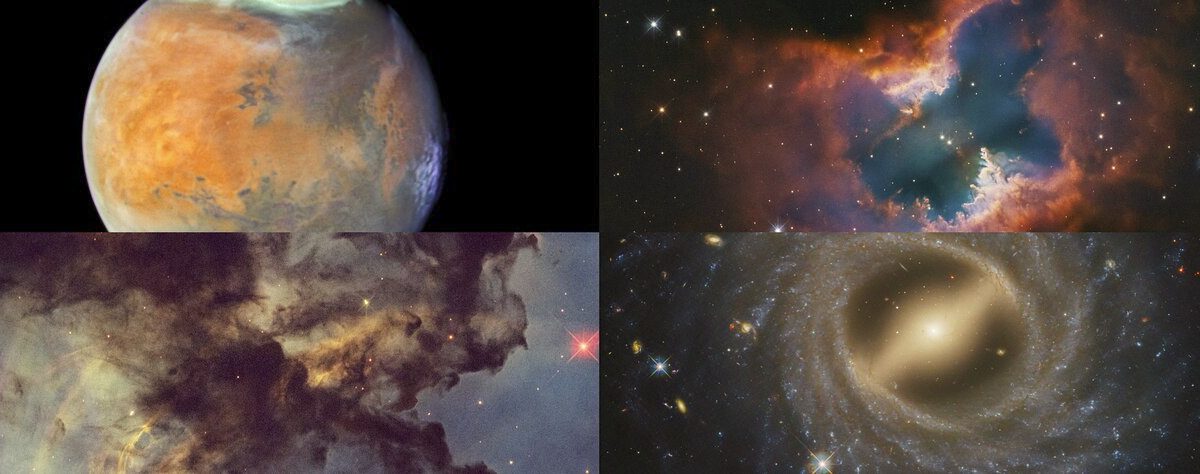
In celebration of the NASA/ESA Hubble Space Telescope’s 35 years in Earth orbit, an assortment of compelling images have been released today that were recently taken by Hubble.
In celebration of the NASA/ESA Hubble Space Telescope’s 35 years in Earth orbit, an assortment of compelling images have been released today that were recently taken by Hubble. NASA, ESA, STScI

This week sees a very special day for one of the most beloved science instruments on the planet, as the Hubble Space Telescope is celebrating its 35th birthday. Launched on April 24, 1990, the telescope revolutionized our understanding of cosmology through its measurements of the expansion of the universe, and continues to collect invaluable science data and beautiful images to this day.

In celebration of 35 years spent in orbit around Earth, the Hubble team has released a set of four new images showing the many types of objects that Hubble can investigate, from planets to nebulae to galaxies. Thanks to a bunch of servicing missions over the years which upgraded the telescope’s instruments, it has continued to provide cutting edge data even as technology has advanced.

Recommended Videos

According to the European Space Agency, over the years Hubble has made an incredible 1.7 million observations of 55,000 targets, and all of those observations have resulted in 22,000 scientific papers and over 400 terabytes of data. Even now, time on Hubble remains precious and highly in demand, with six times as many science projects requesting time on the telescope than can be provided.
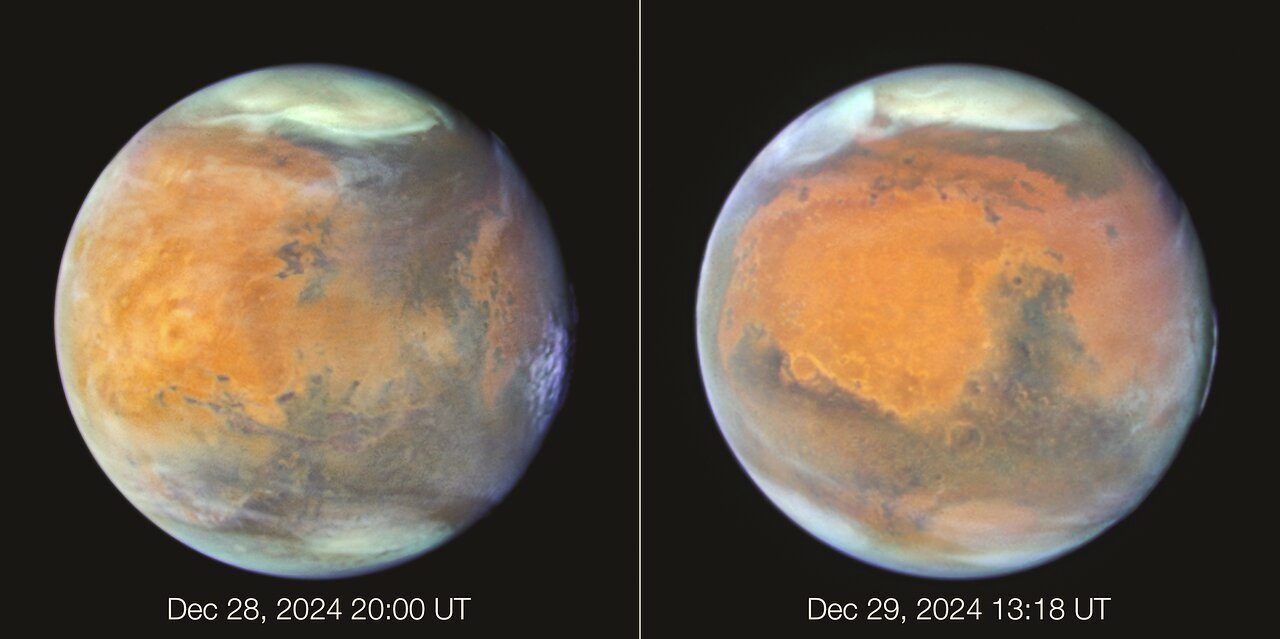
The first image shows our planetary neighbor Mars, as observed in December last year. You get a great view of the icy cap which covers the northern pole of the planet, as well as the clouds which are gathering in the east on the right hand image.
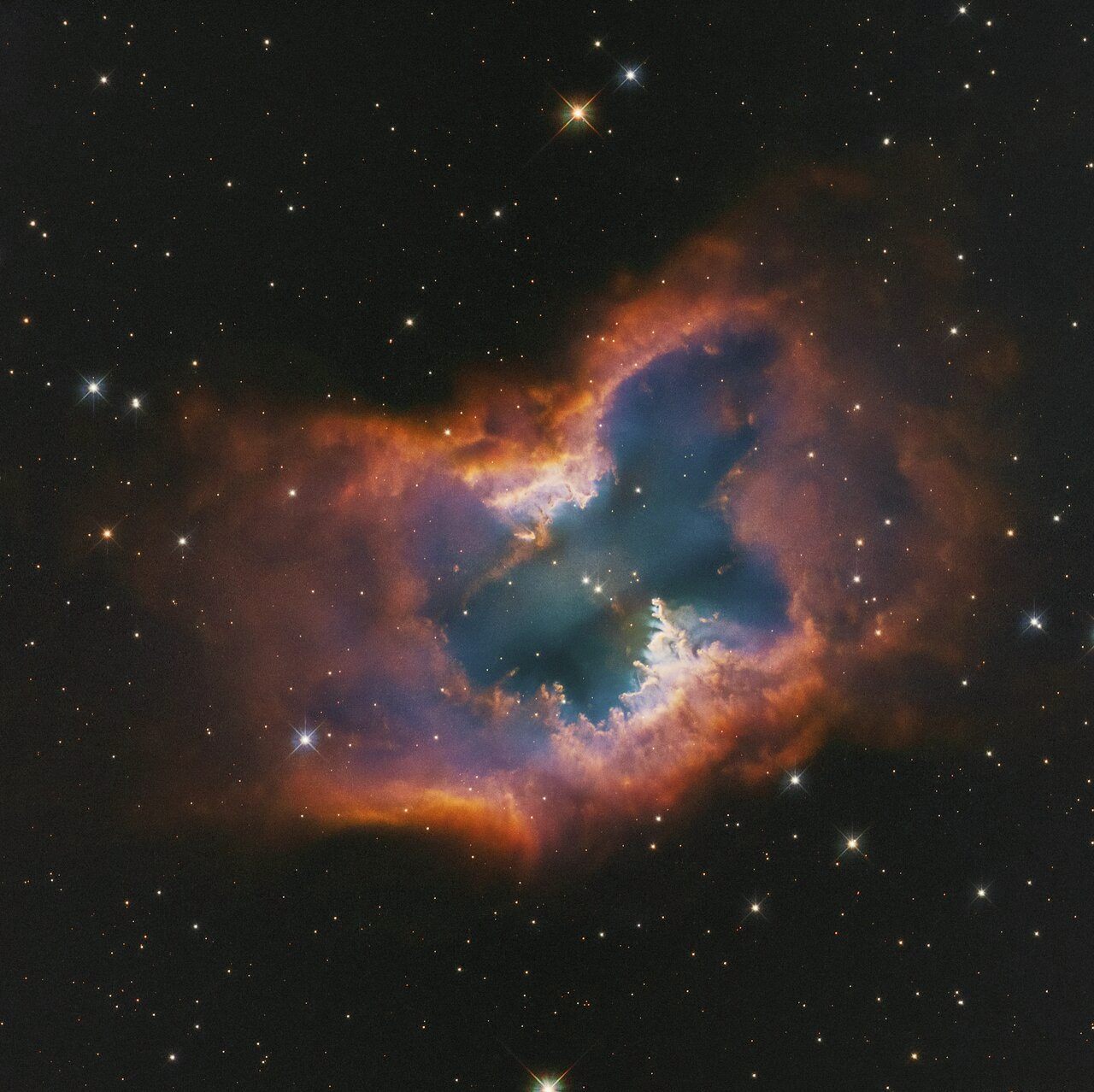
This stunning object is a planetary nebula, created by strong stellar winds from an epic white dwarf right in its center. With a temperature of nearly 22,000 degree Celsius, this core of a dying star still gives off enough radiation to sculpt the dust and gas around it into the beautiful shapes.
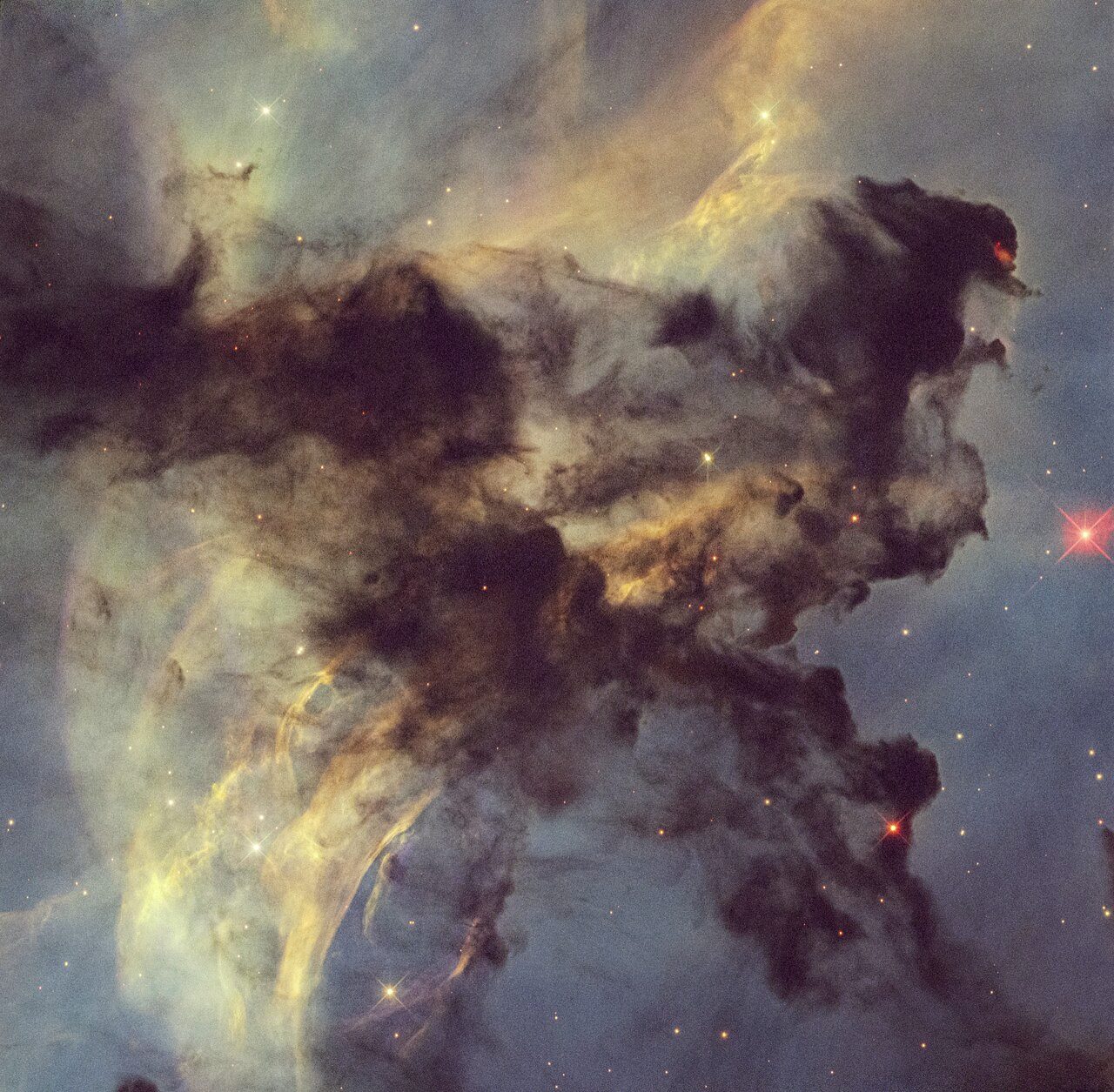
This is another nebula, though a different type as it is composed of gas that has been ionized by many newly born stars. As these stars give off radiation they ionize the hydrogen around them, causing the gas to glow. This star-forming region sees the birth of many new massive stars, some of which give out jets of plasma in impressive displays.
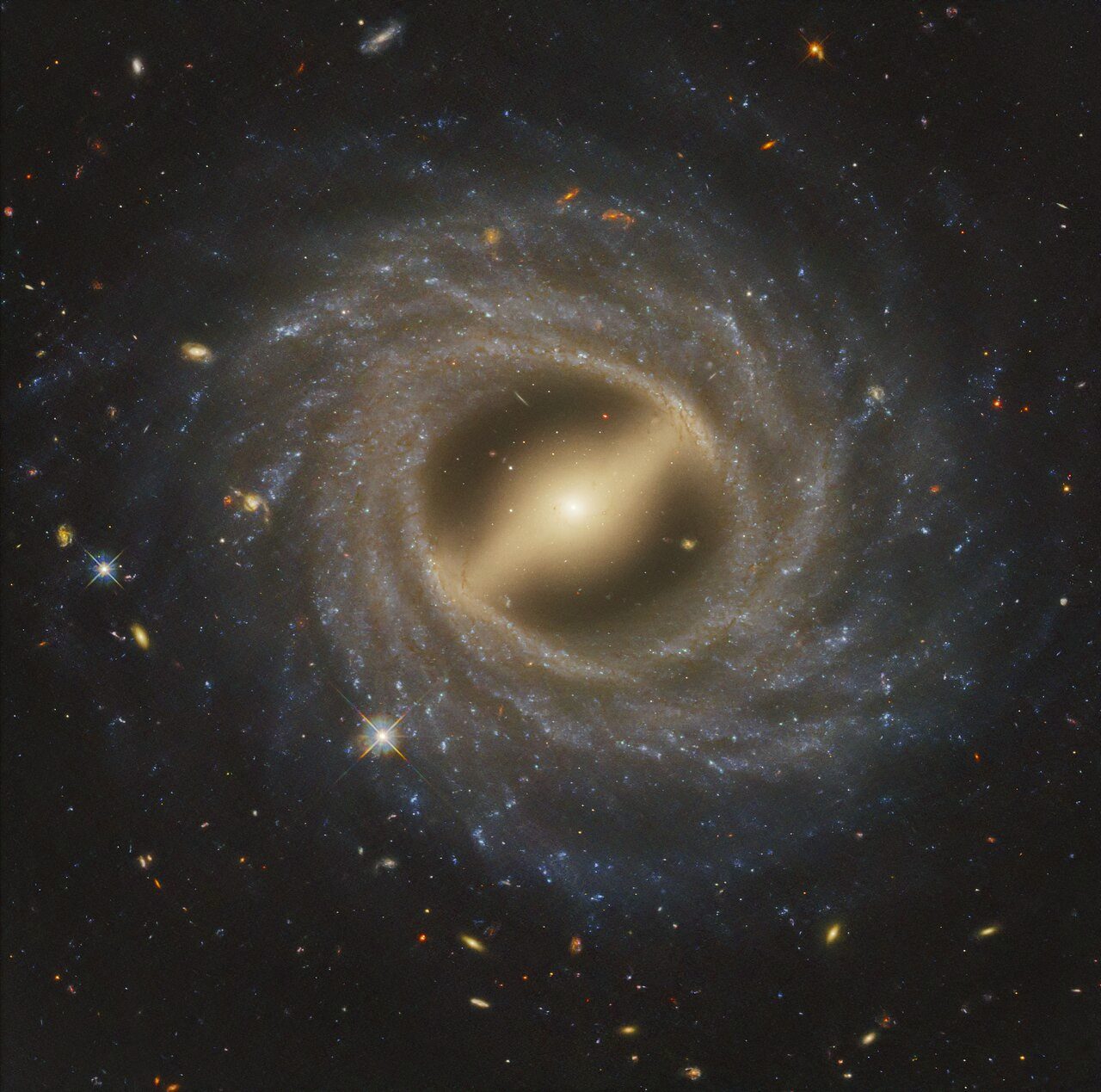
This striking galaxy has a similar structure to our Milky Way, with its spiral arms and bright bar of stars along the center. Though the spiral arms of our galaxy are clear and well defined, in NGC 5335 the arms are more diffuse, as they are patchy with some areas brightly lit by new star formation which other regions are more empty. Much of the star formation in this galaxy is happening within the bar, which is particularly bright and clear.

Georgina Torbet
Georgina has been the space writer at Digital Trends space writer for six years, covering human space exploration, planetary…
Orbot Robotics’ space robot has four arms, but its Goro physique has a purpose
This four-armed robot could make routine space-station work easier for astronauts
Robot with four arms

Helios is a new four-armed robot from Zurich-based Orbit Robotics, and at first glance, it reminded me of Goro from Mortal Kombat. But unlike the prince from Outworld, Helios is not built for combat. It is designed to help astronauts on space stations with the repetitive, time-consuming work that keeps life in space running.

Orbit Robotics says that in microgravity, legs are not much help. Instead of walking or standing, Helios needs to move through tight station interiors, hold itself steady, and handle cargo, tools, or equipment. Its four-arm design turns extra limbs into both mobility aids and working hands.

Read more
A billionaire crypto bro will lead humanity to Mars atop Musk’s Starship
Chun Wang could become one of the first humans to travel toward Mars
Chun Wang in a space suit

Neil Armstrong and Buzz Aldrin became the faces of the Moon landing era. Elon Musk’s Mars era may get a very different public face in Chun Wang, a cryptocurrency billionaire whose fortune traces back to Bitcoin mining.

Wang is expected to lead a future SpaceX Starship mission that would fly past Mars and return to Earth. SpaceX has not announced a launch date, and the plan still depends on Starship proving it can safely carry humans far beyond Earth's orbit.

Read more
Elon Musk will get a historical paycheck if he builds a colony of one milliion humans on Mars
SpaceX may hand Musk a historic payday, if Mars becomes a city
Elon Musk talks to the press as he arrives to to have a look at the construction site of the new Tesla Gigafactory near Berlin.

An executive's pay packages are typically tied to review, profit, share price, or operational targets. But SpaceX apparently has something different in mind. According to a Bloomberg report and details from SpaceX's IPO filing, Elon Musk's latest compensation plan includes a wild condition.

The company must establish a permanent human colony on Mars with at least 1 million inhabitants. However, this is only a part of the crazy deal.

Read more