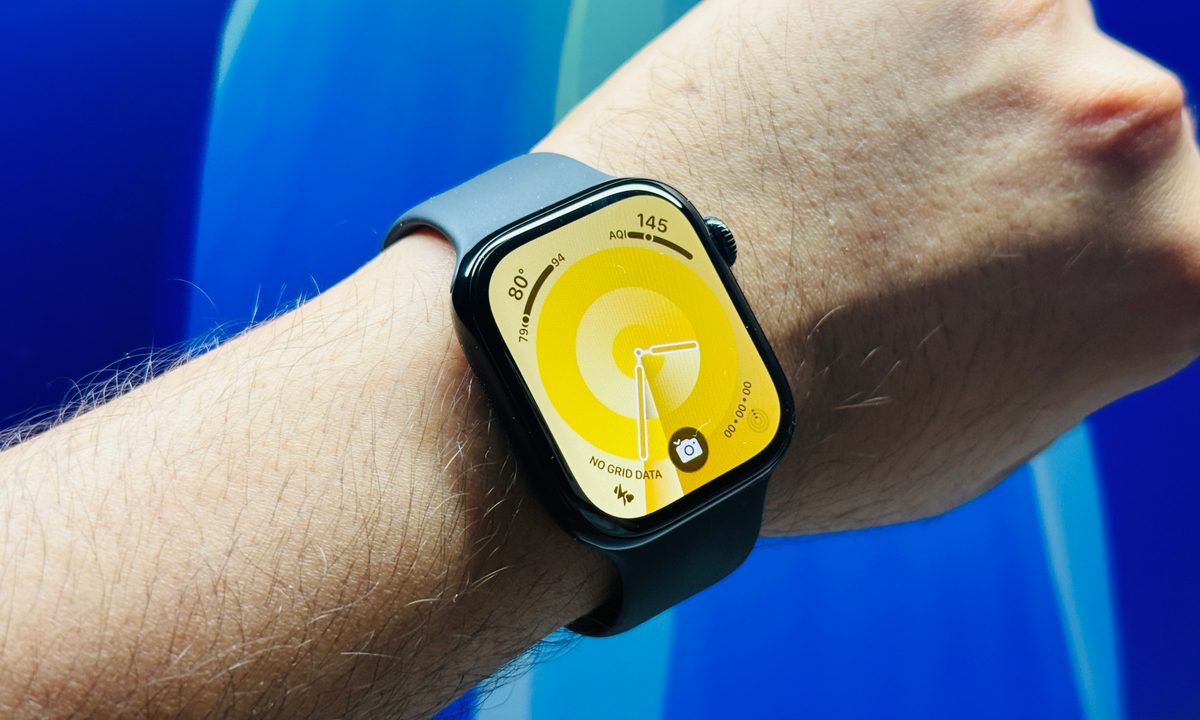
I just wrapped up my first full day after pushing the Apple Watch Series 11. I switched from the Samsung Galaxy Watch 8, and before that, the Apple Watch Series 8 was my long-term wearable wellness buddy. It’s somewhat of a bittersweet moment as I collect my thoughts after a grueling three-hour queue-up at the Apple Store on a rain-battered day.
I can’t say I am exactly “wowed” by Apple’s latest smartwatch. There are, however, a few aspects that I do appreciate on this one. In a year where the Apple Watch didn’t quite deliver any breakthroughs in terms of meaningful wellness upgrades, it made up for them by getting better in a few practical ways.
The display is practically better
I have terrible gadget etiquette. Or, maybe, bad luck is always hunting me. Over the years, every single Apple smartwatch that I have owned has been scarred with scuff marks on the casing and deep scratches on the display. While it’s an eyesore, the loss in resale value is what hurts me more.
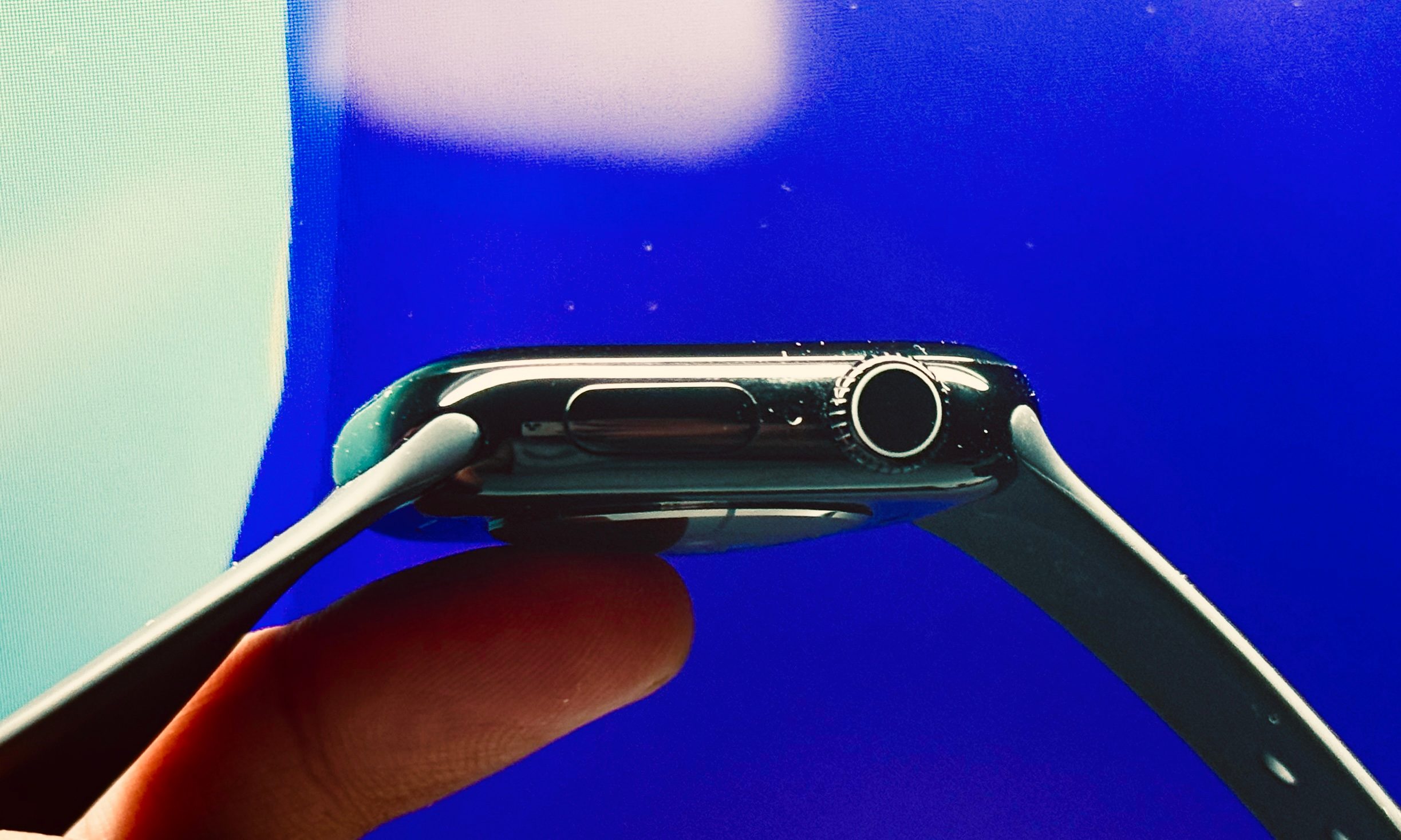
On the Series 11, Apple is serving what it calls Ion-X (ion-exchanged strengthened) glass treated with a coat of ceramic and bonded to the glass at the atomic level. Tech jargon aside, the company says it’s the toughest material of its kind in the industry.
What really matters the most is that the glass layer is now twice as resistant to scratches. And if you splurge on the Titanium version of the watch, it will offer an even stronger sapphire front crystal shield. Most buyers will get the aluminum version because it makes more sense from a value perspective, so it’s great to see that Apple is paying attention.
Another benefit is the higher brightness output. Compared to my older Apple smartwatch, the Series 11 doubles the brightness output to 2,000 nits. It’s a welcome change. And even though it doesn’t quite come out as a night and day difference, I could still feel the improvement in content legibility on my morning run.

Also, it’s worth pointing out that the display is a wide-angle OLED type, which means it retains good content visibility even if you’re looking at it from an angle. Give it a side eye, quite literally. It’s not quite as bright as the Samsung Galaxy Watch 8, but it doesn’t feel underwhelming by any stretch of the imagination.
Battery life is a sigh of relief
Ever since I tried the OnePlus Watch 2 with its unique dual OS architecture and multi-day battery life, it’s been a constant struggle living with other smartwatches. No Wear OS or Apple smartwatch has come close to matching that battery mileage.
The Galaxy Watch 8 goes past a day, but not the whole extra mile on the next one. Apple’s smartwatches have remained at the one-day level for a while now. On the Apple Watch Series 11, the brand is touting 24 hours of battery life, a notable 33% jump compared to its predecessor.
With the always-on display enabled, I ended a day full of interactions such as messaging, a one-hour workout with GPS enabled, and work-related alerts from apps such as Trello. After a sleep session lasting some seven hours, I woke to find the watch at 13% battery level.
That’s a lot better than my short stint with a test unit of the Apple Watch Series 10, and my long-term experiment with the Series 8. I believe you can safely change your charging routine with the latest Apple smartwatch, instead of having to juice it up every night before getting some shut-eye time with tracking enabled.
Talking about charging, Apple is also claiming faster charging at a rate of 80% top-up in 30 minutes. In my first lap, the watch took over 70 minutes to land at the 100% level, while the first 0-80% session took 32 minutes.
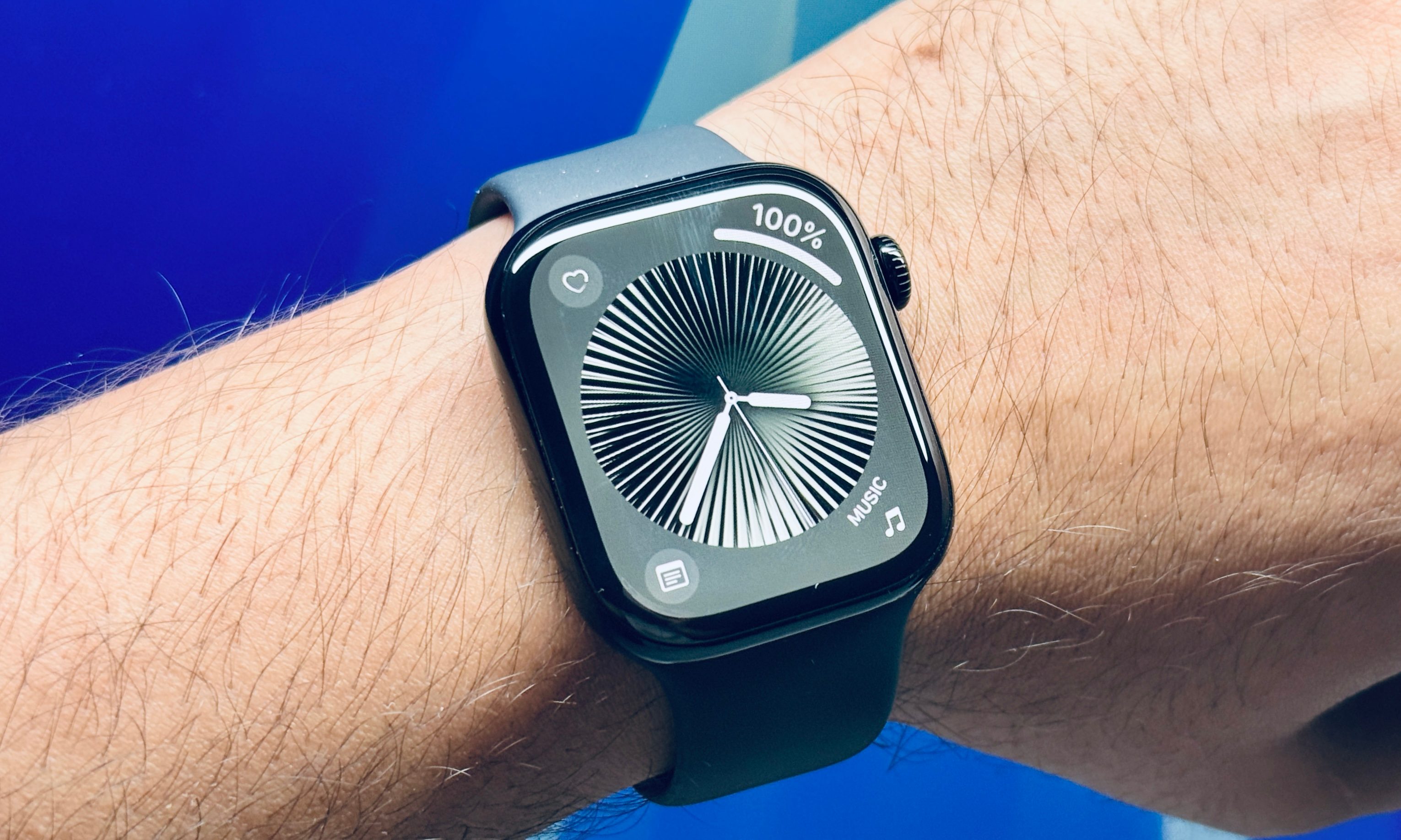
I’m not too particular about the few extra minutes, but having at least a full day’s worth of juice in the same time it takes me to fix breakfast is a welcome change. With low-power mode thrown into the mix, I estimate you can easily touch the 30-hour mark.
What else worked for me?
If you own a Series 10, or even go as far back as the Apple Watch Series 8, there are not many convincing reasons here to upgrade. All the core wellness features, including the new sleep score, workout buddy, and hypertension alerts, will also be available on the older smartwatches.
What’s new for me here is the wrist flick gesture, tagging alongside the double-tap controls. Trust me, they may seem over-the-top in ads, but they are pretty charming to see in action, and save you the hassle of touch-screen interactions with the other hand for something as basic as taking a call, using smart reply, or scrolling through the smart stack.
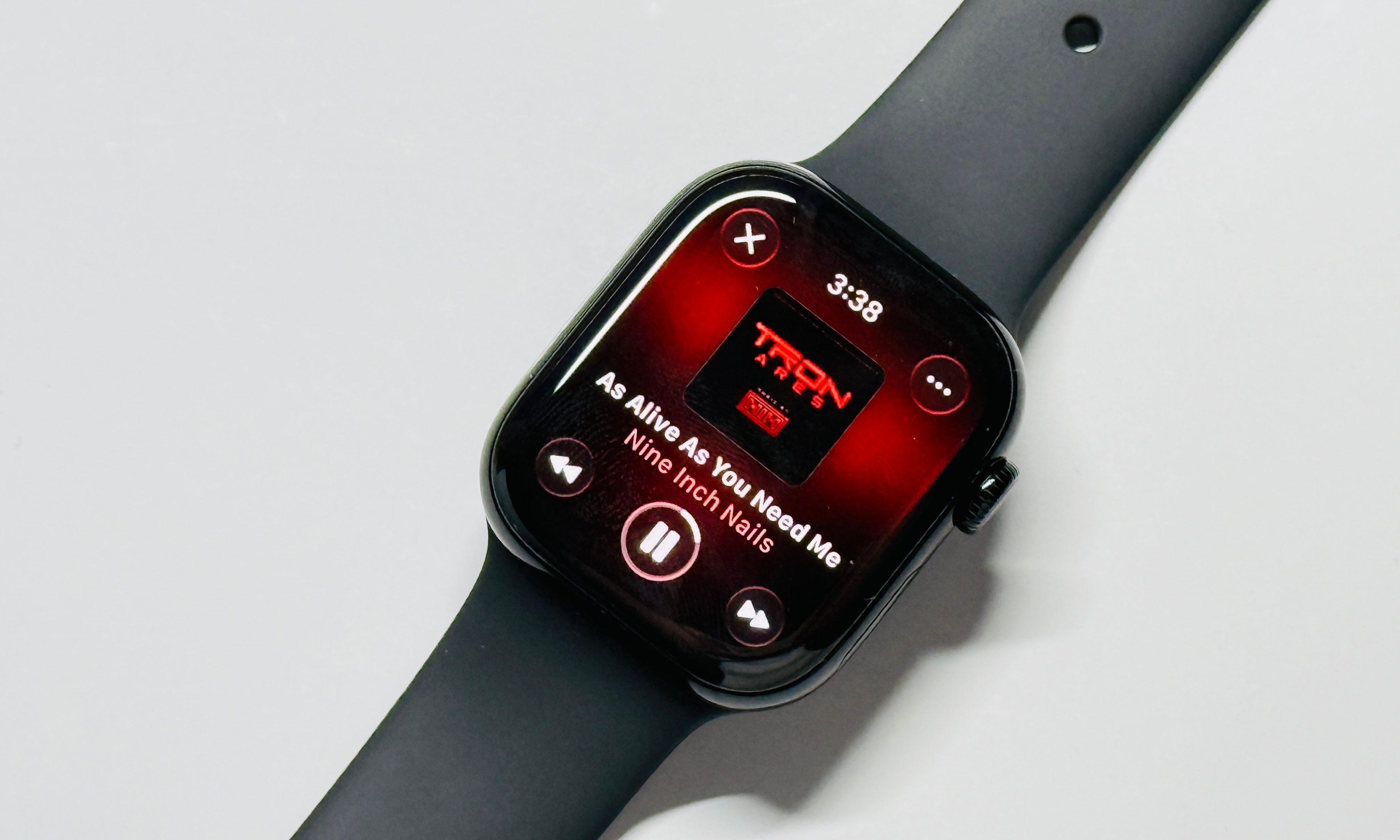
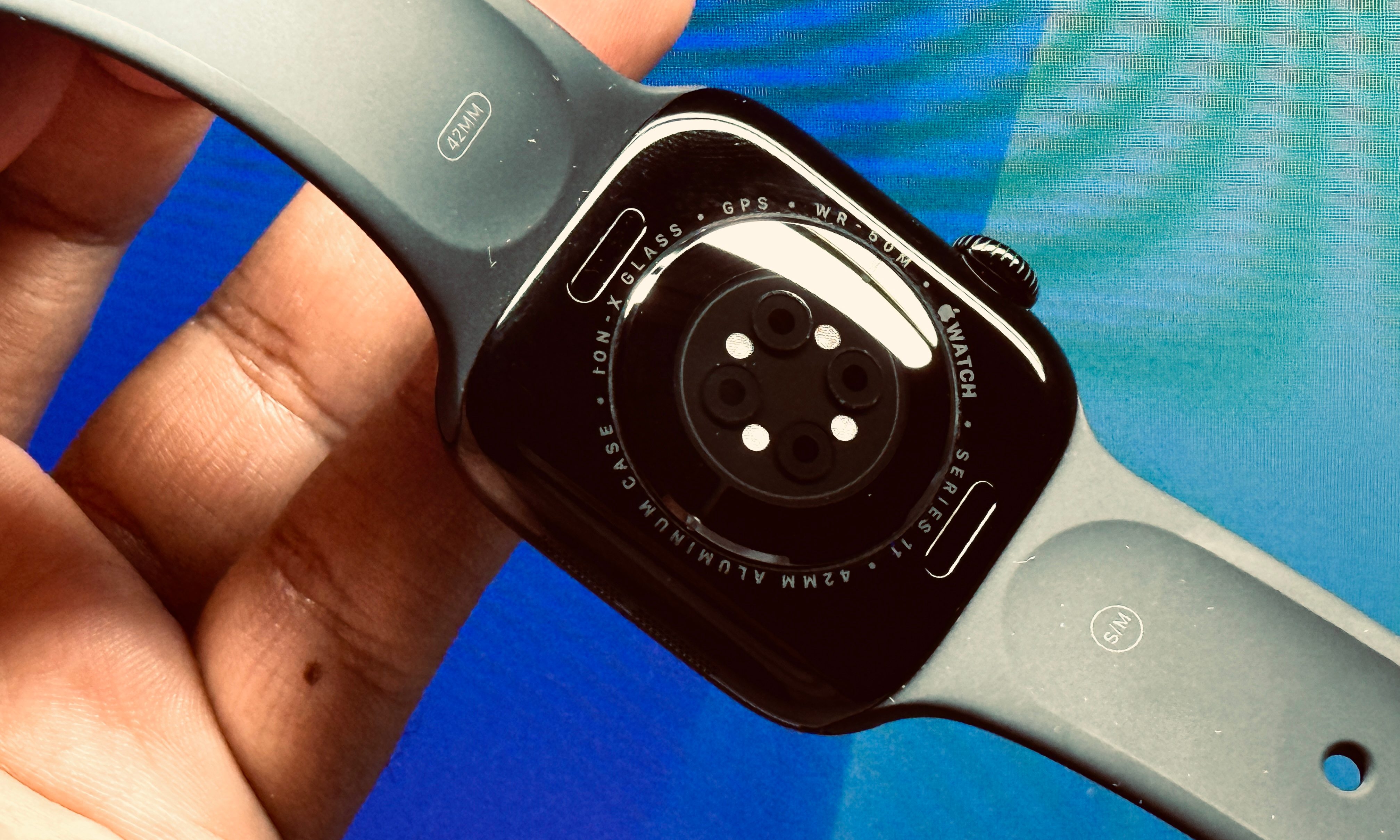
The build was another surprise, even though it’s virtually identical to the Series 10. This year, I picked the smaller 42mm version with a jet black finish. It’s slimmer, lighter, and feels a lot more premium than the other bright colors you get with the aluminum-made model.
I am more interested in pushing the hypertension alert system after finishing a month of regular activity tracking, and checking whether Apple has managed to further improve the heart rate accuracy, especially during workouts. I’ll also keep an eye out for AI-powered enhancements next year and see how the four-core neural engine levels up the day-to-day experiences.
So far, I’ve had a fairly positive experience with the Apple Watch Series 11. It doesn’t seem like an instant upgrade material, but more like the most polished version of a well-received product, for the same price. Stay tuned for the full review coming soon at Digital Trends.