1. Home
  2. Wearables
  3. News

AirPods Pro 3 may let you talk to Siri without actually saying a word

The future of human-device interaction might not be spoken, and Apple's already bought the technology to prove it.

Add as a preferred source on Google
A close up of AirPods Pro 3 in a case
Digital Trends

Rumors have long suggested that Apple is developing a version of the AirPods Pro equipped with infrared (IR) cameras (via MacRumors). The purpose behind the cameras, however, has remained quite vague until now. 

Why did Apple spend $2 billion on a company earlier this year? 

Earlier this year, the Cupertino giant paid $2 billion for Q.ai (its second-largest acquisition, behind only Beats), an Israeli AI startup that develops technology for interpreting microfacial movements. 
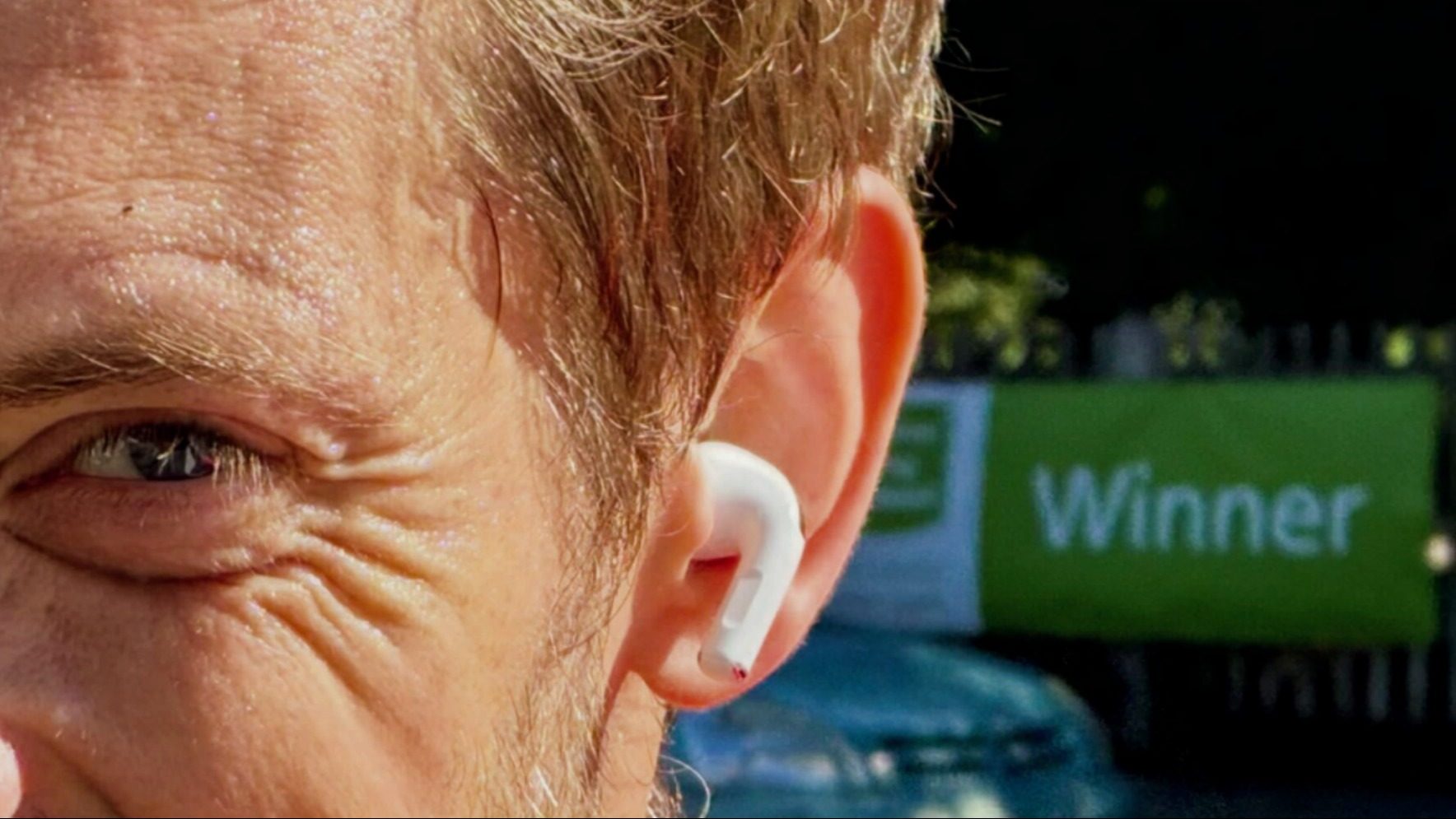
I’m talking about reading whispered or unspoken words by analyzing skin and music movements in real time. At the time, the acquisition raised quite a lot of eyebrows, but very few answers. Now, there’s a growing theory that’s connecting the dots. 

Recommended Videos

The idea is quite simple: IR cameras on AirPods Pro might be able to track microfacial movements around the mouth and jaw, while Q.ai’s software could translate those movements into commands or texts. 

So what do earbuds have to do with silent speech?

In other words, facial movements could let users draft messages, control apps, or speak to Siri without actually making a sound. In July 2025, Apple was also granted a patent for camera-based systems similar to Face ID’s dot projector, for proximity detection and 3D depth mapping. 

AirPods already include accelerometers and skin-detection sensors, which might mean the hardware foundation is already in place. For everyday users, this might mean interacting with devices privately, especially in noisy environments, or without disrupting those around them. 

The exact use cases, how Apple implements the technology, and how it is showcased in iOS are still unknown to us. For now, the AirPods Pro 3 with IR cameras are expected to arrive this year, likely in September 2026.

Shikhar Mehrotra
For more than five years, Shikhar has consistently simplified developments in the field of consumer tech and presented them…
Apple wants you to verify your identity before you get Education discount on products
Apple moving the US Education Store off the honor system also seems about making a globally consistent verification infrastructure that could eventually support more aggressive Education Store expansion.
Computer, Electronics, Laptop

Getting an Apple Education discount in the United States used to be as simple as claiming you’re a student or a teacher; it didn’t need a formal verification. That era is officially over. 

Starting May 8, 2026, Apple now requires formal identity verification for all Education Store purchases in the US, ending the informal honor system that was in place for years (via MacRumors). 

Read more
You can finally avail an education discount on the Apple Watch
It's Apple broadening its ecosystem play into a segment that previously had no wearable entry point, and that could meaningfully accelerate Apple Watch adoption among younger first-time buyers.
Side view of Apple Watch Series 11.

Apple’s Education Store has always been a reliable shortcut to cheaper Macs and iPads for students and teachers. However, for years, Apple Watch wasn’t allowed into the story, making people wait for third-party sales or discounts to get their hands on the smartwatch. 

That’s changing, with effect from May 8, 2026. Apple has quietly added the Apple Watch to its Education Store for the first time. The Watch Series 11, SE 3, and the Ultra 3 are now available at discounted education pricing across 21 markets, including the US, UK, India, Canada, and Australia. 

Read more
Whoop’s response to Fitbit Air and Google Health is real doctors, not just an AI chatbot.
In the race to own your health data, Google chose an AI, and Whoop chose a doctor. That single decision may define which fitness tracker serious health users reach for in 2026 and beyond.
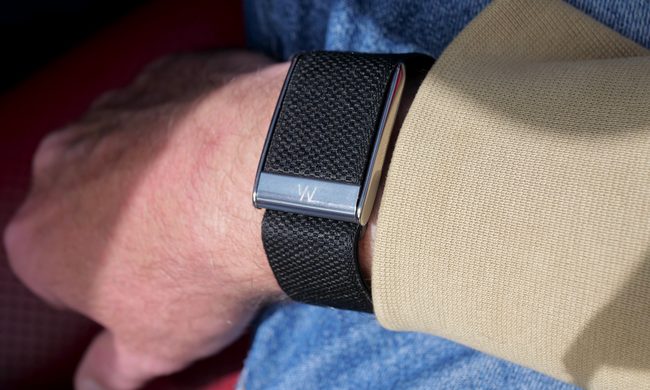
A person wearing the Whoop 5.0.

Recently, Google launched the Fitbit Air as a direct rival to the Whoop screenless fitness band, rebranded the Fitbit app to Google Health, and released a Gemini-powered AI coach. Exactly one day later, Whoop has responded with on-demand video consultations with licensed clinicians for US users. 

The contrast is hard to ignore. While Google is betting on AI as your general health advisor, Whoop is doubling down on real, licensed doctors, and making the case that they can serve its fitness-focused users considerably better (via CNBC).

Read more