With the big iPhone 17 launch event merely hours away, I’ve been thinking about what I’ll be paying attention to most – and while I’m very much intrigued how the brand will talk about the new iPhone 17 Air (look how thin it is!) it’s the new Watch that I want to know about.
Not the Watch Series 11 (which is interesting enough but lacks one key feature, which I’ll come on to in a minute) but the Watch Ultra 3.
The idea of the Watch Ultra has always been greater than the execution in my mind. The longer-lasting, powerful fitness-focused watch that enhances my iPhone and replace my Garmin watch.
But in reality, the Watch Ultra range just hasn’t been compelling. Don’t get me wrong, I think it’s a fantastic smartwatch, but I run a lot, I love health metrics telling me things that I inevitably ignore, and so my Garmin Fenix 7X Pro Solar has been bolted to my wrist for years now, unthreatened by Apple’s most expensive timepiece.
Before I get into what it would take to change that, let’s quickly rundown what we’re probably going to hear about at the event today from the (almost certain) Watch Ultra 3, based on numerous leaks:
- Satellite connectivity – this is a no-brainer from Apple. A watch designed for going off grid? Satellite tech stuffed into all your phones so they can still text when out of range of a cell tower? Of course that has to go into the new Watch Ultra.
- A bigger display – classic Apple, slowly shrinking the bezels, making the screen bigger and adding in a few more pixels to keep the sharpness the same. I can see that happening tonight, makes a lot of sense to me.
- The new S11 chipset – again, of course this will be the case. The Watch Series 11 will certainly have a new on-board chip to enable things like Apple Intelligence, more power while maintaining battery life… it would be bonkers to not see that on the Watch Ultra.
- A faster 5G modem for better data streaming – fine, I guess. I don’t like paying an extra subscription to have data on a watch that’s 99% of the time tethered to a phone. When I have used it solo I’ve found 4G more than adequate for calling and streaming music. But 5G is better, I suppose.
- No new health features – I’m sticking my neck out here (and will delete this post if proved wrong) but there’s been lots of talk about the Watch Ultra 3 having blood pressure monitoring. While this would be an excellent feature, Apple has traditionally held off adding in new health features if they can’t be accurate enough, and blood pressure is tough to get right on the wrist. That said, Apple will need a compelling reason to upgrade to the new Watch Ultra 3, given it’s been two years since the last one emerged, and high-end health tracking is usually one of the big hitters.
So I can see something being talked up on stage, but my guess is it’ll be an incremental improvement to something like blood oxygen monitoring rather than something huge.
What I want to see
Right, that’s me doing my actual job of reporting out of the way – now I can just wax lyrical on what I (and hopefully, many of my running brethren around the world) are hoping to see in the new Apple Watch Ultra. If it’s going to cost me $799 to buy, then these are the deal breakers for me:
Better battery life
Look, I live in hope of this every year, but I can’t see Apple matching Garmin’s battery life. This is the thing that gets in the way each time I consider the switch.
My current Fenix model can go 26 days between charges if I don’t do any fitness, and at least a week of hardcore running (around 40 miles plus). That’s enough for me not to worry about it, and when it does start bleeping at me to charge, I’ve got hours (if not days) to get on that. It’s my issue.
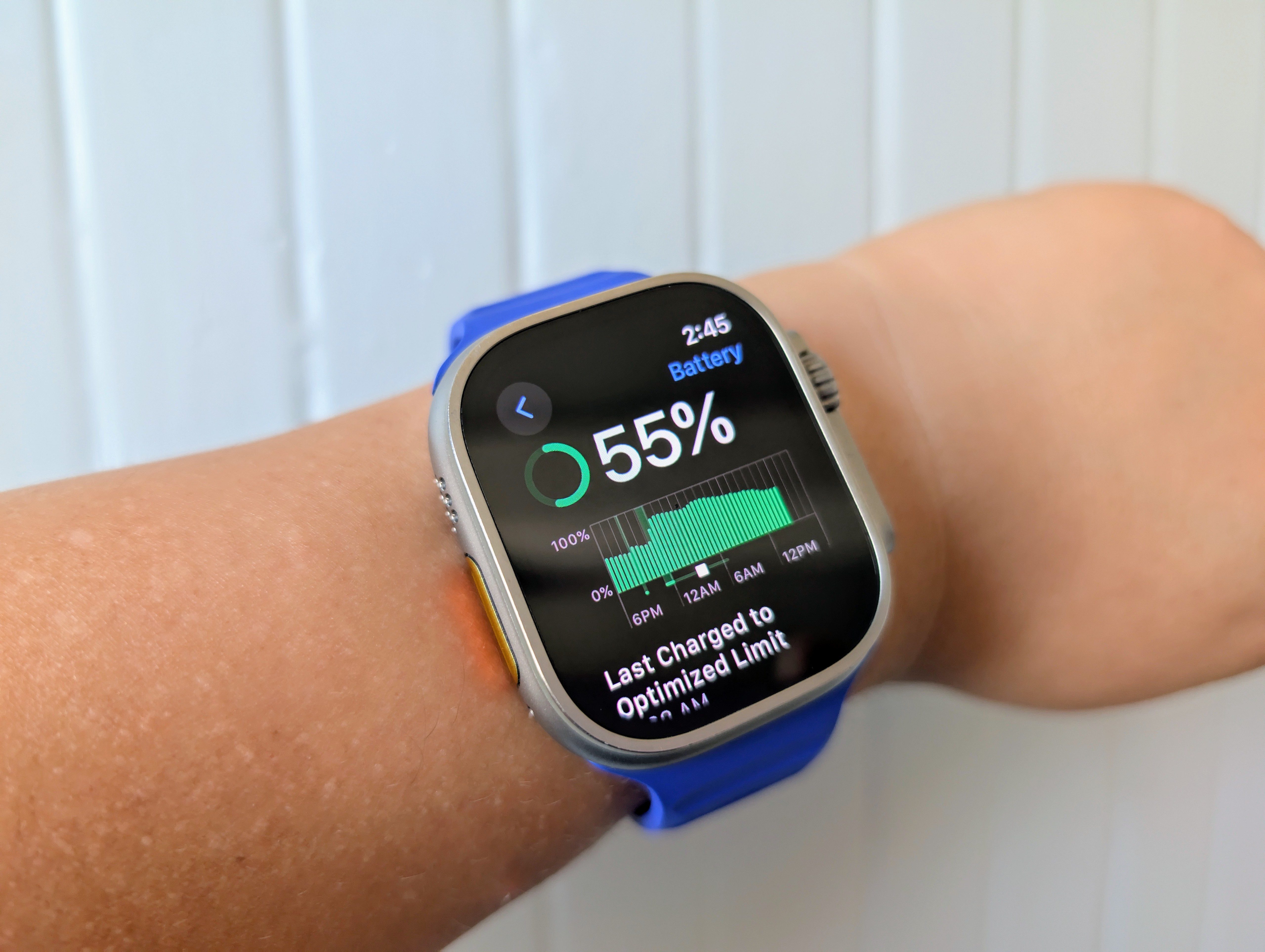
The Apple Watch Ultra will do a good job of alerting you to charge ahead of time, but it’s basically telling you that you’ve got a few hours left, and you probably won’t be able to do things like sleep tracking. Boo.
What I don’t understand is why this is the case. My Garmin Fenix uses transflective screen tech -sure, it’s far less vibrant but more efficient. It’s great in direct light, making it easy to see how quickly (OK, slowly) I’m running or to quickly check the hour of the day – and that’s fine for me, even if it is less legible at other times.
If that was the only screen tech Garmin used, the comparison in power usage would be easy to see: Apple has a nicer screen, it takes more battery. Simple.
But Garmin’s new watch, the Forerunner 570 is close in size to the Watch Ultra 2 (47mm to 49mm), and yet can last 11 hours in smartwatch mode. The Watch Ultra can only manage a day and a half, yet they both have OLED screens and a high level of health monitoring – so why is there such a huge disparity?
I know that Apple is not going to suddenly extend the battery life of the Watch Ultra 3 to a week. I’ve reviewed nearly every Apple phone, tablet and watch and know that it’s always an incremental improvement, at best, to time between charges.
But if the Watch Ultra 3 could last for two and a half days, with a few runs in there too, that would be enough for me to have flexibility in my day and not need to go through the mental gymnastics of ‘right, I’m having a shower, I need to charge the watch 16 minutes now and 30 minutes later’…).
A smarter coach
Now, this I’m more hopeful for, although there’s been nothing rumored as yet. Apple Intelligence hasn’t been considered as advanced as the likes of ChatGPT and Google Gemini so far, but that wouldn’t matter to me if it could function as the smart coach I need.
No watch or fitness platform has impressed me with being able to read all my health metrics and tailor my training accordingly. It’s either too reactive (and wrong – just because I slept slightly badly doesn’t mean I need a rest day, Garmin) or it’s not considering what I actually need to do. If I have to get miles in my legs for a race, they’re necessary no matter how tired I am.
I want something that hears my goal (I want to run this marathon in this time) and listens to my body, giving me the actual insights related to my training methods and the right tweaks, based on a full view of my health, to get me there. It’s possible, the data is there, but the actual mechanics of it seem to be beyond most fitness brands. If a watch felt like it was in control, listening to me and making me fitter, I’d be running down there like that Futurama meme.
More bands
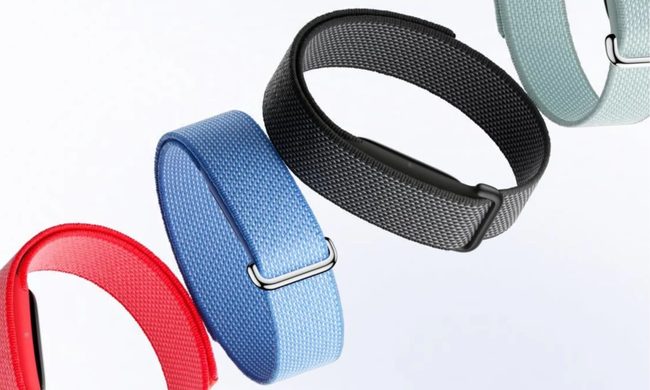
This isn’t going to change the world, granted, but the range of official bands for the Watch Ultra series is ludicrous. Of course, there are lots of third party options out there, and they’re great – Apple probably knows that too, which is why it’s not bothering to add to the few it has on sale.
But I want something that’s more stylish than the current Velcro Trail Loop, and less bobbly and hard to slip on than the Ocean band – the Watch Ultra has passed from ‘LOOK AT ME, I DO FITNESS’ into a more accepted space, fashion-wise, and Apple needs to back that up.
A dedicated light
This is getting really niche now, but my Garmin Fenix has an LED flashlight built into the bezel, and I swear: I use it more than the GPS. Being able to instantly turn my hand into a torch when searching under a sofa for the remote, not fall over reams of stuffed toys in the dark or just not wanting to turn the bathroom light on in the middle of the night (can you tell I have young kids?) is a dream.
Apple’s flashlight is bright enough, but it’s not as simple to turn on, you have to angle your wrist to get the light in the right direction and it goes dimmer sometimes depending on how you hold your arm.
No. I want the light to go where I point it, and to stay on.
A new screen technology
I’m putting this here not because I think we’ll see it, or if I’d even use it, but because if it landed, I would be hard pressed not to buy the new Watch Ultra 3 to try it out.
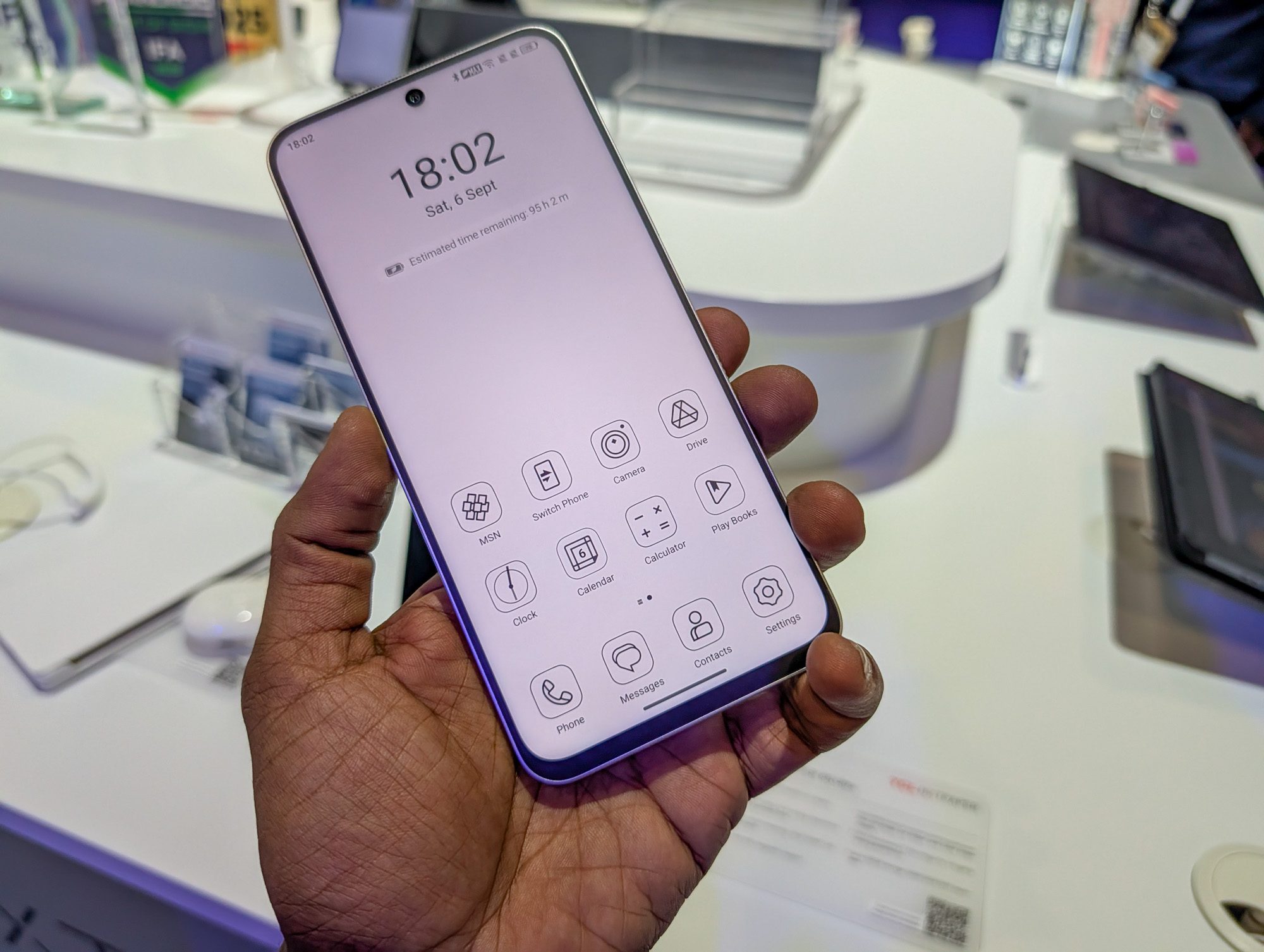
I was inspired by the TCL Nxtpaper 60 Ultra (catchy name, of course). This phone has a great LCD display, but a switch that can turn it into a e-ink-style screen instead. This screen is much lower power, legible in the sunlight and just far less distracting.
If you’ve failed to notice what I’m asking for here – it’s a switch that would allow me to have the bright screen of Apple’s smartwatch interface, but with an option to put it into ‘Garmin mode’, where the battery life is enhanced, it’s less distracting and I can just use it for the simple task of telling me how fast I’m going, how far I’ve run or how close I am to the sweet release of deat... the end of the run.
I know I’m not going to see any of things (apart from a smarter coach – that would be pretty attractive in itself). But it highlights the line that Apple skirts with its devices, where it does just enough to encourage the upgrade but leaving room for far more to appear.
I’ll still be feverishly trying out the new Watch Ultra 3 to see how it works in day to day life, and if the enhancements are enough, but until I can just leave it on my wrist for days on end without worrying, it’s going to be a tough sell.