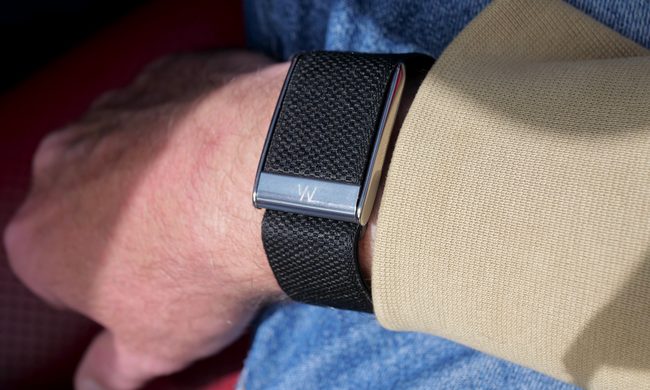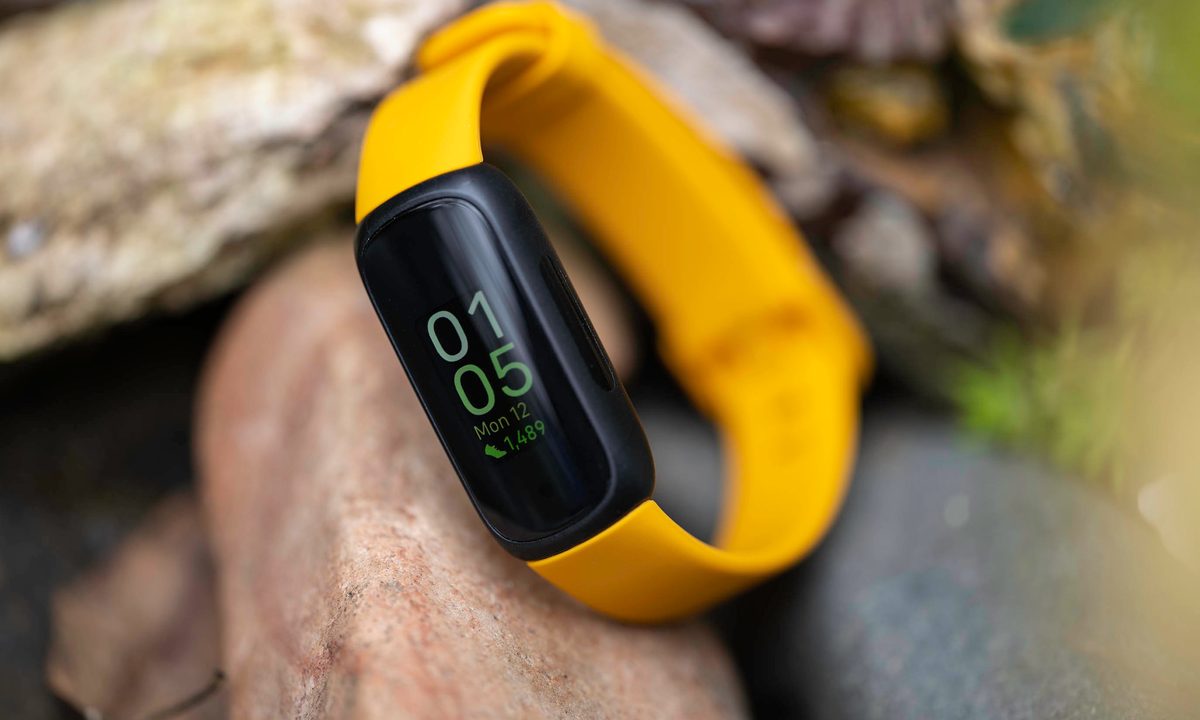

“The Fitbit Inspire 3 ofers accurate fitness tracking with an extraordinarily comfortable and lightweight design.”
- Lightweight
- Very comfortable
- Accurate fitness sensors
- Battery lasts over a week without a recharge
- Affordable price point
- Lacks an altimeter
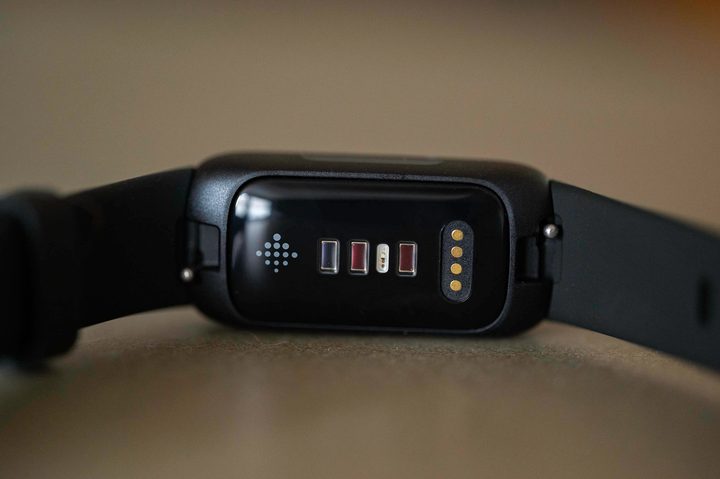
- Charger is tricky to disconnect

“Why you can trust Digital Trends – We have a 20-year history of testing, reviewing, and rating products, services and apps to help you make a sound buying decision. Find out more about how we test and score products.“
It’s hard to lose weight and stay healthy if you don’t keep track of your physical condition on a daily basis, which is why it’s a good idea to invest in a fitness tracker, such as the Fitbit Inspire 3. The Inspire 3 is one of the smaller, lighter, and less expensive products in Fitbit’s lineup, and the question is whether or not it can offer everything you need in a fitness tracker despite its minimalist design.
Design and comfort
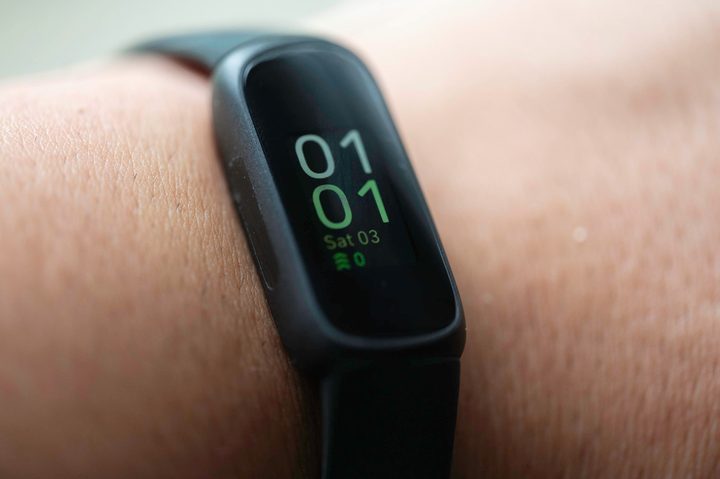
The first thing I noticed about the Inspire 3 was how lightweight it is, and the second thing was how its small size and weight make it much more comfortable than any other smartwatch I’ve ever used. I really liked the Fitbit Charge 4 I used to wear, but I’m easily irritated by watches and frequently took it off. With the Inspire 3, I often forget it’s even there, and I rarely feel the need to remove it.
The Inspire 3 comes with both a long and a short band, both made of a soft rubbery material. I have abnormally large wrists, but the longer of the two included bands fit with two extra notches to spare.
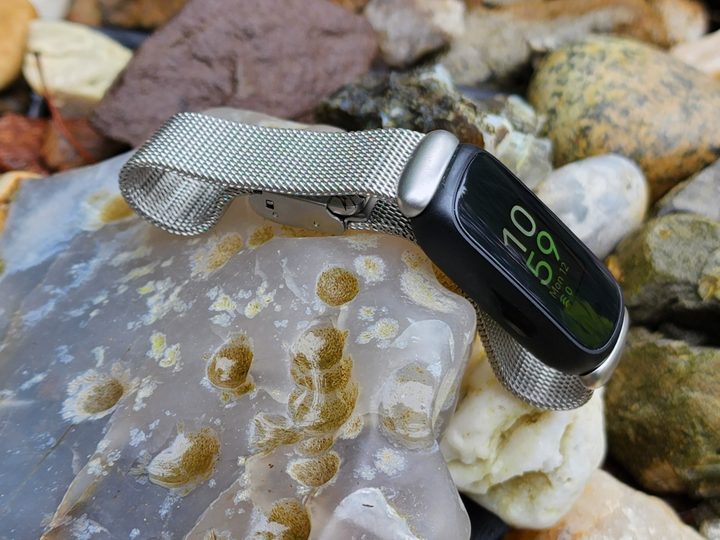
Unfortunately, the optional stainless steel band that Fitbit sells is one size fits most, which in this case didn’t mean me. I’m a big fan of the feel of the default rubberized band, which is available in Midnight Zen, Lilac Bliss, and Morning Glow.
Battery life
After a full week of constant use, the Inspire 3 was only down to 40% of battery life, even though I was impatient and only initially charged it to 90%. Extrapolating based on the amount of battery drained over a week’s time, and depending on usage, the Inspire 3 offers roughly two weeks of use before it needs to be recharged. That’s excellent, considering that Fitbit advertises the Inspire 3 as having a 10-day battery life.
Display
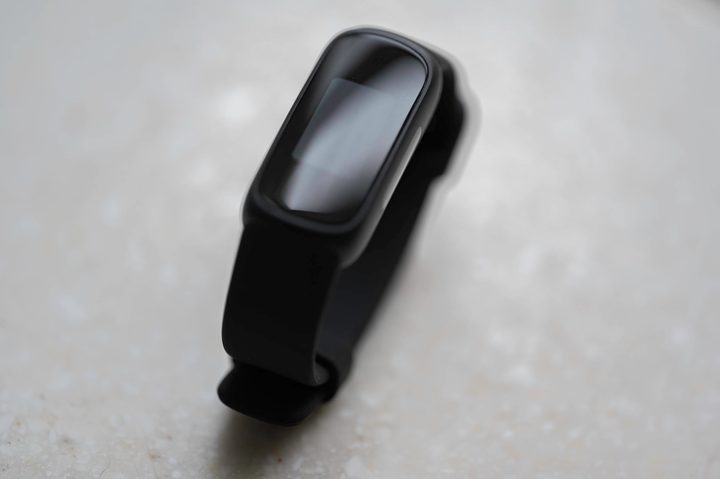
The new AMOLED display of the Inspire 3 is gorgeous, offering vivid colors and deep blacks. It’s also bright enough to see in harsh sunlight. The actual surface area of the display only takes up a small portion of the watch face, with large bezels on each side, but it’s perfectly adequate, and I never felt like it was too small.
Performance and features
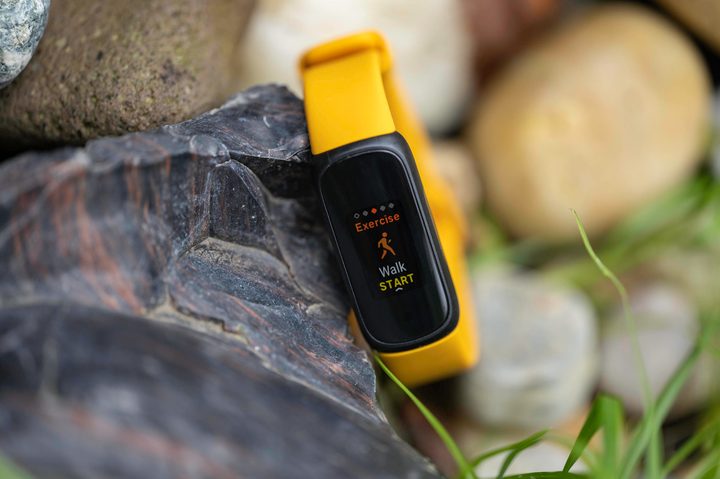
Pinching the Inspire 3 to wake it up works reliably with good force feedback, and motion activation is similarly reliable. The touchscreen is responsive and easy to navigate despite its small size.
The actual fitness tracking accuracy of the Inspire 3 is really impressive. I was able to walk along and watch the step counter log every step perfectly, and the heart rate sensor seems more precise than those found in other trackers I’ve used. When I wore the device while ziplining, I was able to see exactly where my heart rate spiked while riding the lines. Sleep tracking is similarly improved over my previous experience with other fitness trackers.
The fitness tracking accuracy of the Inspire 3 is really impressive.
My only real complaints with the Inspire 3 are that it can be a bit difficult to detach from its charging cradle, and that the device lacks an altimeter. However, these issues are fairly minor.
I really liked the relaxation mode on the Inspire 3, where it guides you through a few minutes of slow, measured breathing. With this feature, I was able to reduce my heart rate from 76 beats per minute to 70. Using the exercise mode to track a specific activity is also useful, as are the alarm and time functions built into the wearable. I also like the “find my phone” feature, which sounds an alarm on your phone if it’s connected to the Inspire 3, enabling you to locate it more easily.
App and premium subscription
The Fitbit app is an important part of the package, and it’s as good as ever. I credit using the app in conjunction with the Charge 4 for helping me lose a lot of weight in 2020, and it works just as well with the Inspire 3. My strategy is to use the data generated by the Fitbit to help me judge and regulate my intake of food and water. This way, I can figure out how much I can consume without exceeding my caloric expenditure every day and be more aware of the nutrients I’m taking in.
Having many excellent graphical representations available in the app to gauge my health and fitness progress is extremely helpful. I find that the more conscious of my health I am, the more encouraged I will be to pursue and maintain a healthy lifestyle.
The free version of the app is great, but if you spring for the $10 -per-month (or $80=per-year) premium subscription, you get a wealth of extra fitness analytics and content. This includes advanced sleep analytics, wellness reports, and mindfulness sessions, as well as games, recipes, and video workouts.
Price and availability
The Inspire 3 is available today for $100, which seems like a bargain considering the quality and features of the device. There are few compromises in its design that would not have also been necessitated by its diminutive size.
The Fitbit Inspire 3 is my new favorite fitness tracker
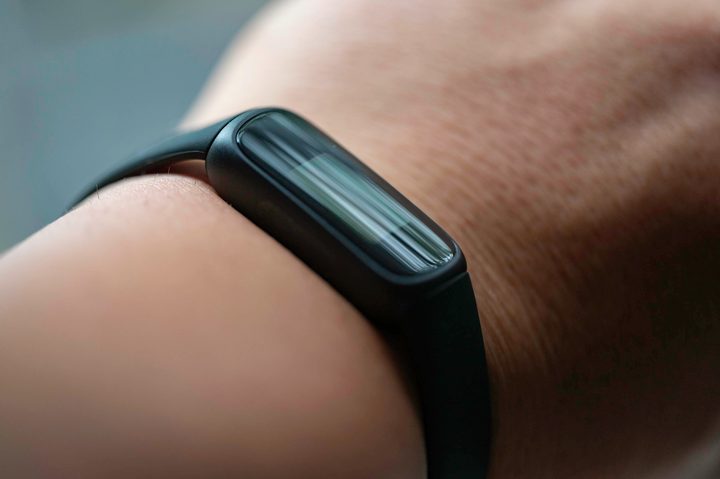

Perhaps the best praise I can give the Fitbit Inspire 3 is that it’s a fitness tracker and smartwatch I will actually wear and use. It achieves what no other watch (smart or otherwise) has been able to offer me, which is 24/7 comfort. Add on to that the excellent battery life and all the fitness metrics and functionality I need, and the Inspire 3 is just about perfect for me. It’s a simple device, but sometimes simple is better.