Once upon a time, you could buy a fitness tracker like a Fitbit, strap it on your wrist, and go about your life. There’d be a companion app that would sync with your tracker, giving you an in-depth look at your daily activity, health stats, and even sleep tracking. All of this data was available for free; you just had to buy the tracker itself. One and done.
But things aren’t so simple now. Sure, you do have smartwatches like the Apple Watch that can also keep track of your daily activity and health metrics, but there’s a whole other world of dedicated fitness and health trackers as well. These typically can provide even more in-depth data about your health and well-being, but a lot of them have, unfortunately, moved to subscription-based models. Though they may have free tiers available, they’re almost worthless with the information you get without paying.
The days of getting a simple device for tracking your health are becoming a thing of the past, whether you like it or not.
The current state of fitness tracker subscriptions

When we think of health wearables, we probably think of the Apple Watch or Samsung Galaxy Watch first. These are smartwatches that also double as health and activity trackers, and surprisingly, they don’t have any additional hidden fees for the health benefits.
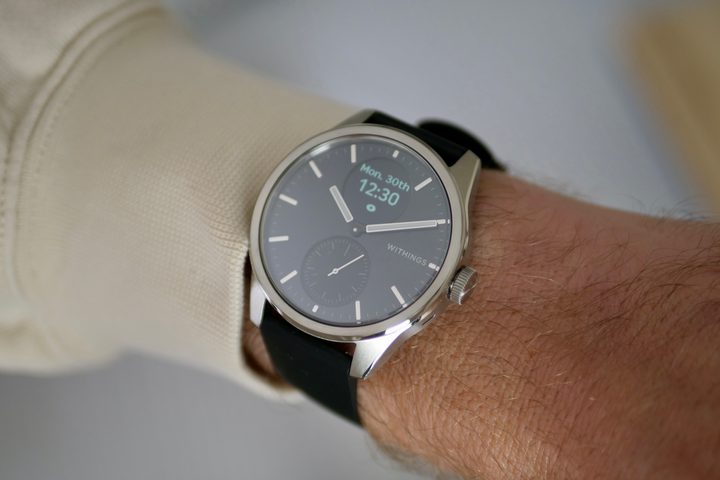
Personally, I’ve been wearing an Apple Watch for years, and it’s my main wearable (currently a first-generation Apple Watch Ultra). But I have a few other devices I also use daily: an Oura Ring, a Withings Body+ scale, and a Withings Scanwatch (the Ultra is too bulky to wear to bed).
But what I have is just a small sample of what is currently available on the market today. There’s the Whoop band, a variety of Fitbits, the Google Pixel Watch 2, plenty of watches from Garmin, and more. But one thing that most of these wearables have in common is the fact that it’s strongly recommended to have a premium subscription to get the most out of any of these devices (and in the case of Whoop, the hardware is free with a required subscription).

The prices for these subscriptions range from $6 (Oura) to $30 (Whoop) a month. When you add that subscription price to the cost of the hardware itself, then it can definitely become a pretty chunk of change. For example, the Oura Ring starts at $300 and goes up to $549, depending on your design and finish. Add 11 months (you get a month free with purchase), and the total can get up to $615.
In a world where everything seems to be moving to subscription models (streaming services, apps, etc.), having to add a health/fitness subscription takes even more thought and consideration.
It’s not as simple as ‘just don’t subscribe’
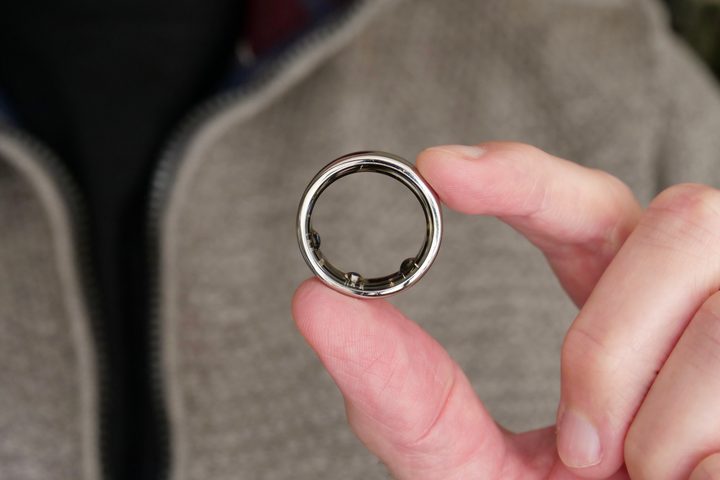
Though none of these wearables absolutely require a subscription (the only exception is Whoop), it’s often the case that the information that they provide for free is so limited and basic that it’s essentially worthless.
I’ve been wearing an Oura Ring for around three years total, since the second generation. I got the third-generation Oura when it launched and have been using it for the past two years. Previously, with the second generation, Oura did not have a subscription model, and you could access all of the data without having to pay anything besides the ring cost.
But with the Oura Ring 3, the company switched to a subscription model, and if you don’t have a membership, you only get to see your three daily Oura scores (Readiness, Sleep, and Activity), ring battery level, and basic profile information. You can also access the app settings and view the Explore section. You miss out on all of the actual data, like heart rate, stress levels, body temperature, blood oxygen levels, HRV, and more. Basically, any worthwhile data is locked behind the Oura membership; if you don’t subscribe, the Oura Ring is essentially useless. I subscribe to Oura because I find the insight it provides valuable, especially when it comes to seeing my nightly body temperature and stress levels.
On the other hand, Withings is still pretty functional even without subscribing to its premium subscription, Withings+. With Withings+, it’s more about targeted guidance and motivational goals based on your health and activity data. So, while it’s nice to have if you’re determined to achieve your goals, it’s by no means necessary to make use of your current Withings devices.

The recent Google Pixel Watch 2, which is better than its predecessor, uses the Fitbit app for all of its health and fitness tracking. While you can access basic information like your daily steps/activity and sleep score for free, there are more features locked behind Fitbit Premium ($10 a month) — like the new Stress Management feature, in-depth sleep analysis, your Daily Readiness Score, and more.
Even though the Pixel Watch is Google’s equivalent to the Apple Watch and Samsung Galaxy Watch, most of the health features are only available with a premium subscription. It’s a bit scummy, and even though Google gives you six free months when you buy a Pixel Watch 2, the whole setup doesn’t feel particularly great.
This is getting out of control
It feels like everything needs a subscription these days. I have multiple streaming video services with my husband, Apple One, cloud storage with Dropbox and Google, a few necessary app subscriptions, and Oura.
However, unlike other subscriptions, a health and fitness subscription also typically requires some associated hardware to go with it, which is an additional cost. Factor that in, and deciding which health and fitness platform to go with gets complicated — especially considering the fact that you need to wear these devices 24/7 to get the most out of them.
Fitness subscriptions aren’t entirely new, but it definitely feels like more and more brands are going the subscription route. For example, I didn’t even realize Withings had Withings+ until recently, though I’m thankful that it’s not required to get the data I want from my Body+ scale and ScanWatch.

Since I have the Oura Ring and like the data I get from it (plus it’s just super easy to wear a ring), I’ll be keeping my Oura membership. But it’s also absolutely ridiculous how useless the ring becomes if you don’t have a membership since you can’t actually get any meaningful data without paying extra.
I miss the days when you could buy one of these fitness trackers and that was that — no additional fees, no subscriptions, no paywalls. Just buy the tracker, wear it, and get that data. It’s just another reason why it feels like subscription fatigue isn’t going away anytime soon, and I’m getting tired of it.