Late last year, Google introduced Android 12L, its operating system optimized specifically for tablets and foldables. After years of neglect, Google showed it was finally taking the form factor seriously. The same went for Wear OS 3, with Google breathing new life into smartwatches. There’s just one problem for both.
As of the time of writing, not one tablet, foldable, or smartwatch has been updated to either of these operating systems. Google has planned to overhaul how its smartwatch and tablet platforms work for the better, but the company’s rollout has undermined its ambitious plans.
Google’s lofty ambitions
Starting with the very first update announced, Wear OS 3 was Google finally taking smartwatches seriously. The Apple Watch has dominated wearables while other brands (like Samsung and Garmin) drifted away to their own custom operating systems given Google’s lack of urgency. Wear OS 3 — which prioritizes design, speed, and more — was supposed to remedy that.
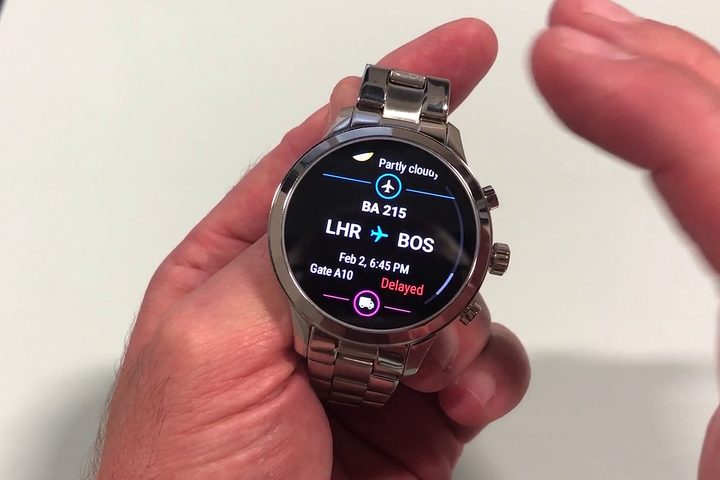
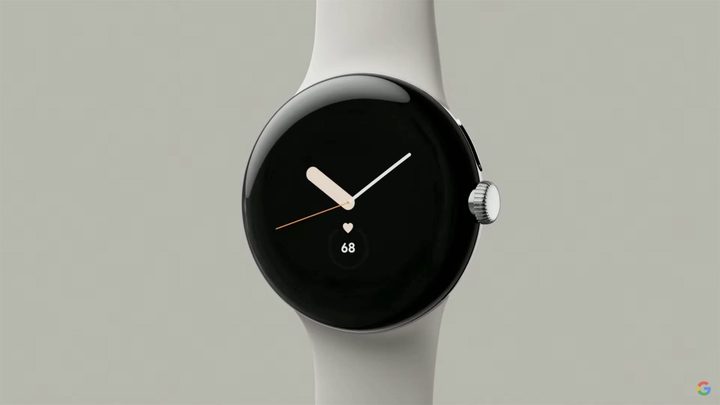
While Google said there was going to be a delay, the update was announced over a year ago at I/O 2021. That is a distant memory at this point, and we haven’t even seen what Wear OS 3 would look like on an actual device. It’s only ever appeared on the Samsung Galaxy Watch 4 and Watch 4 Classic, both of which have it covered in Samsung’s One UI overlay. Google’s Pixel Watch, when it launches, will come one-and-a-half years after Wear OS 3 was announced.
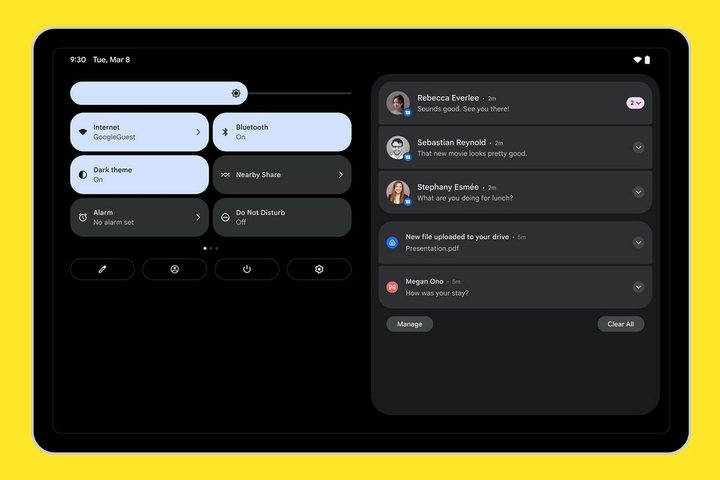
As for Android 12L, it’s an update intended to bridge the gap between Android and iPadOS. In theory, it’s a good update. It brings new APIs for developers, customizes the interface to take better advantage of larger screens, and it even cleans up some of Android 12’s more annoying issues. We say “in theory” because — as of the time of writing (and a month away from Android 13’s release) — you’ll only find Android 12L on the Pixel 6 and the Pixel 6 Pro. Neither of the two is a foldable or a tablet.
Trying to understand the delays
There are good reasons for this, perhaps. Google’s partners have a better handle on the market than Google does. They’ve also done all the legwork and market research. Why not let them set their own terms? Perhaps Samsung and Xiaomi don’t really care about Android 12L, having their own solutions for the problems it fixes. Perhaps Google’s push for Android 13 has them not worried about pushing Android 12L. After all, why get a half-baked Android release when you can have the whole cake later?
Some analysts also share a favorable view of Google’s strategy.
“Wear OS has been growing since the joining of Samsung. Google will continue to expand its eco coverage by launching updated versions frequently. This is also the same reason for updating the tablet platform. Foreseeing the slow increase in smartphones, Google will put more resources into pushing the growth of other products’ installed base, ” Ian Lam, senior researcher at Counterpoint Research, told Digital Trends in an emailed comment.
What’s the point of all this?
From a man-on-the-street perspective, it’s not clear what Google is doing here. If it wanted to tackle the perception that Wear OS watches weren’t worth buying, as it appeared to be doing last year, then announcing Wear OS 3 was absolutely the right thing to do. At the same time, restricting the OS from rolling out to other Wear OS watches smacks of the same hubris Microsoft showed with Windows phones — leaving early adopters behind in search of the new shiny. Sure, Google is going to get around to updating older watches, sometime, someday, but the company’s lack of clarity has left loyalists hanging.
The same goes for Android 12L. Earlier this year, we critiqued Android 12L as not offering enough. Android tablets already have ample optimizations from third-party manufacturers that make much of Android 12L feel redundant. Google may want to object to that argument, but the lack of uptake from anyone of relevance — or indeed anyone at all — raises questions about the level of seriousness the company has. After all, if Google was going to delay Android’s large-screen update until Android 13, then was there really a need to make a big song and dance about a spring rollout?
Google’s problem with tablets and smartwatches was that you were never quite sure the company knew what it was doing. While Android 12L and Wear OS 3 were supposed to fix that, they’ve only driven home that point even more.