The Google Pixel 6a was announced at Google I/O 2022 following months of speculation and rumors surrounding the smartphone. Now that we’ve finally gotten our hands on it, we can confirm that the 6a is a great device for those looking for a new taste of the Pixel flavor without breaking the bank. Here’s everything you need to know about Google’s latest budget smartphone.
Price and availability

Smartphones have had a tough few years in terms of availability due to the global chip shortage. It impacted the releases of both the Pixel 4a and the 5a, so many expected the Pixel 6a to see a limited regional release as well. Fortunately, Google has seemed to have figured supply availability out as the 6a is available in Australia, Canada, France, Germany, Ireland, India, Italy, Japan, Singapore, Spain, Taiwan, the U.K., and the U.S.
The Pixel 6a launches on July 28 and costs $449. Buy at Walmart everywhere you can find smartphones.
Review

If you aren’t sold on the Pixel 6a quite yet, our full review of the Pixel 6a may steer you in the right direction.
Is the Pixel 6a a perfect smartphone? No. The display is only 60Hz, there’s no wireless charging, and battery life is only good for about a day’s worth of use. But for a smartphone that costs just $449, those compromises are fairly easy to look past — especially considering how good the rest of the experience is. The Pixel 6a delivers excellent performance, great cameras, and Google’s excellent suite of software features baked into Android 12.
Plus, if you’ve never been a fan of the larger size/weight of the regular Pixel 6 and 6 Pro, the smaller footprint of the Pixel 6a is a wonderful breath of fresh air.
All Pixels all the time
- Pixel 6 vs. Pixel 6a camera showdown
- Google Pixel Buds Pro review
- Google Pixel Buds Pro vs. Apple AirPods Pro
Design and display

The Pixel 6a takes after the Pixel 6 in terms of its design. Despite having similar-looking exteriors, the 6a uses cheaper materials than the base Pixel 6. This isn’t anything new for Google, as the company always tries to keep a consistent design language across its various phone series. The Pixel 6a falls perfectly within that expectation.
The smartphone features a bezel-less 6.1-inch 1080p OLED display supporting up to 60Hz that’s covered by Corning Gorilla Glass 3. The display has a single 8-megapixel front-facing camera at the top of the screen and an in-display fingerprint sensor toward the bottom. The phone has a stereo speaker and features two discrete microphones.
While all that is relatively standard for what we’ve come to expect from Google’s Pixel A smartphones, its internal frame is noteworthy. The Pixel 6a uses an aluminum frame to hold everything together, not a polycarbonate one, which is the typical standard for budget Android devices. This detail means that the Pixel 6a should be one of the sturdiest Android phones priced under $500, a great selling point for those looking for something on the cheaper side that’s built to last.
The Pixel 6a comes in three different colors: sage (green,) chalk (white,) and charcoal (black.)
Cameras
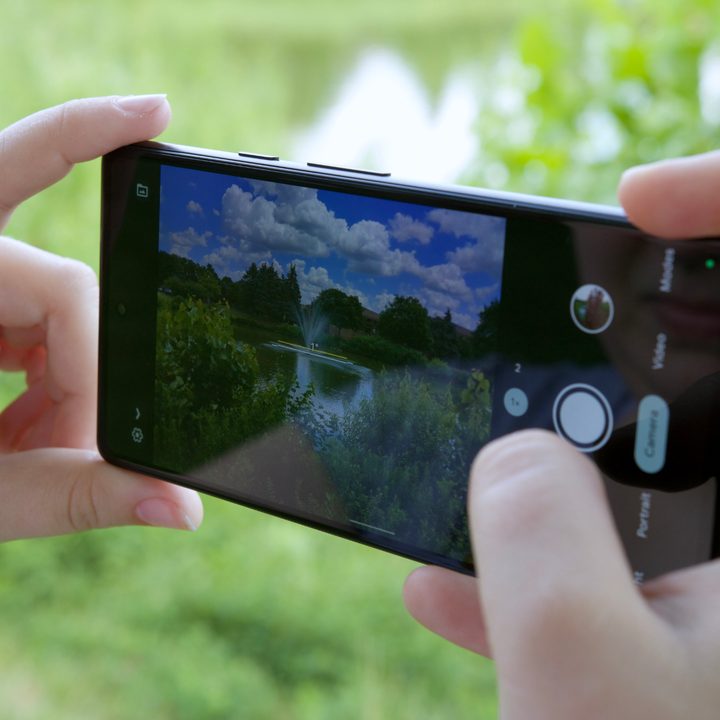
The Pixel 6a features three cameras, one front-facing and two on the back. It shares two of the three cameras from the Pixel 6: the 12MP ultrawide lens on the back and the 8MP front-facing lens. The main difference between the two is that the Pixel 6 features a 50MP back-facing camera, while the 6a’s second back-facing camera is a 12.2MP lens — the same camera featured on last year’s Google Pixel 5.
While not fitted with the absolute best cameras in mobile tech, the 6a has some nice cameras for the price. Google has been marketing its devices as good smartphones for taking pictures for social media, and the Pixel 6a is no exception. Based on our testing of the 6a’s camera system, it’s a great device for snapping quality pictures on the go.
When looking at the Pixel 6a’s video-recording options, it’s a pretty capable package. The smartphone’s rear camera can record both 4K and 1080p video at 30 frames per second (fps) and 60 fps, respectively. Although the front-facing camera is limited to 1080p at 30 fps, the rear camera can also capture 4K time-lapses with stabilization. The phone also allows users to record in slow motion with frame rates of up to 240 fps.
Specs
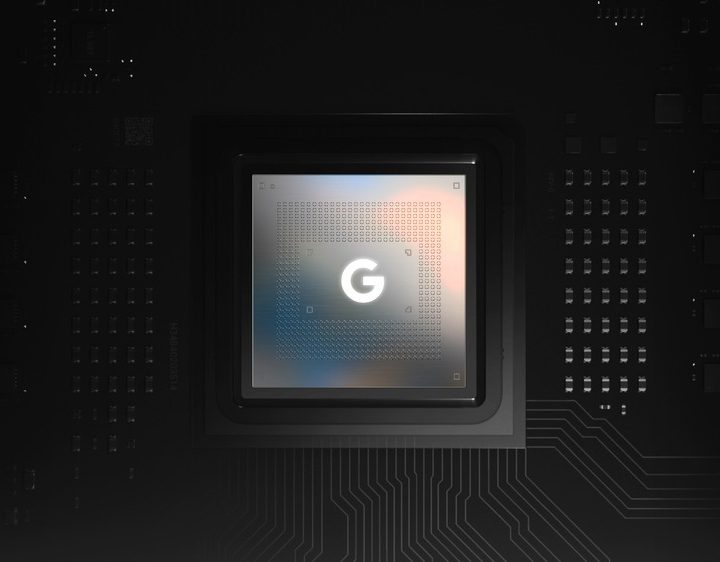
In terms of processing power, the Pixel 6a stands out from other A-series devices as it features a Google Tensor chip, the same that’s inside the rest of the Pixel 6 line. This is a major step forward for budget-line Pixel phones, as previous Pixel A-series phones featured weaker processors than their mainline and Pro counterparts. In addition to the Tensor chipset, the Pixel 6a features the Titan M2 security coprocessor, 6GB of RAM, and 128GB of UFS 3.1 storage.
The Pixel 6a’s battery is a 4410mAh cell that supports Google’s fast-charging adapters. According to Google, the smartphone gets over 24 hours of battery life on a single charge and up to 72 hours of life when in Extreme Battery Saver mode. However, in our review, we’ve found the 6a’s battery to perform far poorer than Google promised. After only about four hours of screen-on time, the Pixel 6a was almost entirely drained.
While this shouldn’t come as a major shock given the rest of the Pixel 6 line’s poor battery performance, it’s still disappointing to see Google not fix anything for the series’ latest release. Similar to the company’s battery life promises, the “fast-charging” that the 6a supports is barely present. It takes nearly two hours to get a full charge from a completely dead phone, regardless of what sort of power adapter is being used.
What about the Pixel Fold and Pixel Watch?
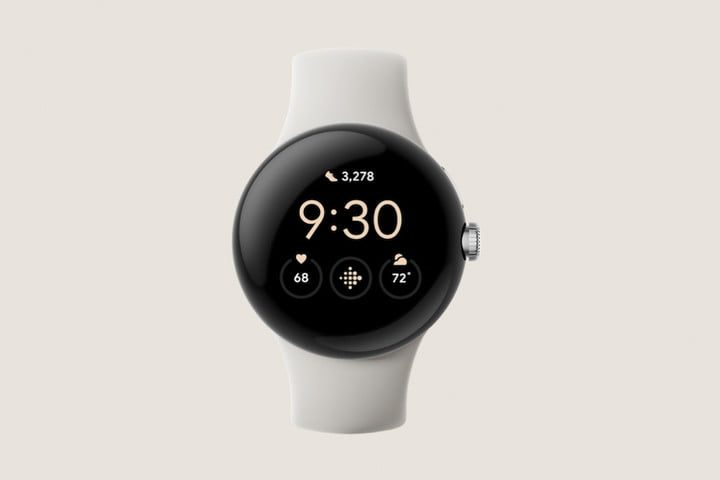
In an exciting, albeit predictable, move, Google showcased its first piece of wearable watch tech at I/O 2022, the Pixel Watch. Although the Pixel Watch was perhaps the company’s worst-kept secret in the weeks leading up to the announcement, fans are excited to see what’s in store for Google’s wearable tech with Wear OS 3.
After being plagued with supply chain issues in 2021, the new Pixel Tablet has finally reared its head. Fans have been itching to get their hands on Google-owned folding tech to try out Android 12L ever since the major update went live earlier this year. Because of 12L’s major focus on tablets and foldables, the Pixel Tablet will be the first time that users will be able to see exactly what Google had in mind with its most recent feature drop.