  1. Home
  2. Wearables
  3. News

Google’s next wearable could be the screen-less Fitbit Air and it’s coming for Whoop’s crown

The Fitbit Air could be Google's most important wearable since the Pixel Watch

Add as a preferred source on Google
stepehen-curry-wearing-google-fitbit-air
Stephen Curry on Instagram Stephen Curry / Instagram

Google has been teasing a screen-less fitness band since late March, and now we finally know what it is called. According to 9to5Google, the upcoming device will be marketed as the “Google Fitbit Air.” NBA star Stephen Curry has already been spotted wearing it since the start of 2026, giving the world its first real look at Google’s answer to Whoop.

What is the Fitbit Air and how it plans to take on Whoop

The Fitbit Air takes direct aim at Whoop, the popular screen-less fitness tracker favored by athletes for its detailed health data like recovery, strain, and sleep tracking. The Fitbit Air appears to follow the same playbook. The “Air” name points to a thinner, lightweight design built for all-day wear without the bulk of a traditional smartwatch.

A Google I/O launch looks plausible given how publicly Curry has been teasing the device. Some basic features will reportedly be free, but advanced tools like the AI-powered Ask Coach feature will sit behind a paid subscription.

Recommended Videos

The Fitbit Air would also be the first major non-Pixel wearable to launch under Google’s leadership since the Fitbit acquisition, which adds real pressure on the device to deliver.

What is Google Health and how does it change the Fitbit experience?

The hardware is only half the story. Google plans to rebrand Fitbit Premium, its existing paid subscription, as Google Health. Additionally, Google will integrate Gemini directly into the Fitbit app to power personalized health insights. These AI features are already being tested through the Fitbit Health Coach public preview.

Once the Fitbit Air launches, the Health feature will get rebranded too, as the Google Health Coach. The teaser shared by Curry ended with a Google “G” with zero Fitbit branding, which now makes a lot more sense. Google is clearly betting that its own name carries more weight in the health tech space than Fitbit does at this point.

Manisha Priyadarshini
Manisha Priyadarshini is a tech and entertainment writer with over nine years of editorial experience.
Meta’s Ray-Ban Display now types messages from your finger movements
Neural Handwriting is a really cool feature, but Meta opening the Ray-Ban Display to developers is the quiet announcement that turns a clever wearable into a platform with immense possibilities.
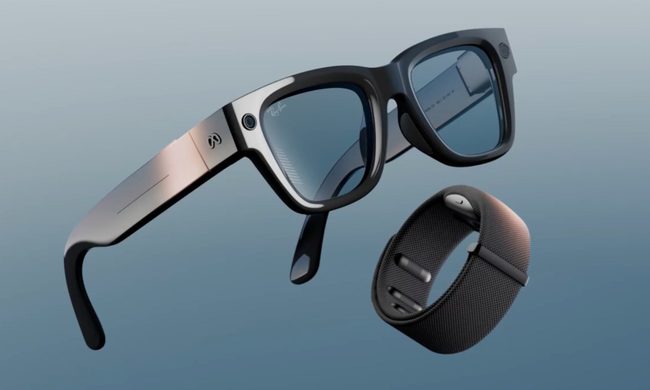
Meta Ray-Ban Display and EMG Band.

Six months into its life, the Meta Ray-Ban Display is starting to look less like an experiment, thanks to what is arguably the most significant update Meta has ever pushed for the device. 

The headline feature is Neural Handwriting, which is now available to every Ray-Ban Display owner, having spent its early months in limited access for Messenger and WhatsApp users. 

Read more
Forget smart glasses, these earbuds can see, hear, and remember everything for you
Electronics, Headphones

Smart glasses have always felt a little awkward to me. Sure, they can play music, take calls, snap photos, and even throw notifications in front of your eyes, but at the end of the day, they’re still just tiny screens sitting on your face. Now imagine removing the screen entirely.

That’s exactly what this new pair of AI-powered earbuds is trying to do. Instead of showing you information, these earbuds are designed to quietly hear, see, remember, and respond to the world around you. And honestly, this might be one of the more interesting directions wearable AI has taken so far.

Read more
Meta will allow third-party apps for Ray-Ban Display glasses. Your eyes must stay glued to digital reality.
Meta just handed developers the keys to the glasses display, and the possibilities are endless.
Meta Ray Bans Display close up shot

Meta announced its Meta Ray-Ban Display glasses with a built-in in-lens display that allows users to see what the smart glasses capture, see and respond to messages, and interact with its Meta AI.

While the built-in apps and features were good, the only way to unleash the potential was to allow third-party developers to build apps. And today, Meta is finally opening up the display on its Ray-Ban smart glasses to developers.

Read more