COVID-19 gets more headlines these days, but high-blood pressure or hypertension is an epidemic all to itself: Over half of Americans have it, and many don’t even know, according to the American Heart Association. Hypertension can cause strokes, heart failure, kidney disease, and more, yet most of the time, there are no obvious symptoms to indicate that you have it, which makes high-blood pressure hard to watch out for and detect. Until now with the latest wearable at CES.
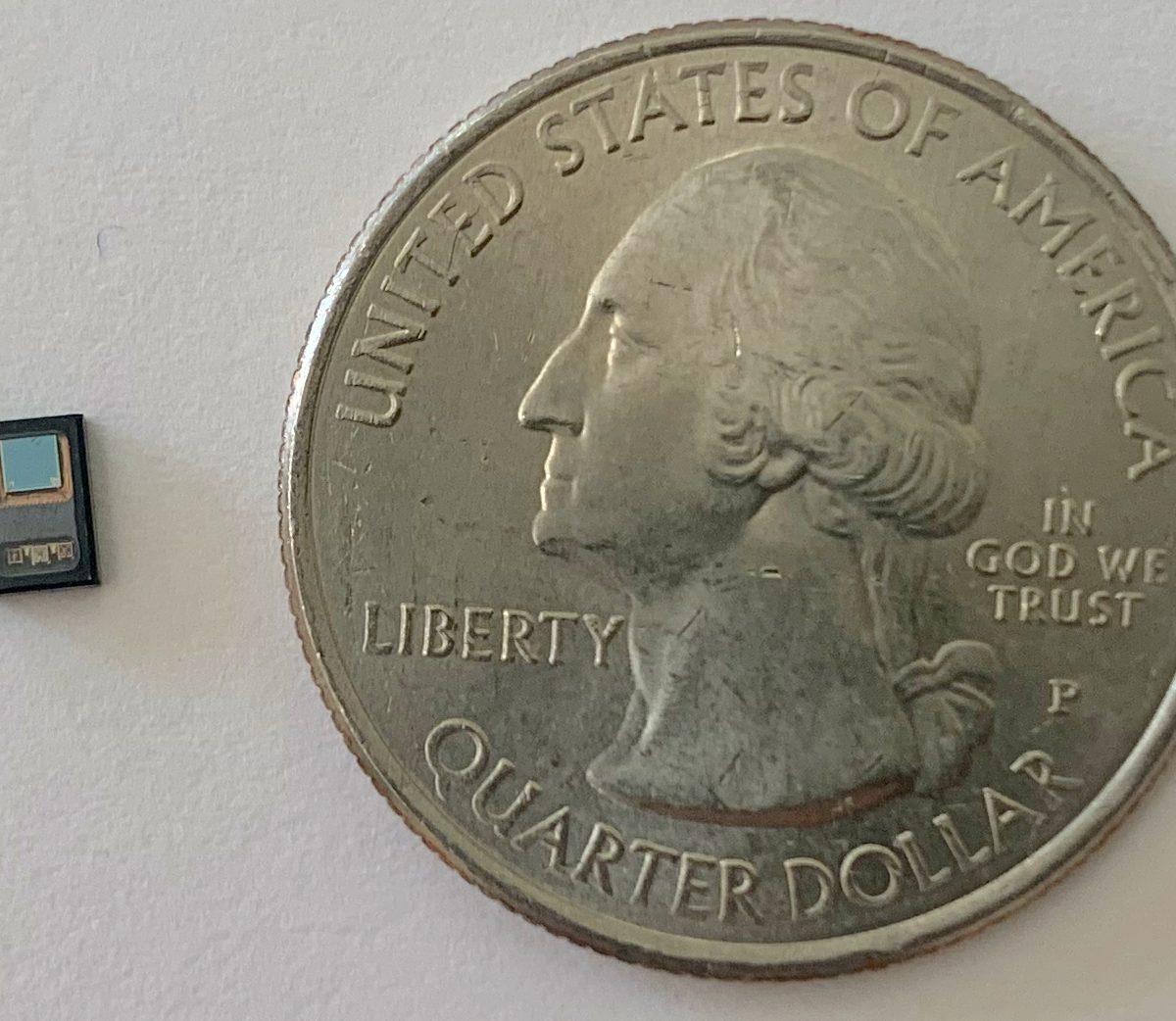
You know the green light that shines out of the back of your smartwatch? It’s called a photoplethysmogram, although no one wants to say that or even try to pronounce it, so most people just call them PPGs. Valencell makes biometric chips that power wearable devices for your wrists, ears, and fingers and is the leading provider of such sensors. Last year at CES, the company teased the ability to measure blood pressure from your ears, no inflatable cuff required — making future earbuds vastly more useful. This year it’s pushing the technology further, announcing the ability to measure your blood pressure from your wrists and fingers as well, truly transforming our wearable devices.
How exactly does a mere sensor come up with blood pressure? After testing on more than 5,000 people and close to 20,000 data sets, Valencell believes it can expand the value of the information from its PPGs. By shining a light into your body and measuring how much reflects back, the company’s sensors can derive blood flow patterns, which it uses to calculate biometrics such as heart rate and respiration rate. Valencell says that by connecting the dots to a variety of other factors such as height and weight, combining data from other sensors in your watch, and smooshing it all through an advanced machine learning system, its sensors can estimate pressure in your veins nearly as accurately as a cuff.
Voila: Blood pressure.
Can’t my smartwatch already do that, you ask? Well no, it can’t. Today’s devices can measure your heart rate, thanks to existing PPGs, and use it in a variety of ways. Apple Watches can send heartbeats as a greeting, for example, or a way to say hello to a loved one, while fitness trackers from Garmin, Suunto, and others use it to measure your athletic performance. Many of those devices use Valencell’s sensors, although, for business reasons, the company is tight-lipped about exactly which ones.
Other devices have claimed some progress toward monitoring blood pressure, which is something of a holy grail for devices. Outside of the United States, health-care tech giant Withings measures something called blood pulse-wave velocity, for example. It’s essentially a measure of the speed of the blood going through your cardiovascular system and an approximation of the pressure it’s under, based upon your height, age, weight, and some really smart algorithms. It’s a good measure of your heart’s health, and you can find it in the Withings Body Cardio if you live in the EU, Australia, and Japan, where it has been approved (FDA approval is still pending).
Meanwhile, you can buy devices from Mocacare today to gauge the health of your heart, including an affordable, FDA-approved cuff for blood pressure called the MocaCuff and the Mocaheart, a simple device that measures heart rate, blood oxygen, and pulse wave velocity with a quick scan of your thumbs. Withings makes a cuff as well (and full disclosure: I use one, though not as regularly as my doctor would have me).
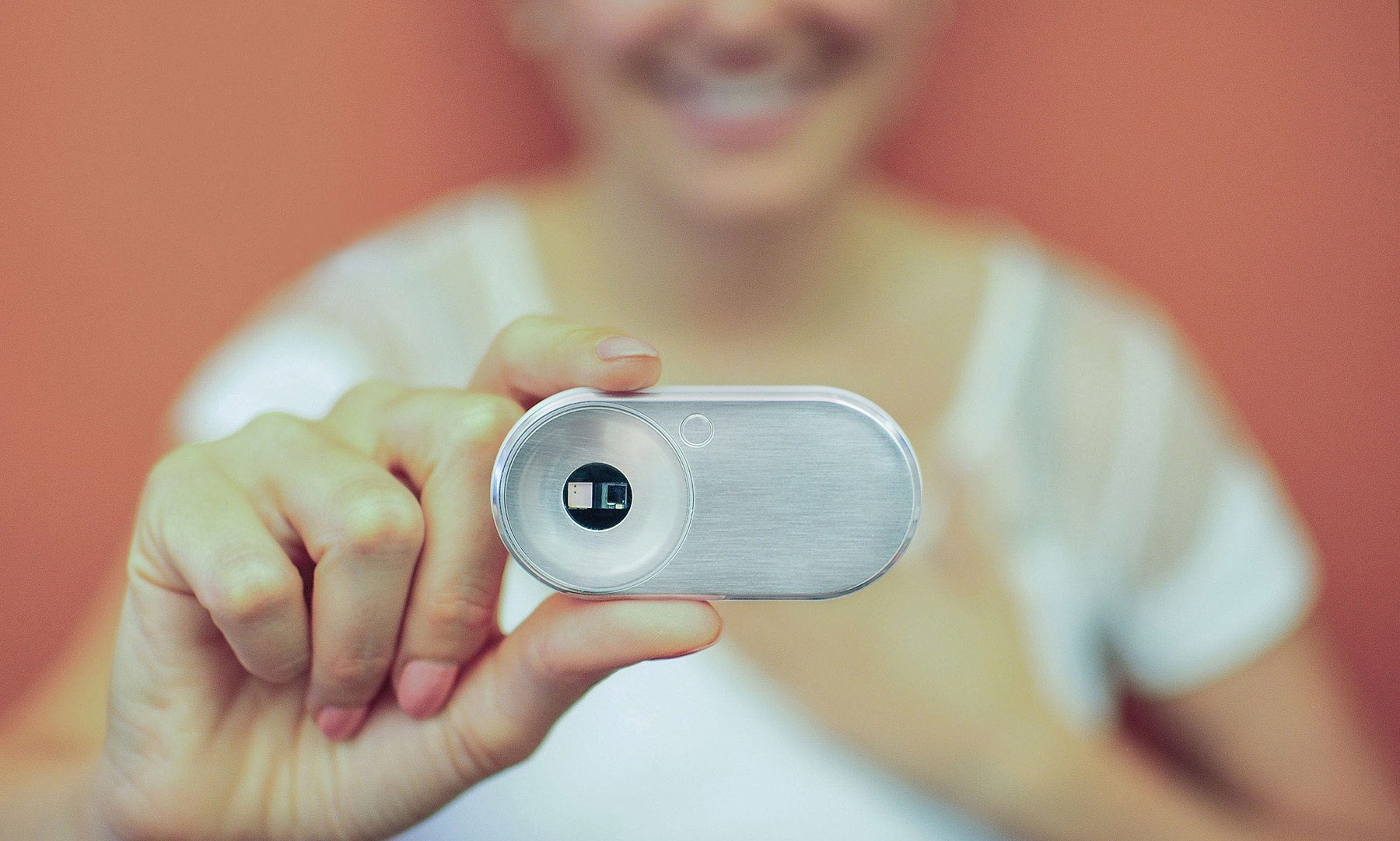
The thing about cuffs is, people don’t use them. And I should know: I have high blood pressure, and a Withings cuff, which sits in my closet shaming me every once in a while when I see it. By activating the sensors on devices we wear every day, Valencell believes we’ll get more consistent readings, and hence decrease the likelihood that worsening hypertension goes unnoticed.
Valencell has not yet applied for FDA approval, but expects to do so shortly, and anticipates approval. The company says devices using the sensor should be released as soon as this year. Keep your eyes peeled for earbuds that can measure your blood pressure toward the end of 2021, and watches and even rings that can do the same in the first half of 2022.