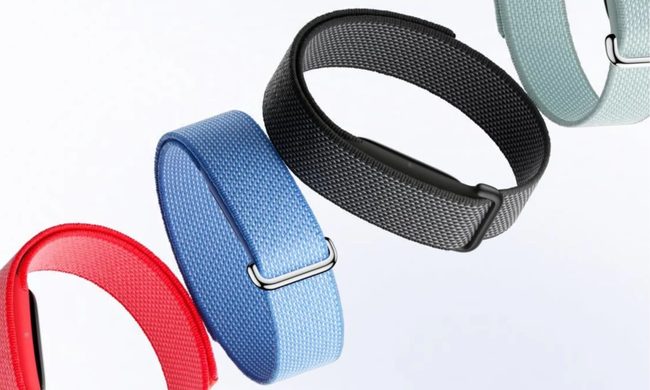
Samsung makes great earbuds for Samsung users. Apple makes great earbuds for iPhone users. That’s been true for years, and 2026 hasn’t changed it. If you’ve landed on this page already knowing that, good — we can skip past the part where we explain what an ecosystem is and get to the stuff that actually matters.
Because here’s the thing: the people reading a comparison like this aren’t usually looking for permission to buy the obvious choice. They want to know how far apart these two products really are. Is the gap in features as big as the spec sheets suggest? And for anyone juggling both a Galaxy phone and an iPhone — which is more people than you’d think — the ecosystem argument doesn’t automatically settle anything.
Both Samsung and Apple have pushed their respective lineups harder this year than they have in a while. Whether that’s closed the gap between them, or actually widened it in unexpected ways, is exactly what we’re here to find out.
Galaxy Buds 4 vs. AirPods 4 ANC: Tech Specs
| Specification | Samsung Galaxy Buds 4 | Apple AirPods 4 (ANC) |
|---|---|---|
| Release Date | March 6, 2026 | September 2024 |
| Price (USD) | $179.99 | $179 |
| Fit Type | Open-fit (no ear tips) | Open-fit (no ear tips) |
| Chip | — | Apple H2 |
| Driver | 11mm dynamic driver (single) | 11mm custom high-excursion driver |
| Audio Quality | 24-bit / 96kHz Hi-Res Audio (SSC HiFi/UHQ) | Standard (no Hi-Res certification) |
| Codecs | SSC HiFi, SSC UHQ, AAC, SBC, LC3 | AAC, SBC |
| ANC / Transparency | Adaptive ANC / Ambient Sound Mode | Active Noise Cancellation / Transparency Mode |
| Spatial Audio | 360 Audio with Head Tracking | Personalized Spatial Audio with Head Tracking |
| Equalizer | 9-Band Adaptive EQ 2.0 | Adaptive EQ |
| Microphones (per earbud) | 3 microphones | 3 microphones (dual beamforming + inward-facing) |
| Voice Assistant | Bixby, Google Gemini, Perplexity (hands-free) | Siri (“Hey Siri” / “Siri”) |
| Head Gestures | Nod/shake (accept/decline calls, Bixby) | Siri Interactions (nod yes / shake no) |
| Bluetooth Version | v6.1 | v5.3 |
| Wireless Charging | Yes (case) | Yes (ANC model case — Qi / Apple Watch charger) |
| IP Rating (Earbuds) / (Case) | IP54 / – | IP54 – IP54 |
| Earbud Battery Life (ANC on) | 5 hours | 4 hours |
| Earbud Battery Life (ANC off) | 6 hours | 5 hours |
| Total Battery with Case (ANC on) | 24 hours | 20 hours |
| Total Battery with Case (ANC off) | 30 hours | 30 hours |
| Earbud Weight | ~5g (each, estimated) | 4.3g (each) |
| Case Speaker (Find My) | No | Yes |
| Find My / Find My Earbuds | Yes (Samsung Find) | Yes (Apple Find My) |
| Touch / Gesture Controls | Pinch, swipe, tap | Force sensor (press once/twice/three times) |
| Colors | Black, White | White only |
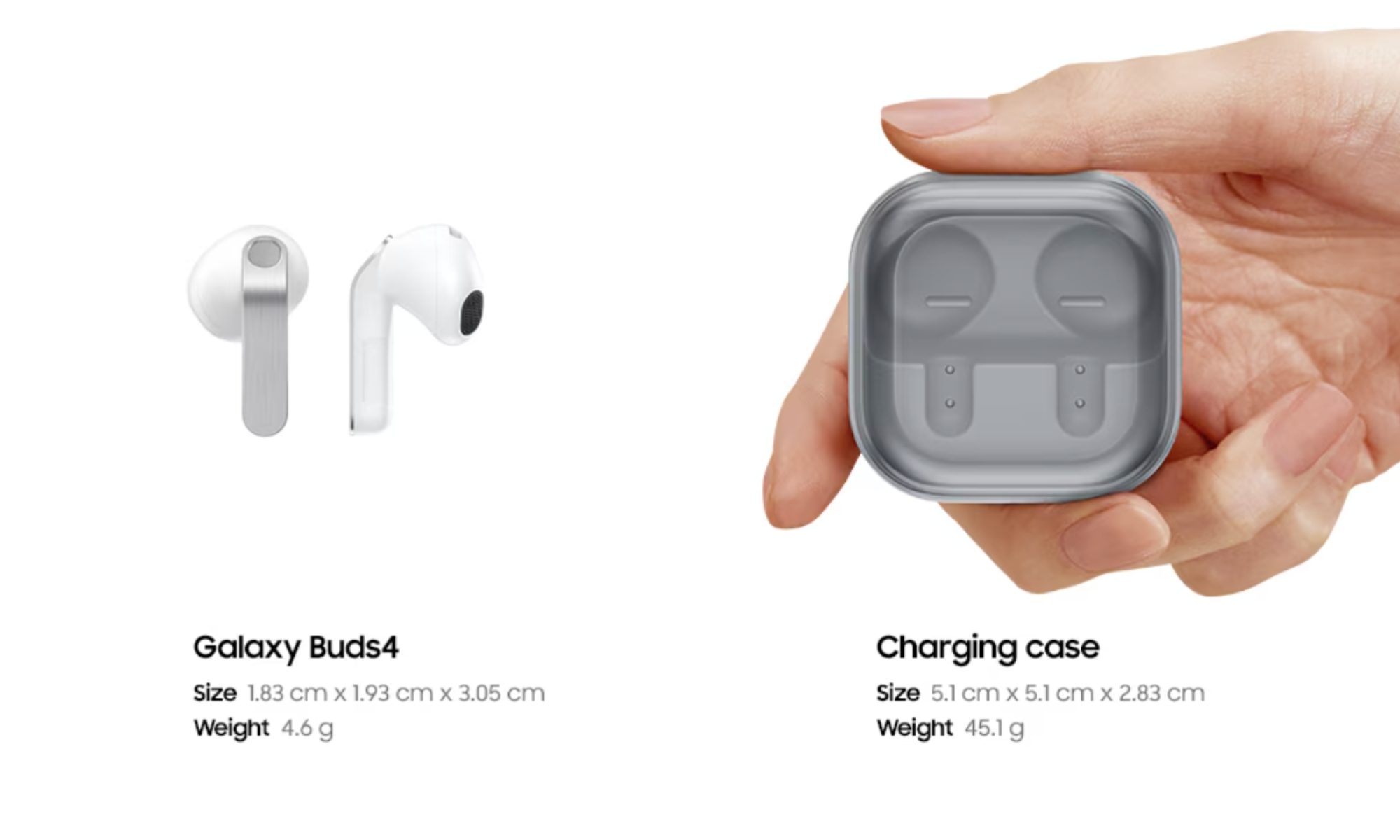
Galaxy Buds 4 support more codecs and support Auracast

Start with audio. The Buds 4 supports Hi-Res Audio at 24-bit/96kHz — the AirPods 4 ANC doesn’t, and that gap shows up in how music actually sounds on a decent streaming service. Samsung also throws in SSC, AAC, SBC, and LC3 codec support, where Apple gives you AAC and little else. The 9-Band EQ means you’re not stuck with whatever tuning Samsung ships.
Noise control works across three modes. Adaptive ANC maps itself to your ear shape and fit rather than applying a blanket algorithm. Ambient Sound Mode is the one you’ll reach for on a walk home at night, or any time you want music in your ears without losing track of what’s happening around you.
Adaptive Noise Control goes a step further — it watches your context, and if you’ve gone from sitting at your desk to stepping onto a bus, it’s already switched modes before you’ve thought to do it yourself.
The rest fills in nicely. Bluetooth v6.1 holds its connection better than the AirPods 4’s v5.3 when you’re somewhere with a lot of competing signals — a busy office, a crowded train. Five hours of ANC battery beats Apple’s four, which adds up over a long day. Auracast support, pinch-swipe-tap controls, Samsung Find, Live Translation across 22 languages, and the ability to pull up Bixby, Gemini, or Perplexity hands-free through Galaxy AI round out a feature set that punches well above the Buds 4’s $179 price tag.
AirPods 4 ANC are the most affordable Apple earbuds with ANC
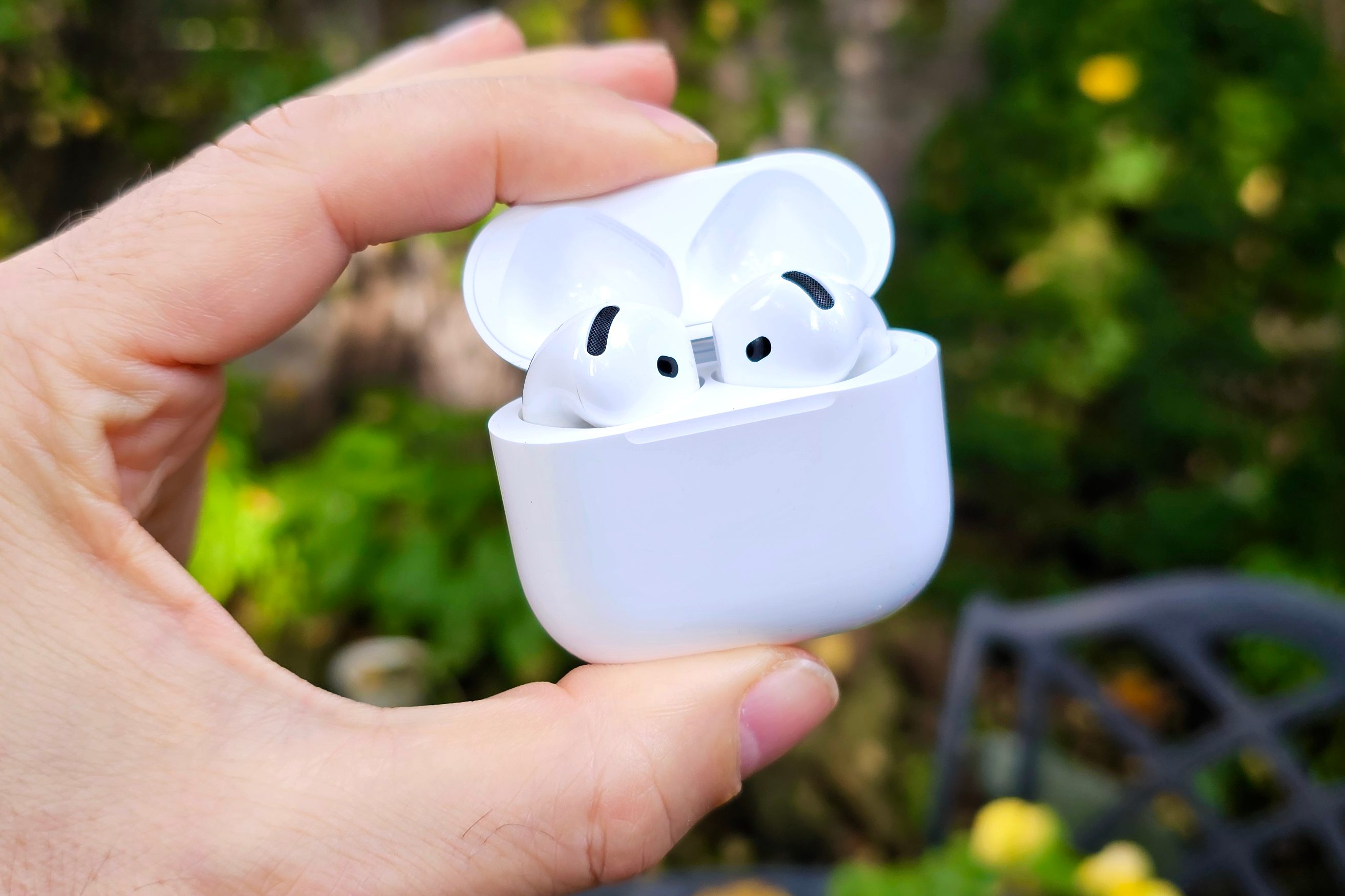
The H2 chip brings real Active Noise Cancellation to an open-fit earbud with no silicone tips. It shouldn’t work as well as it does. Transparency Mode is among the most natural-sounding in the business, and Adaptive Audio means you’re rarely reaching into settings to flip between modes. Apple’s real calling card has always been how well its devices play together, and the AirPods 4 ANC is no exception.
Pull the AirPods out of the case near your iPhone and they’re already connected. Walk over to your Mac and the audio moves with you — Automatic Device Switching and Handoff is one of those things that feels ordinary until you use earbuds that don’t have it.

Siri responds to your voice without a button press, and Apple Intelligence builds on top of that with smarter, more conversational interactions.
The wireless charging case is IP54-rated, small enough to disappear into any pocket, and has a Find My speaker built in so you’re not turning the room upside down looking for it. A force sensor keeps physical controls precise and reliable, and while four hours of ANC battery won’t get everyone through the day, it’s a reasonable trade-off for a genuinely pocketable, open-fit design at $179.
Galaxy Buds 4 Pro vs. AirPods Pro 3: Tech Specs
| Specification | Samsung Galaxy Buds 4 Pro | Apple AirPods Pro 3 |
|---|---|---|
| Release Date | March 6, 2026 | September 2025 |
| Price (USD) | $249 | $249 |
| Fit Type | Canal-fit (in-ear with silicone tips) | In-ear with silicone tips |
| Chip | — | Apple H2 headphone chip |
| UWB Chip | — | Apple 2nd-gen Ultra Wideband chip (in case) |
| Driver Configuration | 2-way: 11mm dynamic woofer + 5.4mm planar tweeter | Custom high-excursion Apple driver + custom high dynamic range amplifier |
| Audio Quality | 24-bit / 96kHz Hi-Res Audio (SSC HiFi/UHQ) | Up to 20-bit / 48kHz lossless (Apple Vision Pro only); standard AAC over Bluetooth |
| Codecs | SSC HiFi, SSC UHQ, AAC, SBC, LC3 | AAC, SBC |
| Active Noise Cancellation | Adaptive ANC 2.0 | ANC — up to 2x more than AirPods Pro 2; 4x more than original AirPods Pro |
| Spatial Audio | 360 Audio with Head Tracking | Personalized Spatial Audio with dynamic head tracking |
| Microphones (per earbud) | 3 SNR mics + VPU (bone conduction) + SWB | Dual beamforming + inward-facing microphone |
| Heart Rate Sensor | No | Yes (infrared PPG, 256 pulses/sec) |
| Hearing Health Features | No | Hearing Test, Hearing Aid, Hearing Protection, Automatic Conversation Boost |
| Live Translation | Yes (22 languages, Galaxy S26 req.) | Yes (English, French, German, Portuguese, Spanish; Apple Intelligence iPhone req.) |
| Earbud Battery Life (ANC on) | 6 hours | 8 hours |
| Total Battery with Case (ANC on) | 26 hours | 24 hours |
| Find My / Find My Case | Yes (Samsung Find) | Yes (Apple Find My; case plays sound) |
| Touch / Gesture Controls | Pinch, swipe, tap (engraved pinch area) | Force sensor: press, press & hold, swipe up/down for volume |
| Colors | Black, White, Pink Gold (online exclusive) | White only |
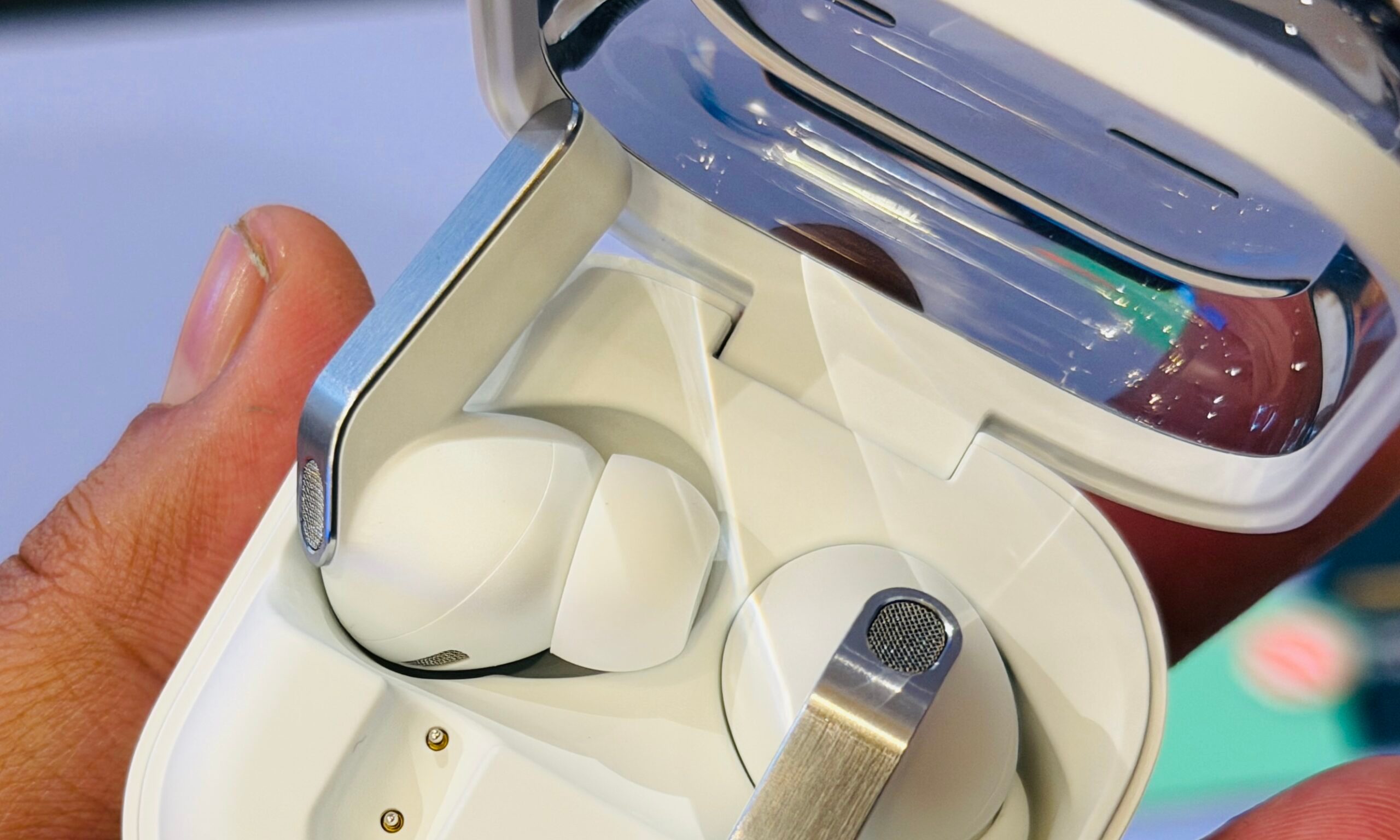
Buds 4 Pro support Hi-Res Audio and offer a 9-band equalizer

On the audio hardware front, the Galaxy Buds 4 Pro pulls ahead with a two-way driver system — an 11mm dynamic woofer paired with a 5.4mm planar tweeter — delivering a wider frequency range and more precise separation between lows and highs than a single-driver setup can manage. This hardware is backed by Hi-Res Audio certification at 24-bit/96kHz, something that even the Pro AirPods simply cannot claim, alongside an extensive codec lineup — SSC HiFi, SSC UHQ, AAC, SBC, and LC3.
For noise management, Samsung offers three distinct modes: Adaptive ANC 2.0 (analyzes your ear shape and wearing conditions to fine-tune cancellation), Ambient Sound Mode (lets environmental audio through naturally), and Adaptive Noise Control (automatically switches between modes). Add to that a fully manual 9-Band EQ for granular sound customization.
Auracast lets you tune into public broadcast audio streams. There’s also a dedicated Gaming Mode that cuts latency for mobile gaming, and a genuinely novel 360 Audio Recording feature that captures spatial audio through the earbuds themselves when filming on a Galaxy phone.
There’s Live Translation, support for multiple assistants like Bixby, Google Gemini, or Perplexity entirely hands-free, and Interpreter Mode handles real-time face-to-face translation.
AirPods Pro 3 offer heart rate sensing and hearing aid features
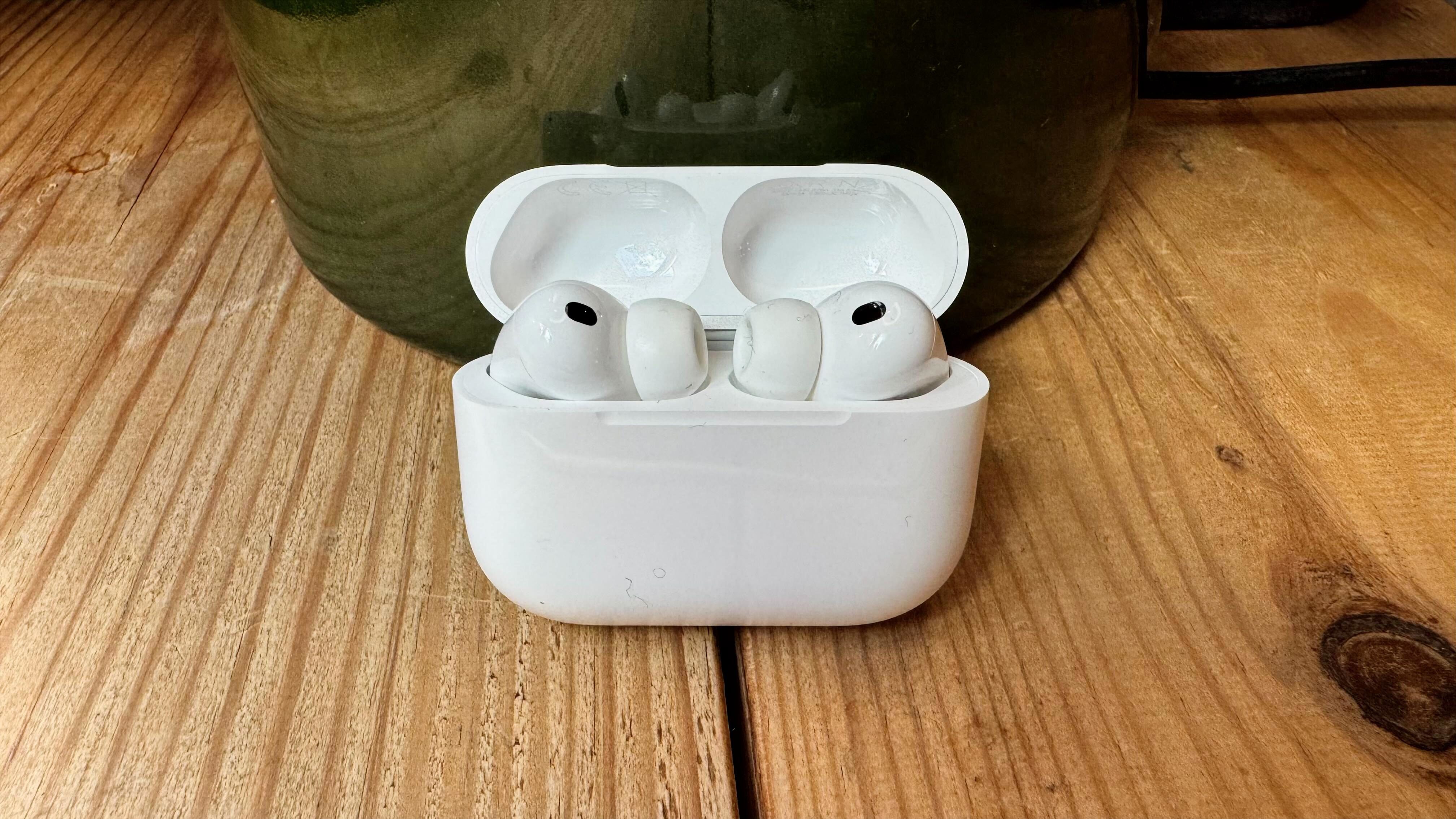
Apple’s H2 chip is doing a lot of heavy lifting here. It’s what powers the Pro 3’s class-leading ANC — up to 4x stronger than the original AirPods Pro — and what makes Adaptive Audio feel less like a feature and more like the earbuds just knowing what you need. The classics like Adaptive Audio, Conversation Awareness, Personalized Spatial Audio, and Adaptive EQ are all there.
The bigger story, though, is health. No other flagship earbud at this price does what the Pro 3 does — a real heart rate sensor, 50+ workout types through the Fitness app, and a hearing suite that includes a clinical Hearing Aid mode, Hearing Test, and Hearing Protection. These aren’t checkbox features; they’re things people will actually use daily.

Rounding things out, the Camera Remote is a neat hands-free trick, Studio-quality recording turns the Pro 3 into a capable on-the-go microphone, and the IP57-rated MagSafe case — with its Find My speaker and second-gen Ultra Wideband chip for precision tracking — is simply the most complete charging case in the business. Battery life with ANC on hits eight hours, comfortably ahead of the Buds 4 Pro.