
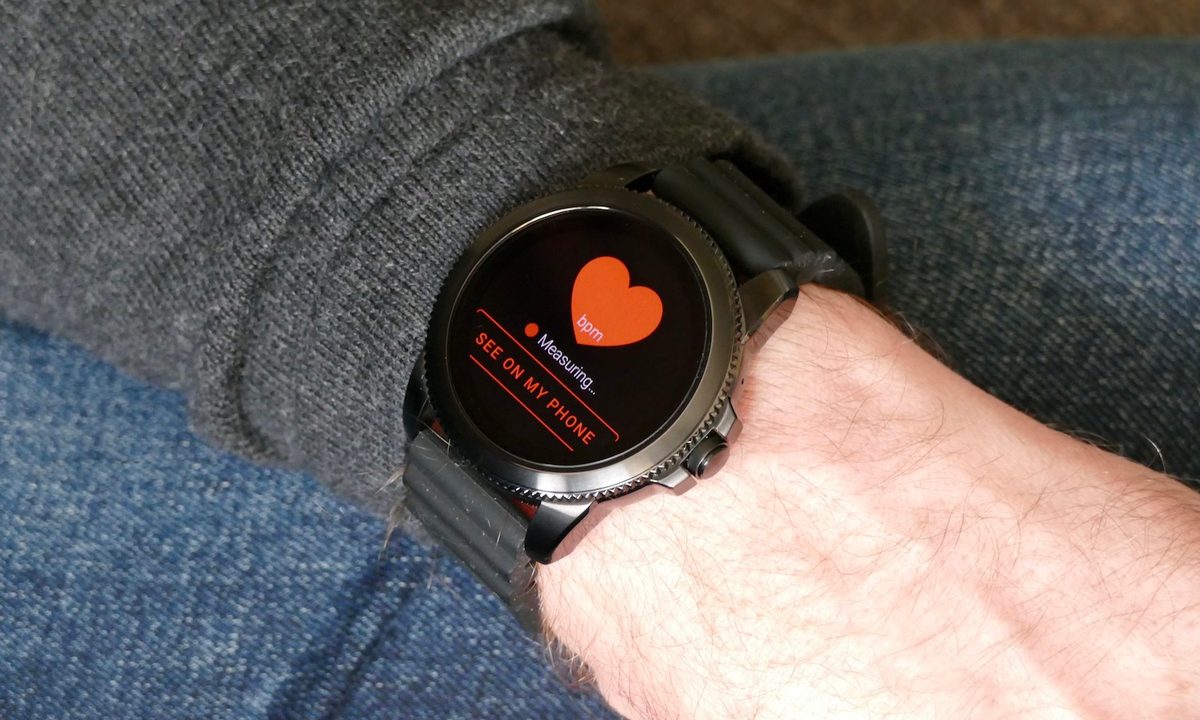
Over the past couple of years, the medical science community has shifted its attention to wearables in a serious fashion, thanks to their mass uptake. Those efforts have yielded some remarkable results in the efficacy and potential of these wearable devices.
The latest such scientific revelation comes from the experts at the University of Barcelona. In a paper published in the Cell Journal, the team described how smartwatches can be used to accurately detect psychological disorders using biomarkers.
Using the data provided by continuous monitoring from a smartwatch, the team behind the latest research was able to identify 16 significant genetic loci and 37 psychiatric-associated genes.
“Our methodology has made it possible, for the first time, to simultaneously analyze the relationship between genetics and the different measures provided by smartwatches,” notes co-author of the paper, Diego Garrido Martín.
The team trained an AI model that took into account physiological information collected using smartwatch sensors. As part of the study, data was collected from over five thousand participants aged 9-14 years using Fitbit smartwatches.

Experts used wearable measurements such as heart rate, calories, steps, workout intensity, sleep level, and more. When fed to an AI model, the team was able to create a digital phenotype, or in simpler terms, a set of observable traits collected in a digital format.
Tying smartwatch data to genetics
These digital phenotypes, for the first time, offer an alternative approach to prediction, or diagnosis of psychiatric illnesses that would otherwise require an in-person consultation with a certified expert. But more importantly, the wearable-based approach also ties into the genetic depth of such disorders.
“One advantage of doing this is that we can use the digital phenotype almost as a diagnostic tool or a biomarker, and also bridge the gap between disease and genetics”, one of the co-authors, Jason Liu, explained.
The core challenge here is creating a reliable system that can process all the data provided by a smartwatch and derive accurate conclusions. The team argues that the sensor data provides enough details about physical and behavioral patterns that we can tie them to psychiatric illnesses with a high degree of reliability.

“These measurements quantify an individual’s physiological processes and their real-time changes in response to environmental stimuli, and they can thus provide key information about an individual’s behavior,” says the research paper.
For example, sleep analysis proved to be the more important factor when it comes to diagnosing anxiety, while heart rate proved to be the more valuable tool for predicting behavioral developmental woes such as Attention-deficit/hyperactivity disorder (ADHD).
A new dawn for psychiatry
The latest research marks the first time that digital phenotype data collected from real-time monitoring using smartwatches have been linked to psychiatric illnesses and the genetic profile of a person.
The latter is the most promising element of the new research. We are talking about a fundamental shift in how we diagnose and prescribe cures for psychological illnesses, moving beyond the traditional behavioral analysis and into a territory where biomarkers and physiological data play a crucial role.

“Their findings may serve as inspiration to move beyond traditional clinical diagnostics and adopt quantitative behavioral measurements that may be of greater use in identifying genetic biomarkers,” says the team.
At the heart of this revolution would be smartwatches. Notably, the biomarkers sourced from the Fitbit smartwatches used in the research can also be collected from a majority of mass-market wearables across the smartwatch, band, and even smart ring form factors.
“Our accurate predictions suggest that these quantitative features could be useful for studying other aspects of psychiatric disorders, such as their underlying genetic architecture,” adds the research paper.
The team concludes that the processed biomarker data captured via smartwatches can be used to more accurately categorize patients across different diagnostic tiers, enhancing the overall quality of treatment delivery.


