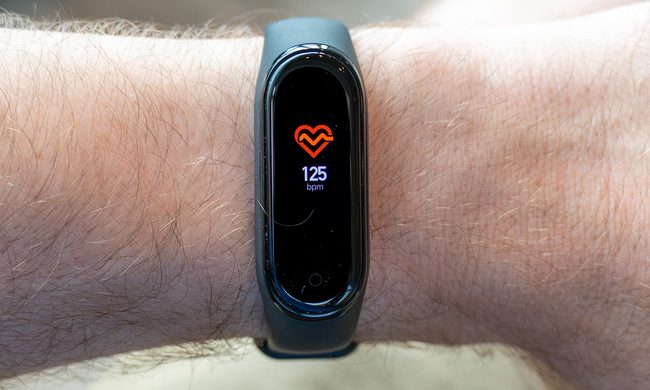
The wearable segment is seeing multiple, exciting breakthroughs at the moment. At CES 2025, we saw Novosound showcase a sensing kit for ultrasound-based real-time blood pressure monitoring, expressing its readiness for the smartwatch and smart ring form factors. Blood glucose sensing is already in the works, and researchers are also exploring how sleep data can be used in the context of chronic problems for better health analysis.

Now, fresh research from experts at Mount Sinai claim data collected by smartwatches like the Apple Watch Series 10 and smart rings like the Oura Ring 4 can be used to predict the flare-up of chronic problems, and even identify the deterioration of related symptoms. As part of their study, the team focused on inflammatory bowel disease (IBD), a chronic condition that causes inflammation in the gastrointestinal tract.
According to the Centers for Disease Control and Prevention, it affects millions of people across the world and happens when our immune agents attack the body’s healthy bowel cells. It is characterized by episodes of remission, where symptoms like diarrhea, fatigue, pain, ulcers, and rectal bleeding trouble sufferers.
Informative biomarkers

In the research, which was published in a Gastroenterology journal, wearable devices sold by the likes of Apple, Fitbit, and Oura can prove to be “effective tools in monitoring chronic inflammatory diseases like IBD.”
Specifically, the team monitored biomarkers such as heart rate variability, oxygen levels, daily activity, and heart rate in over 300 participants recruited across three dozen states. They were also asked to report their symptoms daily, while also facilitating blood and stool analysis.
The team found the biomarkers mentioned above were affected when the participants showed inflammation symptoms of ulcerative colitis or Crohn’s disease, two predominant forms of IBD. Remarkably, the biomarkers measured by the wearable devices also shifted in the absence of visible symptoms, and changed up to seven weeks ahead of the symptoms appearing.
“These physiological markers could detect inflammation even in the absence of symptoms and distinguish whether symptoms were driven by active inflammation in the intestines,” says the press material provided by the Mount Sinai Hospital and Mount Sinai School of Medicine.
Fine tuning algorithms

The team is now at work fine-tuning the algorithms so that smartwatches and smart rings will be able to detect signs and predict the flare-up of other related health woes such as rheumatoid arthritis.
“These findings open the door to leveraging wearable technology for health monitoring and disease management in innovative ways we haven’t previously considered,” said Dr. Robert Hirten, Associate Professor of Medicine (Gastroenterology), and Artificial Intelligence and Human Health at Mount Sinai’s Icahn School of Medicine.
This won’t be the first research of its kind. Another paper published in the Expert Review of Medical Devices journal in 2024 postulated that aside from using wearable devices for predicting flares and monitoring IBD symptoms, they can also be used for early detection of diseases as well as assess gut health. In 2023 the California Institute of Technology detailed a wearable skin sensor worn as a small patch that can detect the presence of C-reactive protein in human sweat. Produced by the liver, C-reactive protein is a well-known predictor of inflammation in the body. It offered a glimpse into the sheer potential of wearable devices at keeping us fit and predicting diseases. Elsewhere, Oura has added a Symptom Radar feature to the Oura Ring’s app, which can help identify the onset of respiratory illnesses.