
We just had two smartwatches announced last week: Samsung’s Galaxy Gear and Qualcomm’s Toq. The Qualcomm is closer to the eventual goal for these devices because it focuses on outdoor capability, small size, and battery life), but neither is as attractive as they will need to be to catch on. Still, both devices hint at an interesting future, when the screens and cameras on smartphones become obsolete, or at least redundant. Let’s step back and look at the big trend, and see if you agree.
A new screen
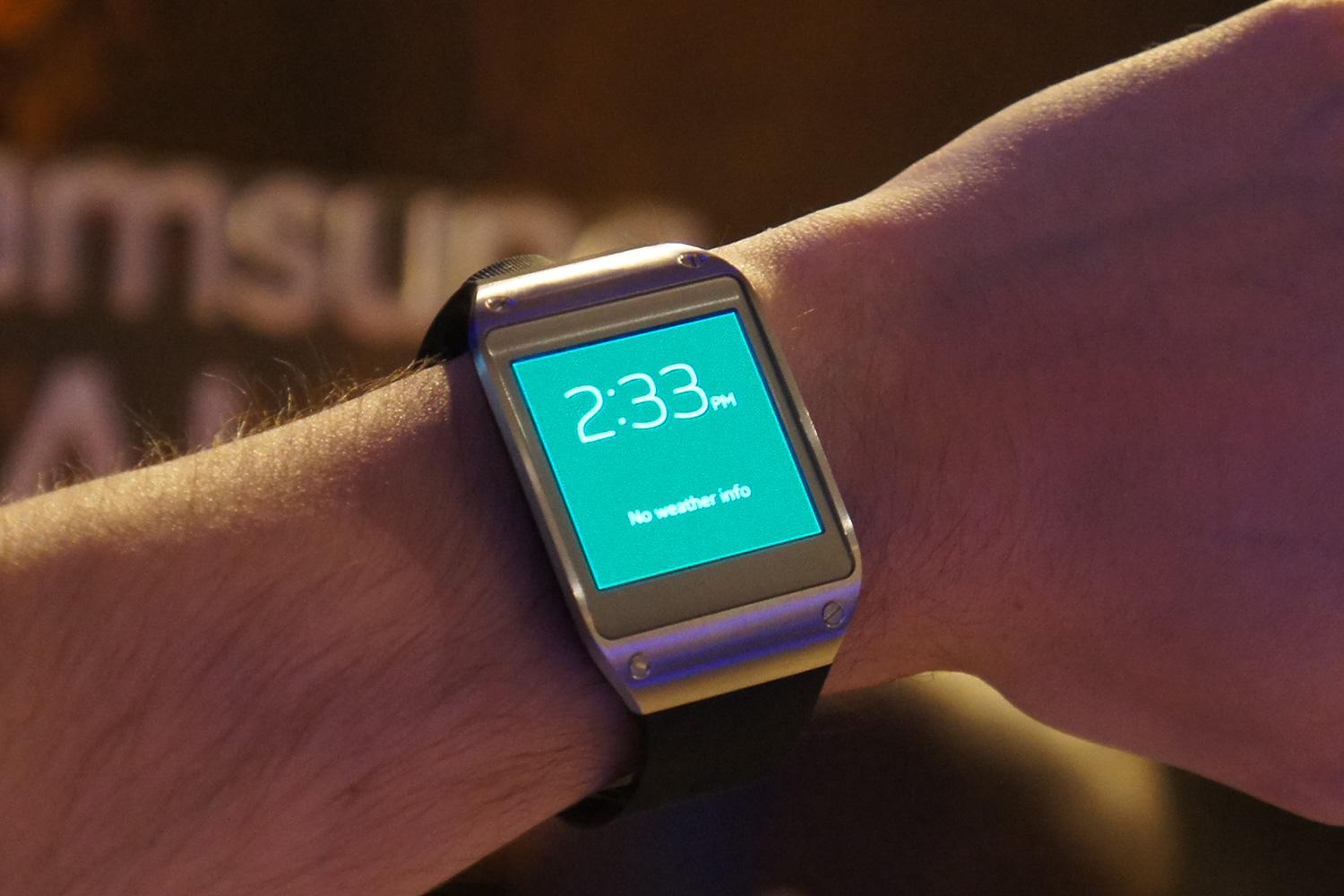
Samsung’s Galaxy Gear moves the screen and the camera off the smartphone and onto your wrist, where both are more accessible. You can leave your phone in your pocket or purse, and still quickly get to messages or shoot photos. Since this is Samsung’s initial effort, it combines many technologies in an attempt to do everything, and the implementation is suboptimal. For instance, the camera on the Galaxy Gear is very low quality compared to what is on most phones. This is because Apple hasn’t set the market yet – historically Cupertino is best at initially copying someone else. Still, it showcases a trend: If you put an equivalent camera on a device, you really wouldn’t need the camera on the phone. It would be redundant.
Qualcomm’s Toq smartwatch does a few things very well, rather than Samsung’s more ambitious vision. This is closer to the “Apple model” of initially focusing on mastering a few key functions, and less like Microsoft’s typical “everything but the kitchen sink” approach, which hasn’t worked as well over the last decade. The Toq’s Mirasol display uses transflective technology, which actually works better than a smartphone’s screen outdoors because it won’t wash out in the sun. It’s designed to be a controller for your media experience, and eventually a super remote to control for all your devices. It focuses on making the display on your phone redundant, particularly outdoors. Once again, it begins to challenge the need for a display on your phone.
Steal this
A massive increase in cell phone theft makes an interesting backdrop for these trends. Currently, you’re very likely to be mugged for your cell phone. People are stripped of them all the time now in large cities. Wearing a smartwatch instead of taking out a phone will make you far safer in that regard. Unless an attacker wants to cut off your hand, stripping you of your watch is problematic, and they’ll need to pick your pocket or grab your purse to get to your phone. You could also hard pair the devices, making the phone useless without the watch and therefore pointless to steal.
Tablets and phablets
Tablet sales have been dropping sharply lately, largely because smartphones have been growing in size and laptops have been shrinking, getting better battery life, and getting cheaper. Currently, having one of these devices connected always requires a second wireless account, unless you turn tethering on. What if, instead, you turned the tablet into another smartphone accessory (like the smartwatch is) that merely functioned as a bigger screen?
You can leave your phone in your pocket or purse, and still quickly get to messages or shoot photos.
Granted, the phone would have to automatically pair with at least one screen initially, or setting up the phone could be problematic. However, you could also move smartphone setup to the Web (which is where it should be anyway, since it’s a connected device), and that would allow you to set it up with the existing connected device of your choice. Putting functions like “find my phone, tablet, or smartwatch” on all screens would ensure you never misplaced them, and proximity alerts could tell you immediately when a paired device was left behind.
The rebirth of the modular computer
In the late 1990s, IBM had a prototype called the Modular Computer that did much of what I’m talking about. But because the IBM PC company was having issues, and it required a physical connection (this was before Bluetooth) it was defunded and never came to market.
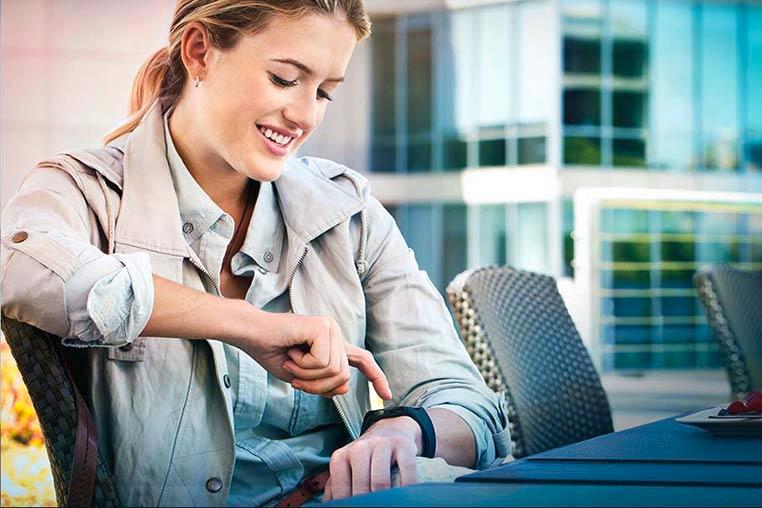
The concept was always compelling, though, because it would allow a user to configure a unique combination of screens and input devices to best meet their needs, many of which were wearable. The smartwatch, thanks to wireless connectivity, now begins to revisit that concept. If it moves to other screens like tablets, in-car entertainment systems, glasses and TVs, as I suspect it will, then the smartphone simply becomes a part of the solution. It doesn’t need a screen or camera itself, nor does it ever need to come out of your pocket, off your belt, or out of your purse.
Since much of what we will in the future will be running off the “cloud,” this could make the world of the 2020s vastly different than the world of today. Not only would smartphones not have screens, the winning vendor may be the one that owns the entire solution and not any one device. The company that takes Apple’s place next decade, then, might not exist yet.
Disruptive seems like such an inadequate word suddenly.


