1. Home
  2. Phones
  3. Android
  4. Mobile
  5. News

Google brings Gboard search features to Google Keyboard app on Android

Add as a preferred source on Google

A new update to Google Keyboard — the default keyboard on Nexus, Pixel, and some Android phones –also brings a name change, to Gboard. If the new name sounds familiar, that’s because it’s the name of an existing keyboard Google released on iOS earlier this year.

The iOS app, which debuted in May, lets users run Google search queries and share results directly in the keyboard — eliminating the need to leave an app to go to Google search. It also features GIF and emoji search. Google said Gboard features would eventually come to Android, and it looks like the company realized it makes more sense to combine it with the existing Google Keyboard app.

Recommended Videos

The porting of Gboard features means you can now run Google searches in the Android keyboard. You’ll see an arrow on the top left side of the keyboard. Tap it and you’ll get five options: Google Search, access to keyboard themes, one-handed mode, access to keyboard settings, and voice input. You can also head over to the keyboard’s settings and click Search to show the “G” button for quicker access to search.

The search function lets you add Knowledge Graph cards — if you search “The Meatball Shop” for example, Gboard lets you throw the result into a conversation. That way, the people in the conversation can easily call the restaurant, find directions, and more. This applies to sharing news stories and YouTube video links as well.

You can also search for emojis when you tap the emoji icon. GIF search has been available, but you need to be on Android Nougat for it to work. It also requires apps to add support, and right now is limited to a few. including Allo, Hangouts, and Google Messenger.

The update also adds the ability to permanently display a number row above the keyboard in case you find yourself typing in numbers often.

The Gboard update and rebranding should be rolling out to the Google Keyboard app on Android now. Android phones from manufacturers like Samsung and LG have their own keyboards, but these can be changed to whatever suits your liking on the Play Store.

Julian Chokkattu
Former Mobile and Wearables Editor
Julian is the mobile and wearables editor at Digital Trends, covering smartphones, fitness trackers, smartwatches, and more…
Gemini Intelligence has strict requirements, and your phone may not qualify
Gemini Intelligence

Google’s new Gemini Intelligence platform is quickly becoming one of the biggest talking points in the Android world right now. After being highlighted during this week’s Android Show, the feature is already being tied to several upcoming premium foldables and flagship phones. But there’s a catch: not every high-end Android device will be able to run it. And surprisingly, even some of Google and Samsung’s latest foldables may miss out.

According to Google’s requirements, Gemini Intelligence isn’t just another software update you can casually push to older devices. The company appears to be building this around a much stricter hardware and long-term software support system. To qualify, a phone needs a flagship-grade chipset, at least 12GB RAM, support for AI Core, and Gemini Nano v3 or newer. That immediately creates a problem for several current-generation phones.

Read more
Meta’s Ray-Ban Display now types messages from your finger movements
Neural Handwriting is a really cool feature, but Meta opening the Ray-Ban Display to developers is the quiet announcement that turns a clever wearable into a platform with immense possibilities.
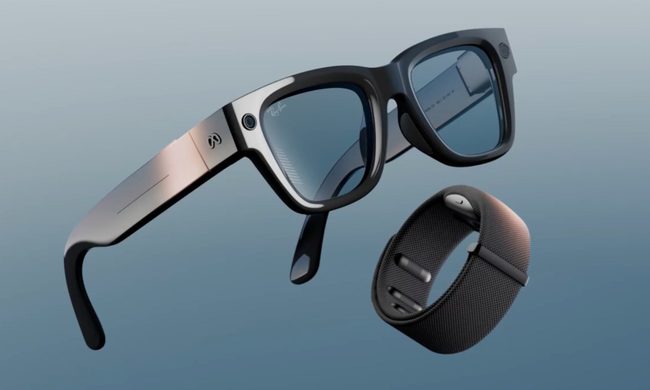
Meta Ray-Ban Display and EMG Band.

Six months into its life, the Meta Ray-Ban Display is starting to look less like an experiment, thanks to what is arguably the most significant update Meta has ever pushed for the device. 

The headline feature is Neural Handwriting, which is now available to every Ray-Ban Display owner, having spent its early months in limited access for Messenger and WhatsApp users. 

Read more
WhatsApp is testing disappearing messages that wait for you to actually read them before vanishing
WhatsApp's new After Reading timer deletes messages only after the recipient reads them.
whatsapp-disappearing-messages-after-reading-timer

WhatsApp has always let you send messages that vanish on a timer, but the clock starts the moment you hit send, not when the other person actually read it. That means a message could sit unread for hours and still disappear before anyone sees it.

This is why WhatsApp is testing a new feature called 'After Reading' timer for disappearing messages, spotted in the latest iOS beta update by WABetaInfo.

Read more