Google’s new Gemini Intelligence platform is quickly becoming one of the biggest talking points in the Android world right now. After being highlighted during this week’s Android Show, the feature is already being tied to several upcoming premium foldables and flagship phones. But there’s a catch: not every high-end Android device will be able to run it. And surprisingly, even some of Google and Samsung’s latest foldables may miss out.
According to Google’s requirements, Gemini Intelligence isn’t just another software update you can casually push to older devices. The company appears to be building this around a much stricter hardware and long-term software support system. To qualify, a phone needs a flagship-grade chipset, at least 12GB RAM, support for AI Core, and Gemini Nano v3 or newer. That immediately creates a problem for several current-generation phones.
Gemini Intelligence needs more than just a powerful chip
Google’s requirements go beyond raw performance. Devices also need to promise at least 5 Android OS upgrades and 6 years of security patches, with quality standards tied to system stability and crash rates.
While many flagship phones already offer long software support cycles, the Gemini Nano version requirement seems to be the real barrier here. Reports suggest devices like the Pixel 9 series and Samsung’s Galaxy Z Fold 7 are still running Gemini Nano v2, meaning they don’t currently qualify for Gemini Intelligence support.

The feature list is expected to expand significantly across 2026 Android flagships, including the Pixel 10 series and the Oppo Find X9 lineup, which are likely being designed with these AI requirements in mind from the start.
That said, the situation is still slightly unclear. Google’s documentation specifically mentions support for Gemini Nano’s Prompt API rather than directly confirming whether older devices are permanently excluded. So there’s still a possibility that some phones could gain compatibility later through future Android updates or backend upgrades.
The RAM requirement could reveal Google’s bigger AI plans
One of the more interesting details here is Google’s insistence on a minimum of 12GB of RAM for Gemini Intelligence. That’s a fairly aggressive requirement, especially given that some leaks have suggested the base Pixel 11 might actually ship with only 8GB of RAM. If these new AI requirements are accurate, those earlier leaks may not tell the full story.
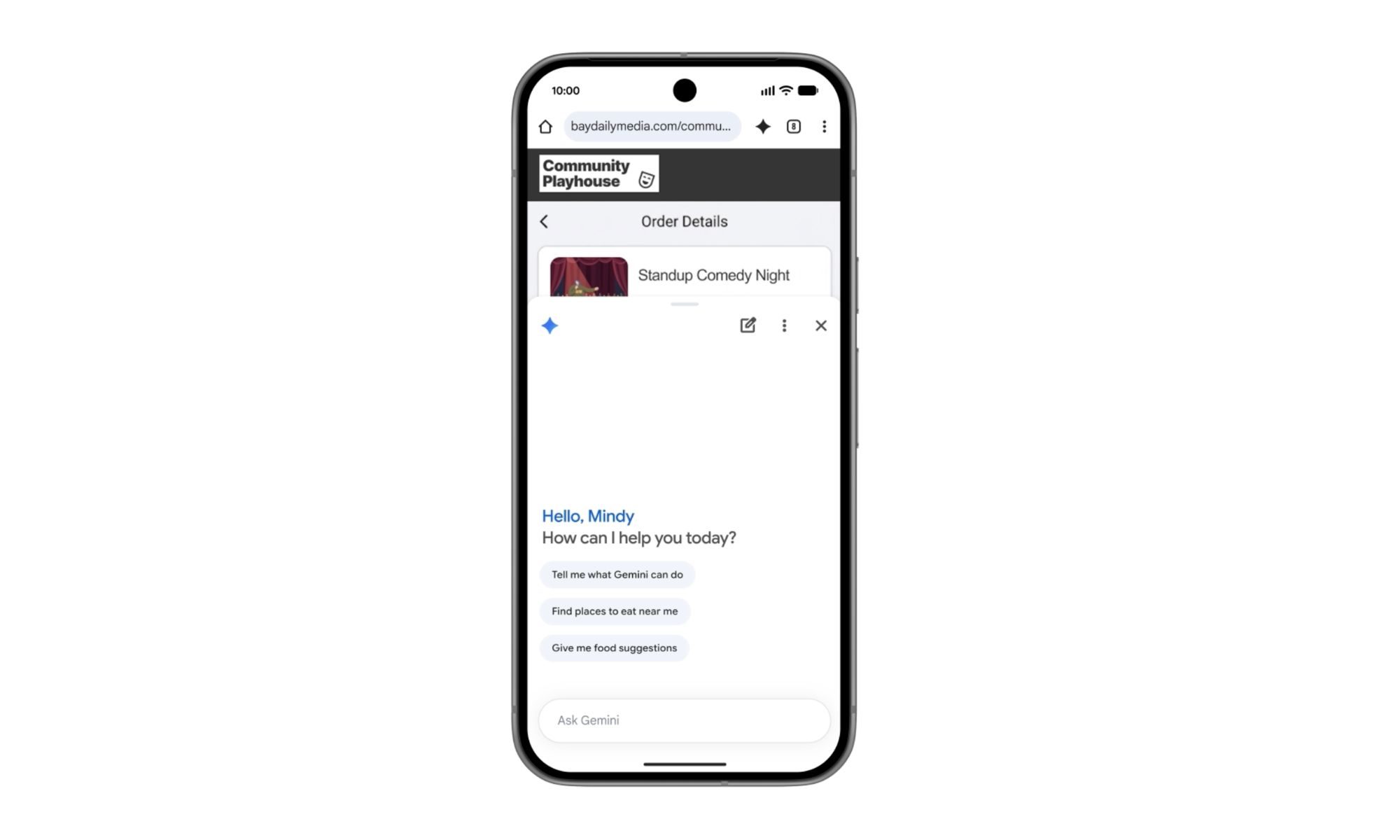
It would be odd for Google to heavily market advanced on-device AI features while simultaneously lowering memory capacity on its own flagship phones. For now, Google says Gemini Intelligence will first arrive on Pixel and Samsung Galaxy devices later this year.