1. Home
  2. Phones
  3. Mobile
  4. Photography
  5. News

Tired of the same selfies? Turn your face into an emoji with this new AI-powered app

Add as a preferred source on Google

Sure, AI can turn photos into classical paintings, but one new app is using machine learning to model selfies after modern art: Emojis.

Memoji, a new app by the developer behind the selfie editor Facetune, turns selfies (or portraits of celebrities, the Statue of Liberty, or even the Mona Lisa) into the exaggerated expressions of emojis.

Recommended Videos

Launching today in the App Store, Memoji by Facetune uses the intelligent portrait editing tools in the popular Facetune 2.0 app to instead mimic an emoji. From the big eyes and crocodile tear of the crying emoji to the wrinkled forehead and nostril steam of the angry emoji, Memoji brings the exaggerated facial expressions of emojis to actual people. The whimsical edits can then be saved as photos, GIFs, or videos to share on social media or send to friends.

Since the app uses facial feature recognition, it works with any photo of a person — or something with facial features like a statue or painting. Along with emotion-based emoji edits, the app can also turn you into a unicorn (okay, not really, but it can turn your photo into a unicorn).

“Emojis have become a part of everyday conversation and guide the way we chat and share our emotions — but the overall reach and impact of this important technology is limited,” said Nir Pochter, CMO of Lightricks, the company behind the apps. “As emoji connoisseurs, we knew that the next level of societal emojification was letting it guide the photo editing process from the very start. People want more than to just send emojis, they want to be emojis. While the world is busy applying AI to silly ventures like autonomous vehicles and data analysis, we’re taking it to where the need is greatest,” he joked.

The software uses 3D facial modeling to recognize individual facial features then distorts them into the exaggerated emotion of the chosen emoji. The emotion in the original picture doesn’t matter since the software can turn smiles into emoji frowns too — which could be an unusual perk, Lightricks CEO Zeev Farbman suggests.

“I don’t smile in pictures,” Farbman said. “So when my girlfriend showed me a picture of me smiling in a photo we took on a hike, I was dumbfounded and scared. I’d spent years cultivating an image of Spartan focus and strength, and this one photo threatened to ruin decades of consistency. Thankfully, we had already developed Memoji by Facetune and I was able to instantly click on the frowny face emoji to bring order and decency back into my life.”

Memoji probably isn’t going to really lend any Spartan strength to selfies — but the new app certainly appears to use advanced artificial intelligence technology in a whimsical break from the norm. Memoji by Facetune is available for iOS in the App Store.

Hillary K. Grigonis
Hillary never planned on becoming a photographer—and then she was handed a camera at her first writing job and she's been…
I can’t live without iPhone shortcuts. These 7 are my favorites that you must try, too.
I've been using these 7 iPhone shortcuts for years, and they've completely changed how I use my phone.
iPhone showing shortcuts app

The iPhone Shortcuts app reminds me of Minecraft. It might be relatively easy to jump into, but it offers nearly limitless potential, allowing you to build anything you want. The same holds true for the Shortcuts app, and that endless possibilities are what many iPhone users might find intimidating. But you don't have to.

If you are new to iPhone shortcuts, think of them as little automated helpers. You can build them yourself or find ones that others have built and use them. And that’s the beauty of shortcuts. If you don’t want to get your hands dirty, you can find shortcuts others have created and tailor them to your needs. 

Read more
Gemini Intelligence has strict requirements, and your phone may not qualify
Gemini Intelligence

Google’s new Gemini Intelligence platform is quickly becoming one of the biggest talking points in the Android world right now. After being highlighted during this week’s Android Show, the feature is already being tied to several upcoming premium foldables and flagship phones. But there’s a catch: not every high-end Android device will be able to run it. And surprisingly, even some of Google and Samsung’s latest foldables may miss out.

According to Google’s requirements, Gemini Intelligence isn’t just another software update you can casually push to older devices. The company appears to be building this around a much stricter hardware and long-term software support system. To qualify, a phone needs a flagship-grade chipset, at least 12GB RAM, support for AI Core, and Gemini Nano v3 or newer. That immediately creates a problem for several current-generation phones.

Read more
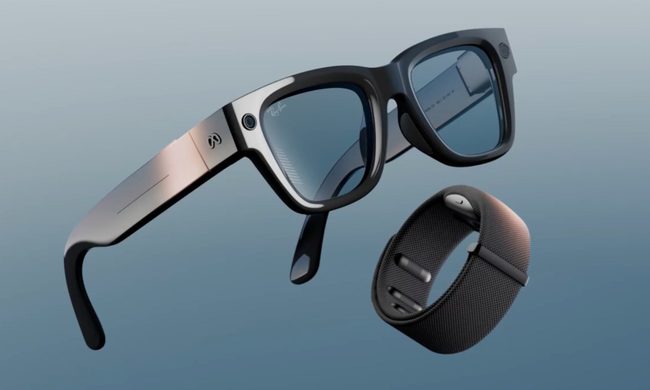
Meta’s Ray-Ban Display now types messages from your finger movements
Neural Handwriting is a really cool feature, but Meta opening the Ray-Ban Display to developers is the quiet announcement that turns a clever wearable into a platform with immense possibilities.
Meta Ray-Ban Display and EMG Band.

Six months into its life, the Meta Ray-Ban Display is starting to look less like an experiment, thanks to what is arguably the most significant update Meta has ever pushed for the device. 

The headline feature is Neural Handwriting, which is now available to every Ray-Ban Display owner, having spent its early months in limited access for Messenger and WhatsApp users. 

Read more